

Living Room Furniture UK: How to Choose Pieces That Work Together
The key to a living room that feels considered rather than thrown together is buying furniture in the right order, at the right scale, and with a clear idea of how each piece relates to the next. In our current collection of over 2,500 living room pieces from boutique UK retailers, we see the same pattern: the rooms that work best start with a plan, not a sofa.
This guide walks you through choosing living room furniture category by category — from seating and tables to storage, lighting, and finishing touches — with real price ranges and practical sizing advice at every step.
Start With the Sofa: It Sets the Tone for Everything Else
Your sofa is the largest piece in the room and the one that anchors layout, colour palette, and style direction. Choose it first, then build outward. Across our catalogue of 185+ sofas from UK retailers, prices range from around £250 for a compact two-seater to £5,995 for a premium corner configuration.
Size matters more than style
Measure your room before browsing. A three-seater sofa typically runs 200-230cm wide and needs at least 45cm of clear space on each side for walkways. In rooms under 18 square metres, a two-seater (140-170cm wide) paired with an armchair often works better than a single large sofa.
What to look for in construction
Hardwood or kiln-dried timber frames last longest. Pocket-sprung seat cushions hold their shape better than foam alone — in our collection, 21 sofas feature pocket-spring construction. Removable, washable covers are worth prioritising if you have children or pets.
Fabric and material choices
The most popular sofa materials in our collection are performance fabrics, linen, and velvet. Performance fabrics resist staining and suit family homes. Linen softens beautifully with age but creases easily. Velvet adds richness but shows wear in high-traffic spots — consider it for a statement piece rather than everyday lounging.
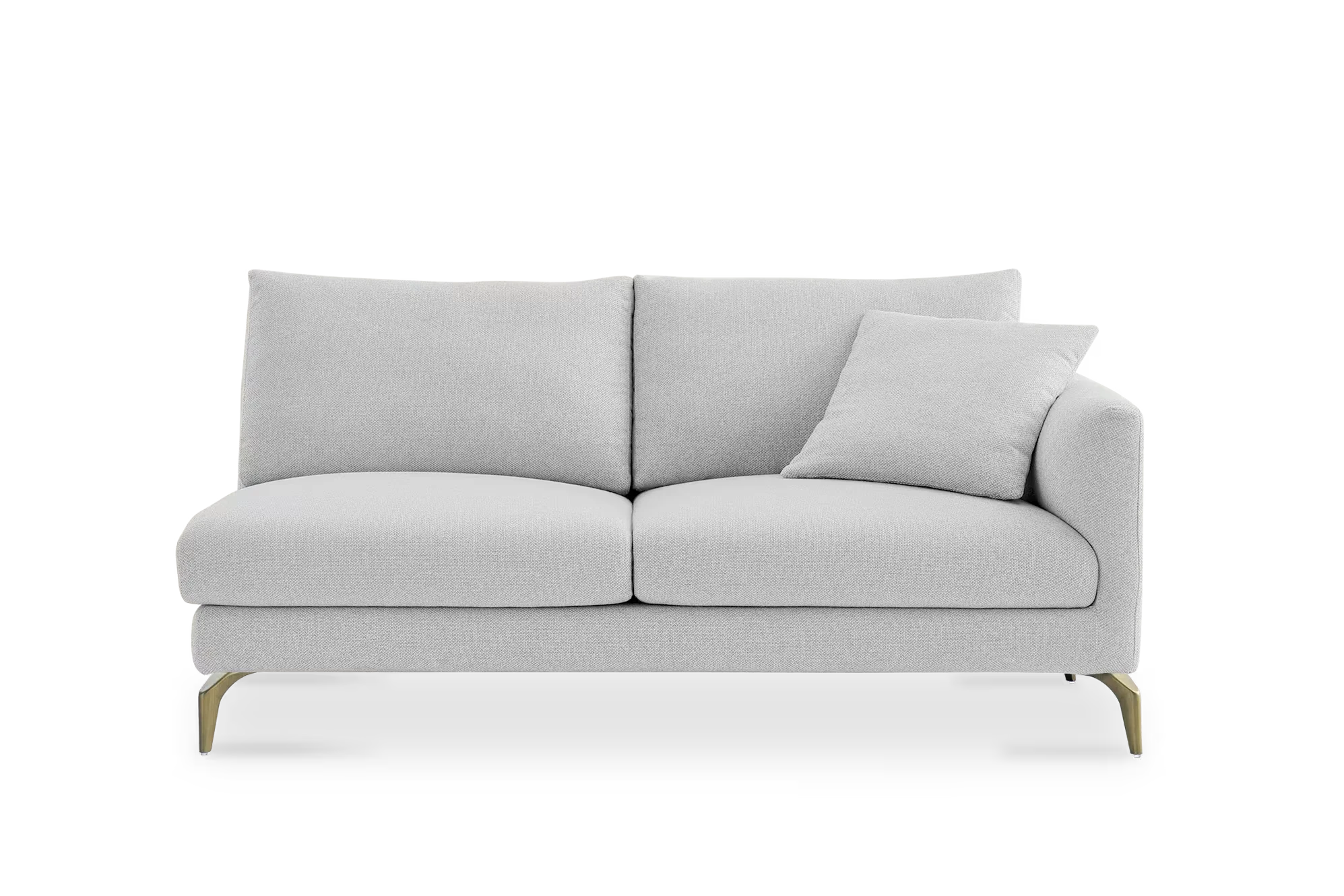
For a well-proportioned sofa that suits most living rooms, the Castlery Lena in performance fabric offers clean mid-century lines and a practical greige finish at a reasonable price point.
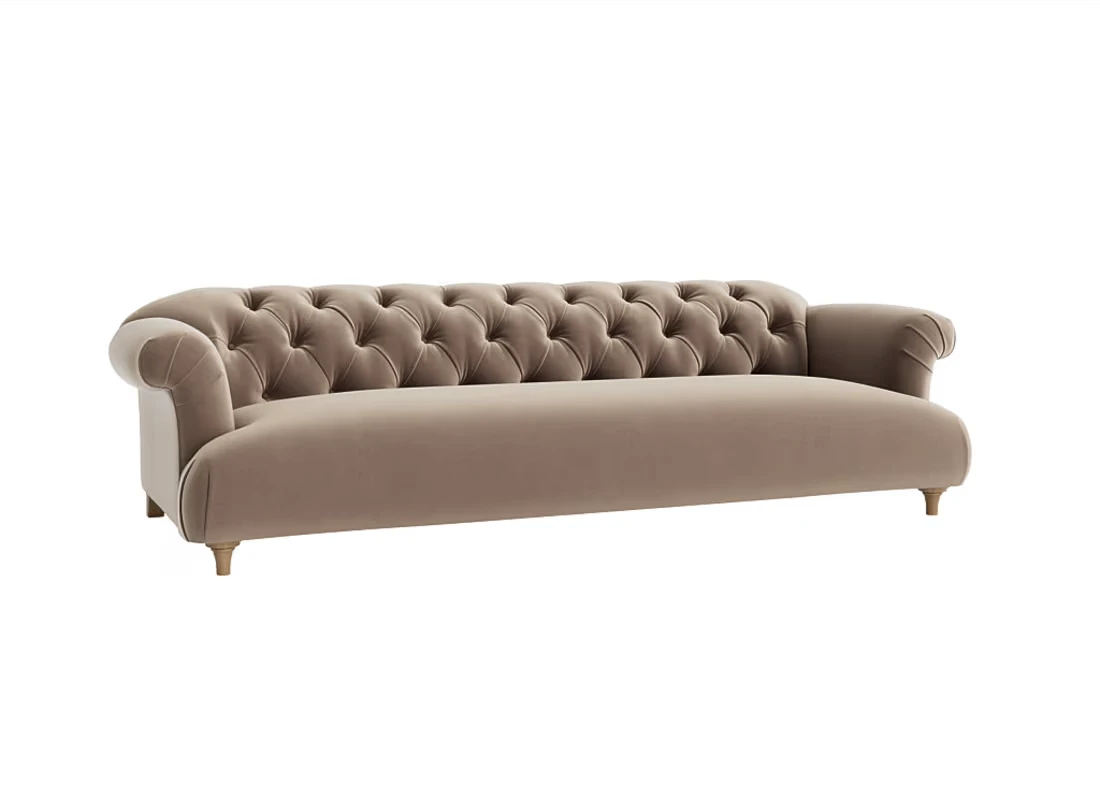
If you want something with more character, the Loaf Dixie in clever velvet is generous in scale and deeply comfortable — a good choice for rooms where the sofa is the main event.
We have detailed comparisons in our guides to velvet sofas, corner sofas, modular sofas, and sofa beds.
Coffee Tables and Side Tables: The Pieces That Tie a Room Together
A coffee table defines the centre of your seating arrangement, while side tables provide practical landing spots for drinks, books, and lamps. Together, they account for over 200 products in our living room collection, with coffee tables starting from £223 and side tables from £99.
Coffee table sizing rules
Your coffee table should sit roughly the same height as your sofa seat cushions (typically 40-50cm) and be about two-thirds the length of the sofa. Leave 40-45cm between the table edge and sofa front for comfortable leg room.
Room Size | Sofa Length | Recommended Coffee Table |
|---|---|---|
Small (under 15m²) | 140-170cm | Round, 60-80cm diameter |
Medium (15-22m²) | 190-220cm | Rectangular, 100-120cm |
Large (22m²+) | 220cm+ | Rectangular, 120-140cm, or nesting set |
Material considerations
Oak is the most common coffee table material across UK retailers in our collection, followed by glass and metal. Solid oak develops a warm patina over time and hides minor scratches well. Glass opens up small rooms visually but shows fingerprints. Marble looks striking but requires coasters and regular sealing.
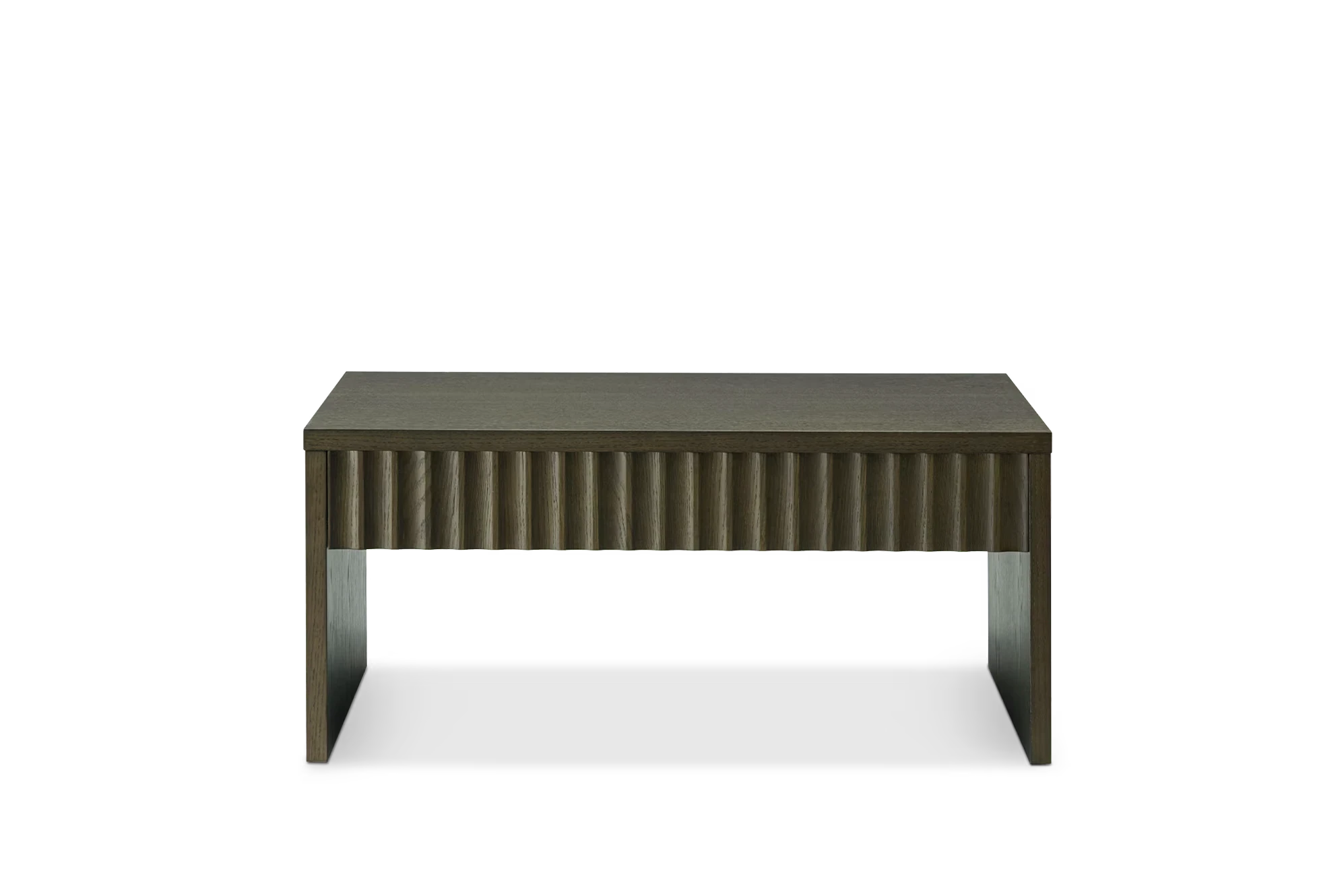
The Castlery Sloane coffee table with built-in drawers solves a common problem — somewhere to stash remotes, coasters, and magazines without visible clutter.
For more options, see our guides to coffee tables and side tables.
Armchairs and Accent Seating: Adding Character Without Crowding
An armchair gives your living room a second seating zone and introduces visual variety. In our current catalogue, we list 105+ armchairs from UK retailers, priced from £129 to £1,845. The sweet spot for a well-made fabric armchair sits between £500 and £900.
How to choose the right armchair
The golden rule: your armchair should be roughly two-thirds the visual weight of your sofa. A delicate metal-frame chair will disappear next to a deep, cushioned sectional, while an oversized wingback can overwhelm a compact two-seater.
Consider what the chair is for. A reading chair needs a high back and good lumbar support. A conversation chair can be lower and lighter. An occasional chair — placed in a corner or by a window — can be more decorative.
Style coordination
You do not need matching furniture. In fact, a room where every piece is from the same range often feels flat. Instead, pick one or two "through lines" — shared materials, a repeated colour, or a consistent leg finish — that connect pieces without making them identical. Our materials guide covers this approach in detail.
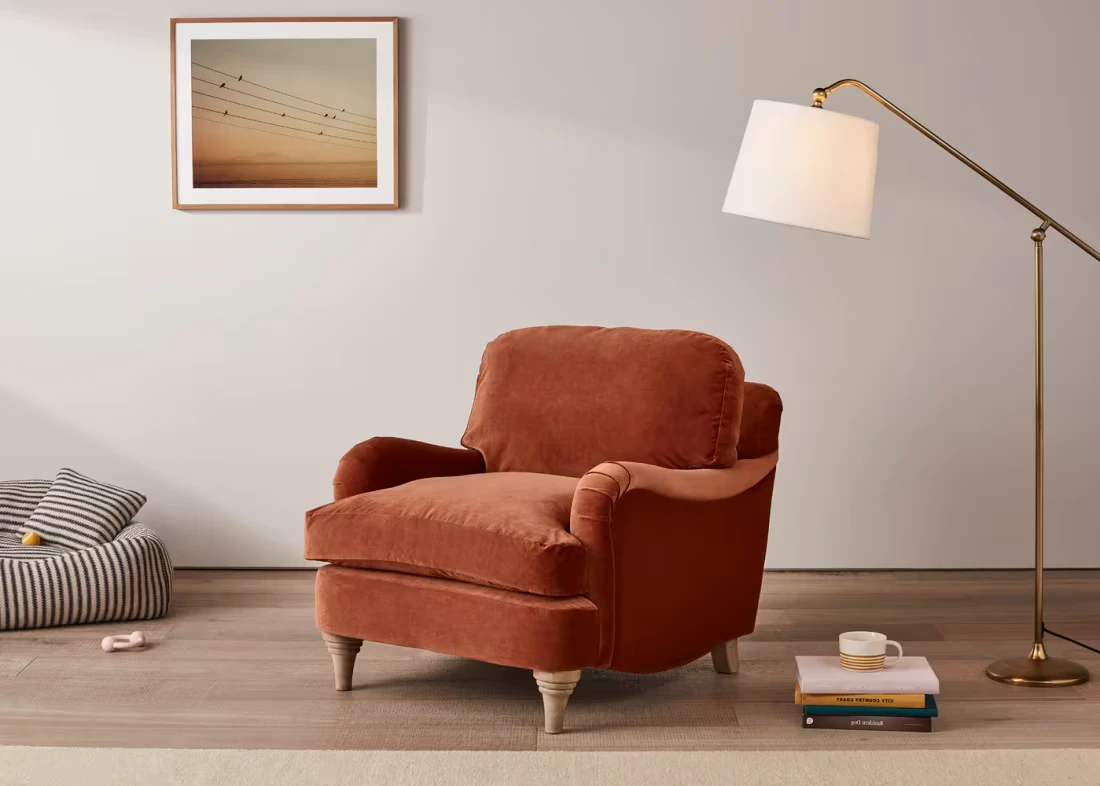
For a comfortable everyday armchair with timeless proportions, the Loaf Jonesy strikes a good balance between support and softness.
Browse our full armchair guide for more recommendations across styles and budgets.
Storage: Sideboards, Shelving, and TV Stands
Every living room needs somewhere to put the things you use daily but do not want to see — remotes, chargers, board games, paperwork. In our current collection, we list 300+ storage pieces for living rooms, with sideboards from £649, bookcases from £499, and freestanding shelving from £59.
Sideboards and media units
A sideboard is the most versatile storage piece in a living room. It holds tableware, books, board games, and tech while providing a surface for lamps, plants, or art. Standard sideboard depth is 40-45cm — deep enough to be useful, shallow enough not to dominate a room.
At time of writing, mid-century and Scandinavian styles dominate our sideboard collection, with oak and walnut the most popular wood choices. For a sideboard with genuine character, the Konk Teal Sideboard in solid oak combines clean lines with a bold colour accent.
![Teal Sideboard [Oak]](https://zpeqbrudpqjbpfhmntcb.supabase.co/storage/v1/object/public/product-images/konk-furniture/konk-furniture-tealsidebo-mjbz59ro/original/6f585769f41c.webp)
Bookcases and shelving
Open shelving works well for displaying books, plants, and decorative objects. Closed storage (cabinets with doors) hides the less photogenic necessities. The most practical approach combines both — a bookcase with a mix of open and closed sections.
In our collection, bookcases range from £499 to £3,275, while freestanding shelving starts from £59. Wall-mounted shelves save floor space in smaller rooms but need proper fixings — always check your wall type before buying.
TV stands
If your television is the focal point of the room, a TV stand or media unit needs to be at least as wide as the screen. Standard viewing height places the centre of the screen at seated eye level (roughly 100-110cm from the floor). Our TV stand guide has a full breakdown of sizes.
For more detailed recommendations, see our guides to sideboards, bookcases, and living room storage ideas.
Rugs: Grounding Your Layout and Adding Warmth
A rug defines the seating area, adds warmth underfoot, and introduces colour or pattern into a neutral scheme. With 440+ rugs in our collection — from £12.50 to £4,295 — there is significant range in both material and price.
Sizing your rug correctly
The most common rug mistake is buying too small. Your rug should be large enough that all front legs of your sofa and armchairs sit on it (or all legs, if the room allows). This anchors the furniture grouping and makes the room feel larger.
Seating Arrangement | Minimum Rug Size |
|---|---|
2-seater sofa + armchair | 160 x 230cm |
3-seater sofa + 2 armchairs | 200 x 290cm |
Large sectional/corner sofa | 240 x 340cm |
Material guide
Wool rugs are the most durable and naturally stain-resistant option for living rooms. In our current collection, wool is the most popular rug material, followed by cotton and recycled materials. Synthetic rugs (polypropylene, recycled polyester) cost less and clean easily but do not age as gracefully. Jute and sisal add texture at a low price but feel rough underfoot.
Our rug size guide and living room rug guide cover sizing, placement, and material choices in full detail.
Lighting: Layering Light for Atmosphere and Function
Good living room lighting uses three layers: ambient (overhead or general), task (reading and working), and accent (mood and display). At time of writing, we list 220+ lighting products, with table lamps from £37 and floor lamps from £157.
Table lamps
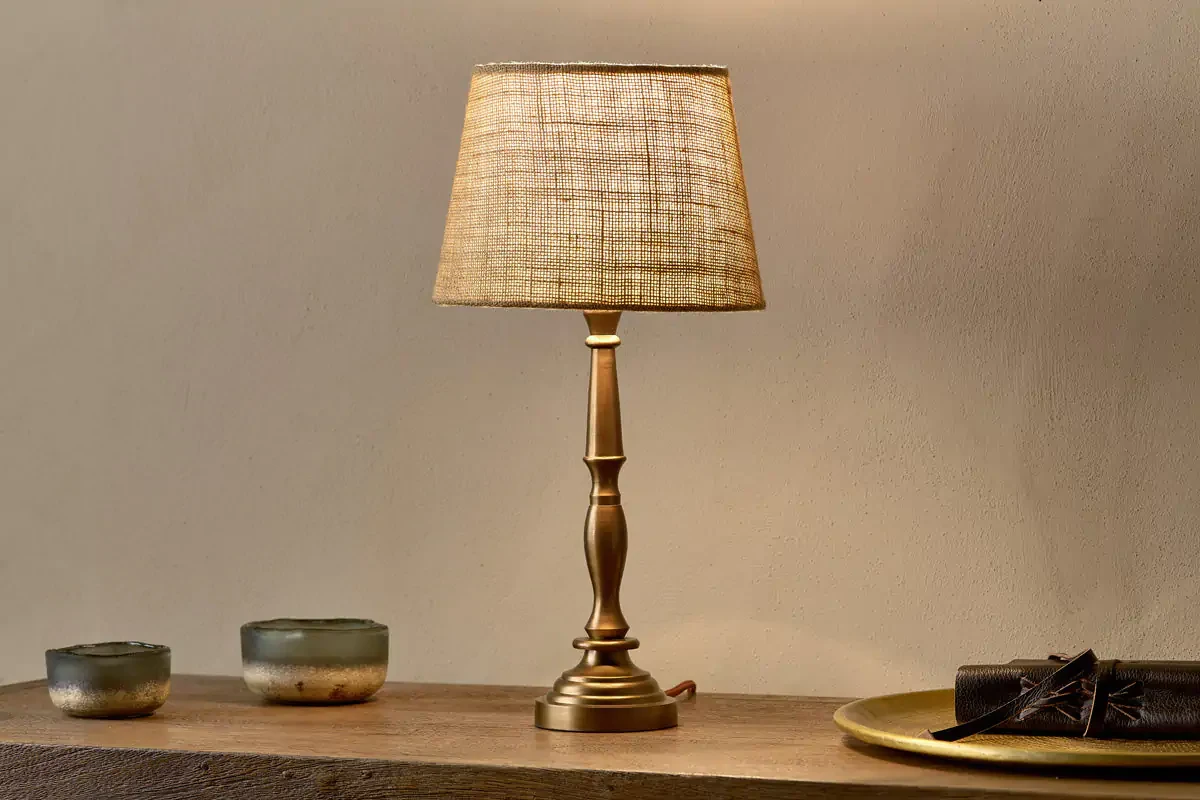
Place table lamps at seated eye level on side tables or console tables. The bottom of the shade should sit roughly at ear height when you are seated — this prevents glare. Across our collection, brass and ceramic are the most popular table lamp finishes.
The Nkuku Lele in solid brass is a refined choice that suits both modern and traditional rooms — warm metal with a simple, considered form.
Floor lamps
A floor lamp beside an armchair creates an instant reading nook. Arc floor lamps work well behind sofas, casting light downward over the seating area. Avoid placing floor lamps where they will be knocked — behind furniture or in corners is safest.
Overhead lighting
Pendant lights and chandeliers set the room's visual tone. They work best on a dimmer switch so you can adjust brightness through the day. Our pendant light guide, floor lamp guide, and table lamp guide have detailed recommendations.
Putting It All Together: A Budget Framework
The biggest question is how to allocate your budget across categories. A useful rule of thumb: spend roughly 40% on seating (sofa and armchairs), 20% on tables, 15% on storage, 15% on lighting, and 10% on rugs and accessories.
Budget | Sofa | Coffee Table | Armchair | Rug | Storage | Lighting |
|---|---|---|---|---|---|---|
£3,000 | £1,200 | £300 | £500 | £150 | £450 | £400 |
£5,000 | £2,000 | £500 | £800 | £300 | £750 | £650 |
£10,000 | £3,500 | £900 | £1,500 | £800 | £1,800 | £1,500 |
Where to save and where to spend
Spend more on seating — you use it daily and poor quality shows quickly. A well-made sofa lasts 15-20 years; a cheap one sags within three. Tables and storage are good places to invest in solid wood, which holds its value and can be refinished. Lighting and accessories are safer places to experiment with trends, since they are easier and cheaper to swap.
Buy in order, not all at once
Resist the urge to furnish a room in one weekend. Start with the sofa, live with it for a few weeks, then add tables and storage. Lighting and rugs come last — they are easier to choose once you can see how the room feels. Our guide to what furniture to buy first explains this approach in detail.
The best living rooms are not the ones with the most expensive furniture — they are the ones where every piece earns its place. Start with a plan, invest in seating, and let the rest follow.
Browse Living Room Furniture on MeetFelix
MeetFelix brings together the best boutique furniture from across the UK, so you can compare styles and prices in one place. Browse sofas, explore mid-century furniture, discover velvet armchairs, or search all living room furniture to find pieces that work for your space and budget.
Frequently Asked Questions
What furniture do you need for a living room?
At minimum, a living room needs a sofa, a coffee table, and a source of light. Beyond that, add an armchair for a second seating zone, a rug to anchor the layout, side tables for practical surfaces, and storage (a sideboard, bookcase, or shelving) for everyday items. Build gradually rather than buying everything at once — it is easier to make good choices when you can see how each piece fits.
How much should I spend on living room furniture?
A fully furnished living room in the UK typically costs between £3,000 and £10,000, depending on quality and where you shop. The sofa accounts for the largest single expense — expect to spend £800 to £2,500 for something well-made that lasts. Boutique and mid-range retailers often offer better construction than high-street alternatives at a similar price point.
How do I make my living room furniture look coordinated?
Coordination comes from shared visual threads, not matching sets. Pick one or two connecting elements — a wood tone, a metal finish, a colour family — and repeat them across different pieces. For example, oak legs on both your sofa and coffee table, or brass accents on your lamp and side table hardware. Mixing textures (linen, wool, wood, metal) within a consistent palette creates depth without chaos.
What size rug do I need for my living room?
The most common mistake is buying too small. Your rug should be large enough that the front legs of all seating pieces sit on it — typically 160 x 230cm for a compact arrangement or 200 x 290cm for a standard three-seater-and-armchairs layout. Leave 30-60cm of bare floor between the rug edge and the walls for a balanced look.
Is it better to buy a furniture set or individual pieces?
Individual pieces almost always result in a more interesting room. Pre-matched sets can look uniform and flat, and they limit your options if you want to replace one item later. Buying separately lets you prioritise quality where it matters most (seating), find the right scale for each position, and develop a personal style over time. The trade-off is that it takes more thought — but guides like this one help.
What is the best layout for a small living room?
In rooms under 15 square metres, place the sofa against the longest wall and use a round coffee table (they take less visual space and have no sharp corners). A single armchair opposite the sofa creates a conversation zone without crowding. Choose furniture with exposed legs — it lets light pass underneath, making the room feel more open. Our guide to furniture for small spaces and making a small room look bigger has more specific advice.


