

Furniture for Small Spaces: The Complete UK Buying Guide
Key Takeaways:
Best sofa size for small rooms: 2-seater (150-180cm) with 45cm clearance around it
Top space-saving furniture types: Sofa beds, extendable tables, nesting tables, storage ottomans
Rule of thumb: Choose furniture with legs (shows floor, makes rooms feel bigger)
Trending: Modular sofas offer flexibility without committing to a fixed layout
Avoid: Oversized "just in case" furniture and dark heavy colours in small rooms
Living in a small UK home doesn't mean compromising on style or comfort. With the average UK home measuring just 76 square metres and many London flats coming in under 50 square metres, choosing the right furniture is essential for making your space feel open, functional, and welcoming.
This guide covers everything you need to know about furnishing small spaces: from choosing the right sofa size to finding multifunctional pieces that work harder for you. Whether you're in a studio flat, a compact Victorian terrace, or a modern new-build apartment, you'll find practical solutions backed by real measurements and smart design principles.
What Makes Furniture "Space-Saving"?
Space-saving furniture maximises functionality within a minimal footprint through three key strategies: multifunctionality (one piece serves multiple purposes), vertical orientation (using height instead of floor space), and flexibility (pieces that fold, stack, or nest when not in use).
The best space-saving furniture shares several characteristics:
Multifunctional design: A sofa bed provides seating and sleeping in one footprint. An ottoman with storage replaces both a coffee table and a blanket box.
Compact dimensions: Specifically designed for smaller rooms, with proportions that don't overwhelm the space.
Modular flexibility: Pieces that can be reconfigured as your needs change, or separated when you move.
Built-in storage: Hidden compartments that eliminate the need for additional storage furniture.
Visual lightness: Raised legs, glass surfaces, and slim profiles that create a sense of openness.
The goal isn't just fitting furniture into a small room; it's creating a space that feels larger than its actual dimensions.
How to Choose Furniture for a Small Living Room
What Size Sofa Fits a Small Living Room?
For a small living room (under 12 square metres), a 2-seater sofa measuring between 150cm and 180cm is ideal. This allows for the necessary 45cm clearance around the furniture for comfortable movement, while still providing comfortable seating for everyday use.
Room Size | Room Dimensions | Recommended Sofa | Max Sofa Width |
|---|---|---|---|
Under 10 sqm | 2.5m x 4m | Loveseat or small 2-seater | 150cm |
10-14 sqm | 3m x 4.5m | Standard 2-seater | 180cm |
14-18 sqm | 3.5m x 5m | Compact 3-seater | 200cm |
18-22 sqm | 4m x 5.5m | Standard 3-seater or small corner | 220cm |
UK-specific measurements to keep in mind:
Standard UK internal door width: 762mm (ensure your furniture can fit through)
Hallway clearance needed: minimum 900mm for furniture delivery
Living room TV viewing distance: 1.5-2.5x the screen diagonal (e.g., a 55" TV needs 2.1-3.5m viewing distance)
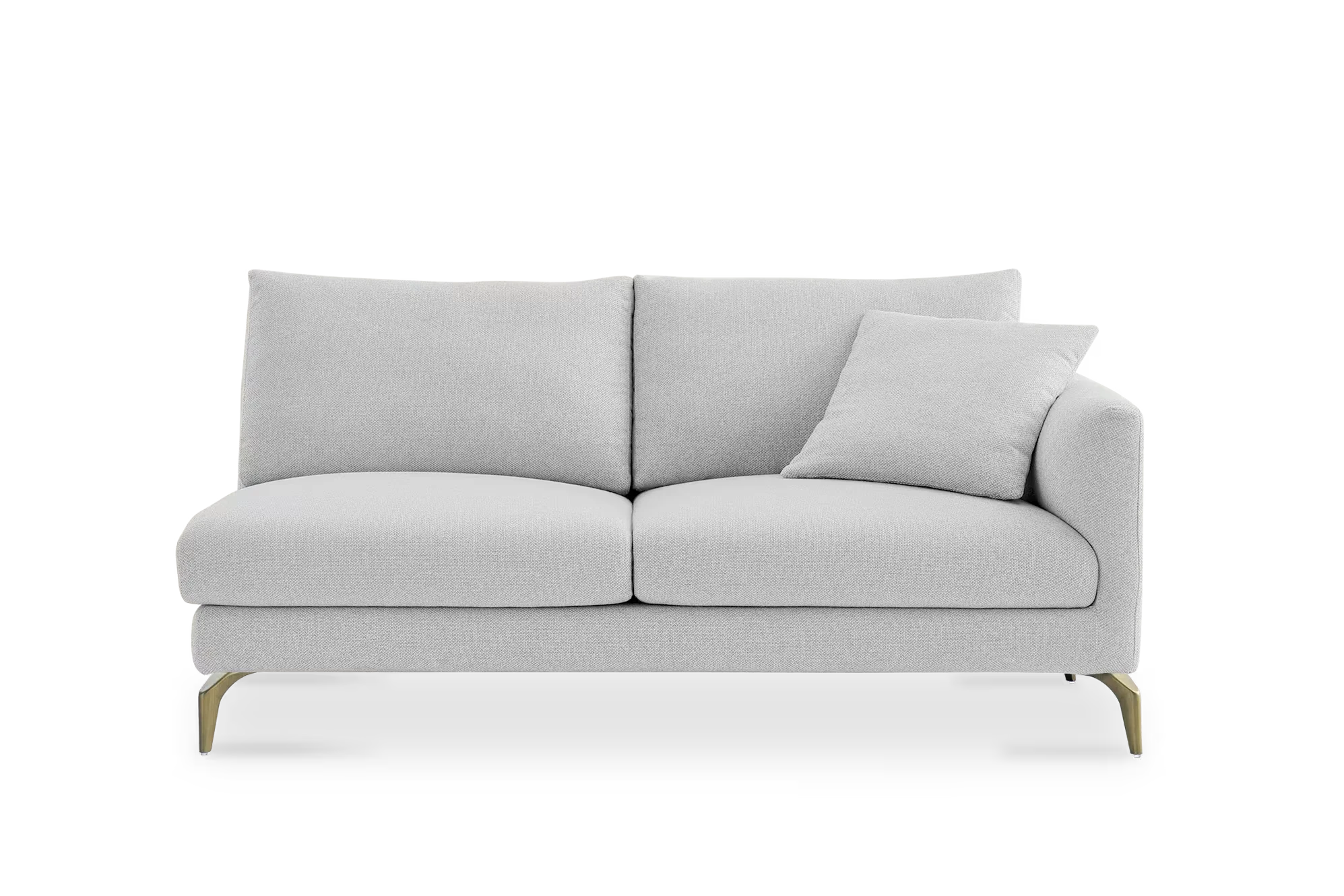
Why We Picked It:
Compact 2-seater design perfect for rooms under 14 sqm
Performance fabric resists stains and wear for small-space practicality
Clean, modern lines that won't overwhelm a compact living area
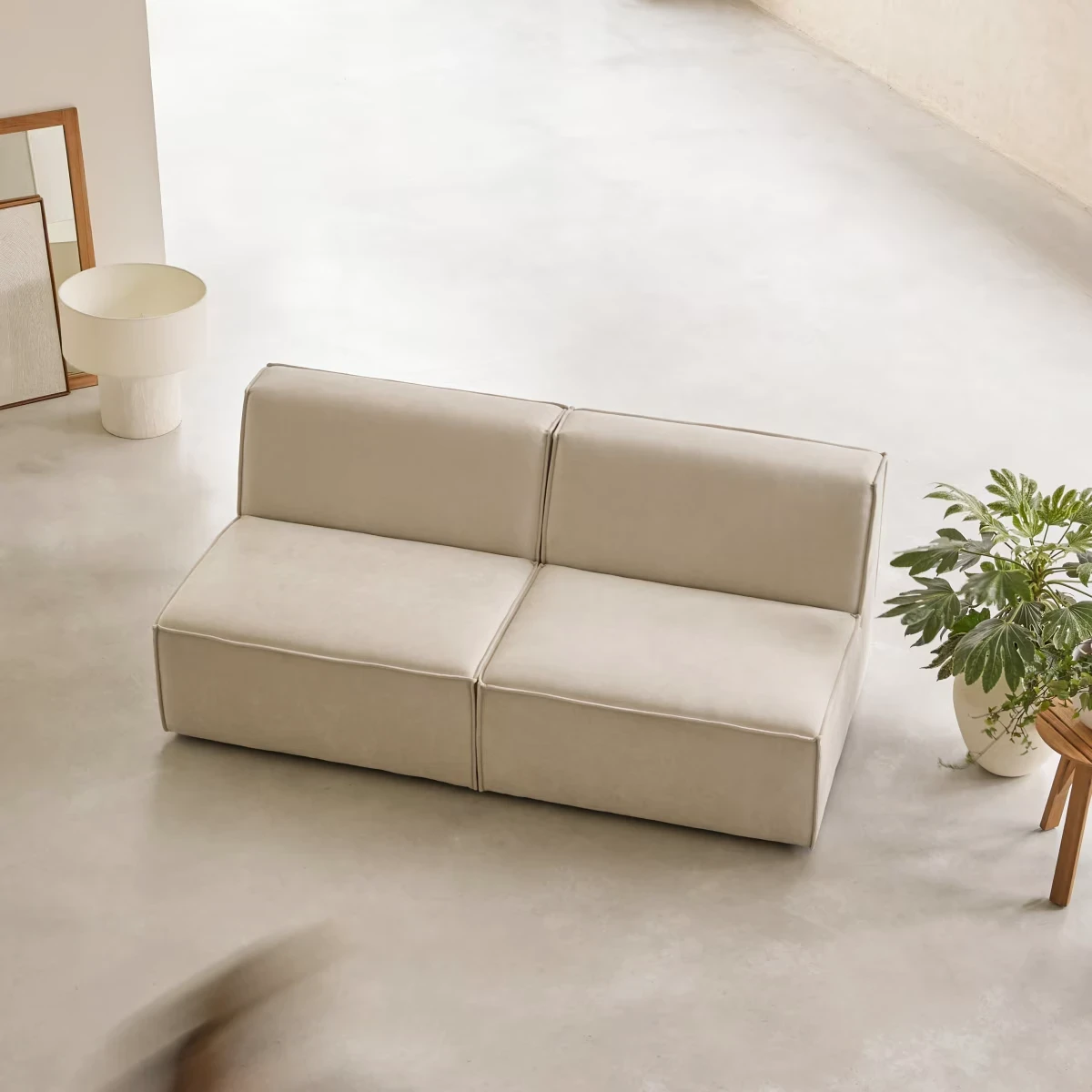
Why We Picked It:
Modular design allows reconfiguration as your space or needs change
Neutral beige fabric works with most colour schemes
Can be separated into individual seats for flexibility
Should I Choose a Corner Sofa or Straight Sofa?
For rooms narrower than 3.5 metres, a straight sofa offers more flexible placement and keeps traffic lanes clear. Corner sofas work better in open-plan spaces where they can define seating zones without blocking movement.
Corner sofas can actually be efficient in the right space. They maximise seating along two walls, which means you're not losing floor space to additional armchairs. But in a narrow room, a corner sofa can create an awkward funnel effect that makes the space feel cramped.
When to choose a straight sofa:
Room width is under 3.5m
You need flexibility to rearrange furniture
There's a through-route people use regularly
Windows or radiators limit wall placement options
When a corner sofa works:
Open-plan living/dining areas
L-shaped rooms
When you want to create a distinct lounge zone
Rooms wider than 4m with a clear corner to fill
What Colours Make a Small Room Look Bigger?
Light neutral colours (warm whites, soft greys, and beiges) make small rooms appear larger by reflecting natural light. Matching your sofa colour to your wall colour creates visual continuity that tricks the eye into perceiving more space.
This doesn't mean everything must be white. The key is reducing visual contrast between large surfaces. A charcoal sofa against a charcoal feature wall creates depth without visual fragmentation. Conversely, a dark sofa against white walls becomes a visual anchor that draws the eye and emphasises the room's boundaries.
Colour strategies that work:
Monochromatic scheme: Walls and large furniture in the same colour family
Light-to-dark gradient: Lighter walls, medium-toned sofa, darker floor
Strategic accent colours: Keep large pieces neutral, add colour through cushions and accessories
Reflective surfaces: Mirrors and glass to bounce light around the room
Best Space-Saving Furniture Types
Sofa Beds: The Ultimate Dual-Purpose Furniture
A quality sofa bed eliminates the need for a dedicated guest room, saving approximately 8-10 square metres of floor space. The best models use a click-clack or pull-out mechanism with a minimum 12cm mattress thickness for genuine comfort.
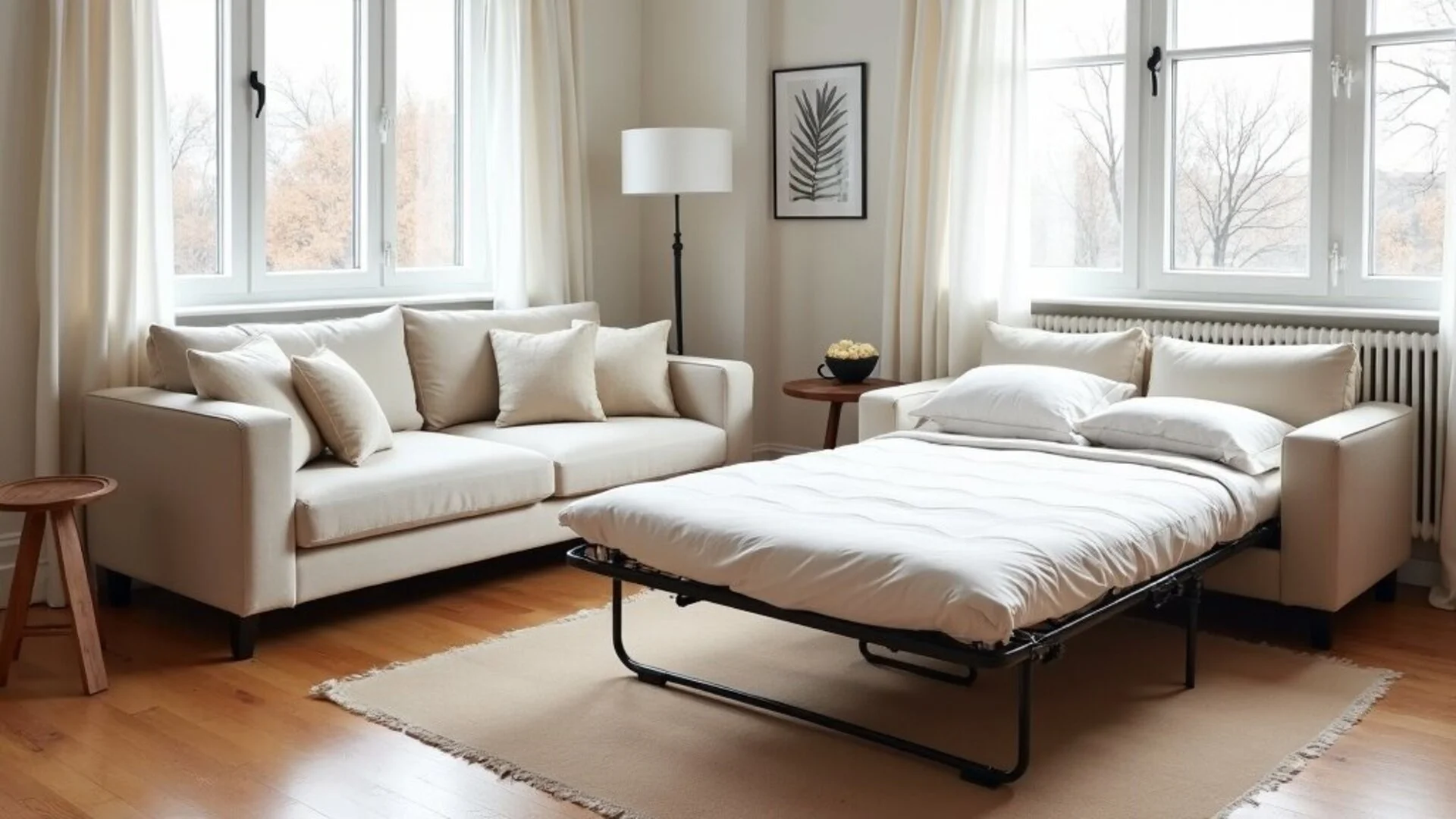
The days of uncomfortable, aesthetically compromised sofa beds are behind us. Modern designs prioritise both daily comfort as a sofa and occasional comfort as a bed, with mechanisms that don't require Olympic-level strength to operate.
Mechanism | Durability | Space Required | Comfort Rating | Best For |
|---|---|---|---|---|
Click-clack | Excellent | Minimal | Good | Daily use, studio flats |
Pull-out | Very good | Medium | Very good | Occasional guests |
Futon fold | Good | Minimal | Fair | Budget, casual use |
Hidden mattress | Very good | Large | Excellent | Frequent overnight guests |
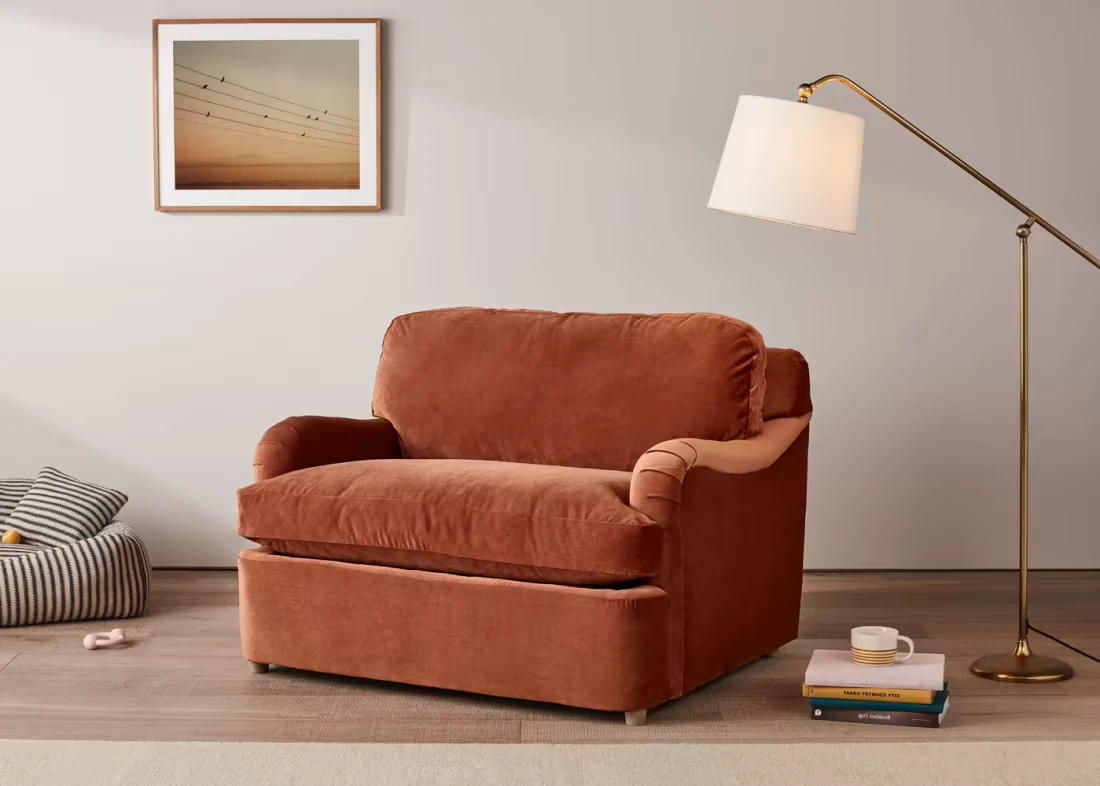
Why We Picked It:
Loveseat size perfect for studios and small living rooms
Easy-to-operate mechanism for frequent use
Stylish design that works as a primary seating piece, not just emergency guest accommodation
Extendable Dining Tables
An extendable dining table serves 2-4 people daily but expands to seat 6-8 guests, eliminating the need for a large permanent table that wastes space 90% of the time.
The extension mechanism matters as much as the size. Butterfly extensions (where the leaves are stored inside the table) are the most space-efficient. Drop-leaf tables work well against walls. Console-to-dining converters are ideal when you don't need a dining table daily.
Daily Use | Extended Use | Table Type | Closed Size | Extended Size |
|---|---|---|---|---|
2 people | 4 people | Drop-leaf | 80cm x 60cm | 80cm x 120cm |
4 people | 6 people | Butterfly extension | 120cm x 80cm | 180cm x 80cm |
4 people | 8 people | Console-to-dining | 45cm x 120cm | 180cm x 120cm |
Space per person at a dining table: 60cm width, 75cm depth minimum. This is the measurement restaurants use, and it ensures comfortable elbow room without feeling cramped.
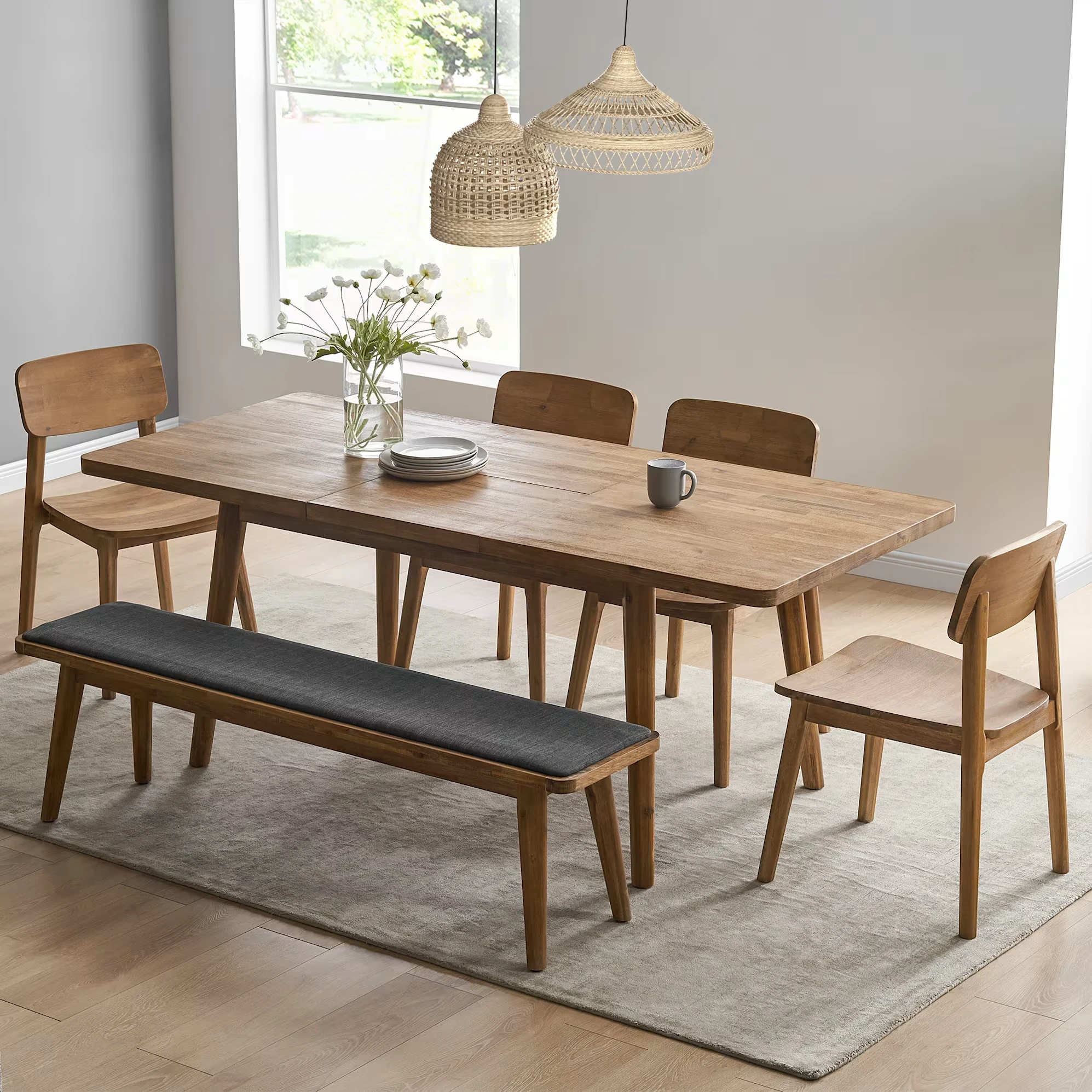
Why We Picked It:
Extends from 150cm to 200cm (seats 4-6 comfortably)
Clean Scandinavian design that works in compact spaces
Solid construction that feels substantial despite its compact footprint
Nesting Tables and Stackable Furniture
Nesting tables provide three surface options while occupying the footprint of one, making them ideal for small living rooms where occasional extra surfaces are needed for entertaining.
Unlike a single large coffee table that dominates the centre of a room, nesting tables can spread out when you have guests, then tuck back together when you need floor space. Use the largest as your main table and pull out smaller ones as needed for drinks, books, or laptops.
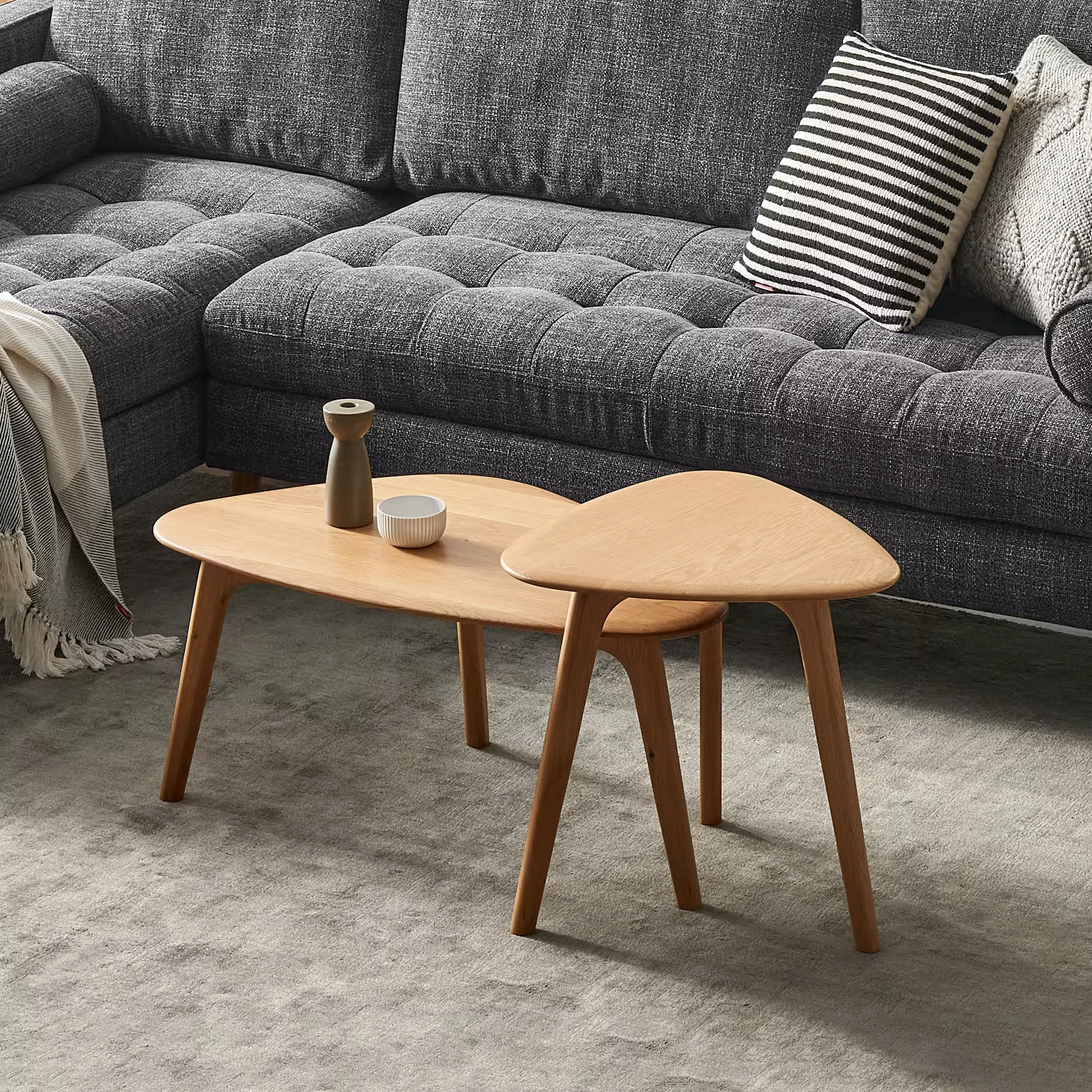
Why We Picked It:
Set of 2 nests compactly when not in use
Warm oak finish adds warmth without visual heaviness
Versatile sizes work as side tables, laptop stands, or occasional dining surfaces
Storage Ottomans and Benches
A storage ottoman replaces two pieces of furniture (coffee table plus storage box) while providing emergency seating, making it one of the highest-ROI purchases for small spaces.
The ideal storage ottoman is sturdy enough to sit on (look for weight ratings over 100kg), opens easily for frequent access, and has a flat top that works as a surface for drinks and books. Avoid overly soft tops that don't function well as tables.
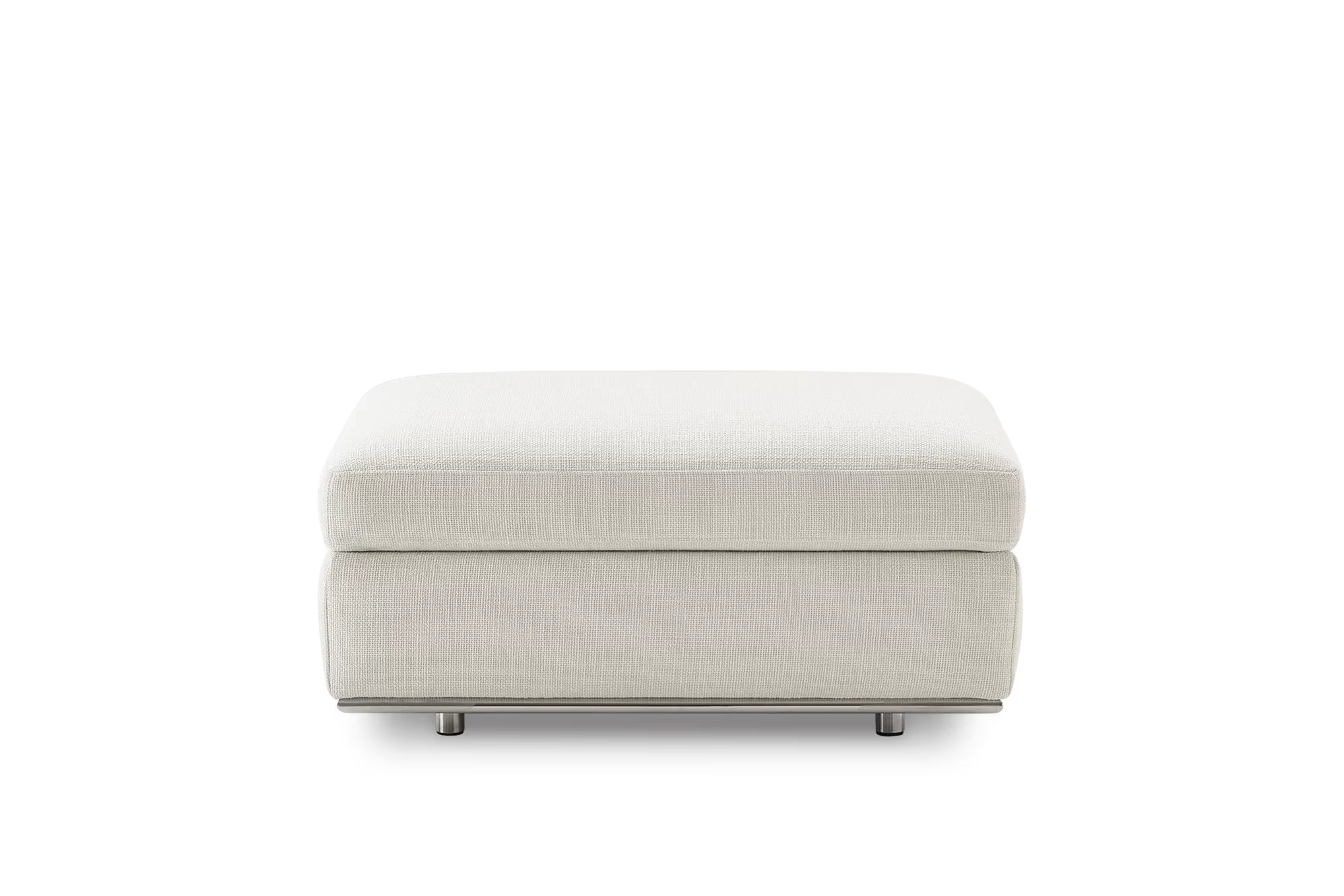
Why We Picked It:
Generous internal storage for blankets, books, or games
Weight-rated for sitting (doubles as extra seating when guests visit)
Clean rectangular shape works as a coffee table alternative
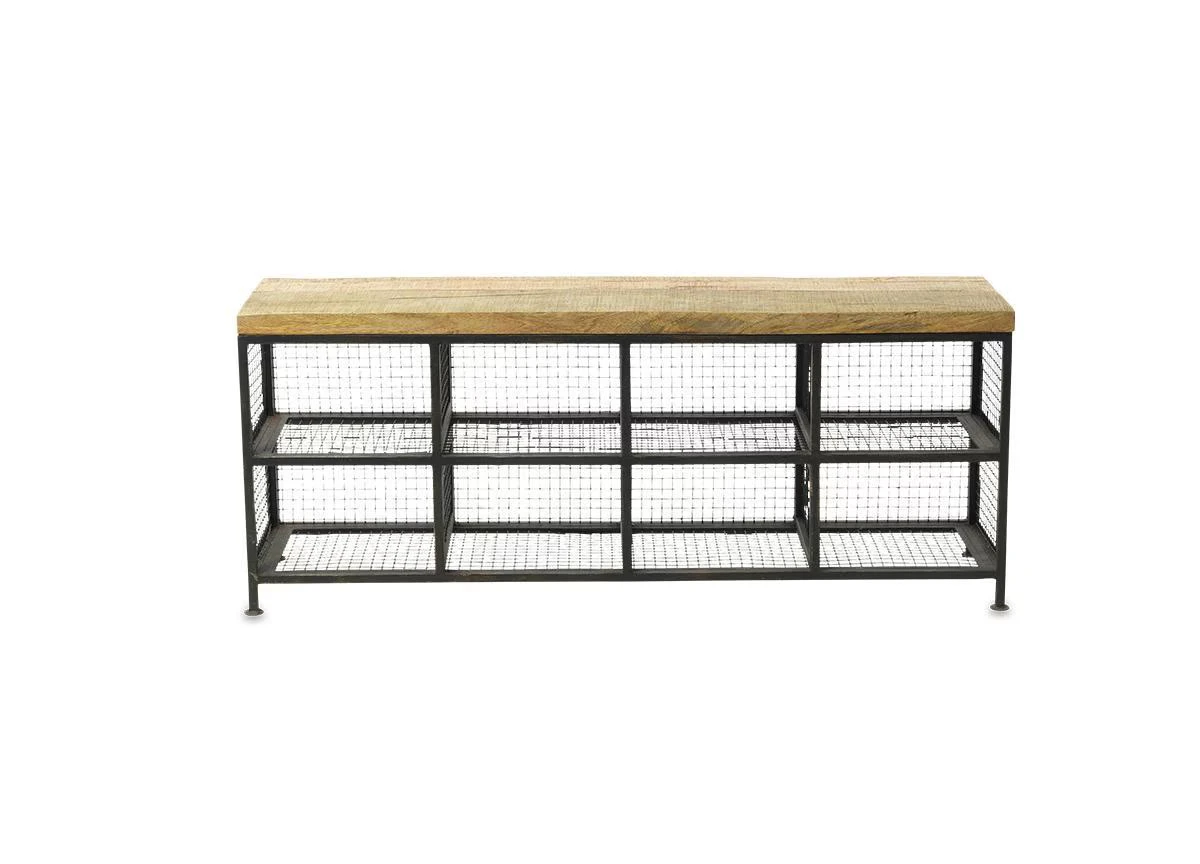
Why We Picked It:
Industrial design with hidden storage beneath the seat
Works in hallways, at the foot of beds, or as living room seating
Reclaimed wood aesthetic adds character to modern small spaces
Wall-Mounted and Floating Furniture
Wall-mounted furniture creates 100% floor clearance underneath, making rooms appear larger while simplifying cleaning. A floating desk saves approximately 0.5 square metres of floor space compared to a freestanding equivalent.
Installation considerations for UK homes:
Plasterboard walls (most modern UK homes): Require specialist fixings like hollow wall anchors or toggle bolts. Weight limits typically 10-25kg per fixing.
Solid brick walls (Victorian and Edwardian homes): Support heavier loads with standard rawl plugs and screws.
Dot-and-dab plasterboard (common in new builds): The most challenging. You may need to locate the adhesive dabs or use longer fixings that reach the masonry behind.
Always check your wall type before purchasing wall-mounted furniture. If in doubt, consult a professional for anything over 15kg.
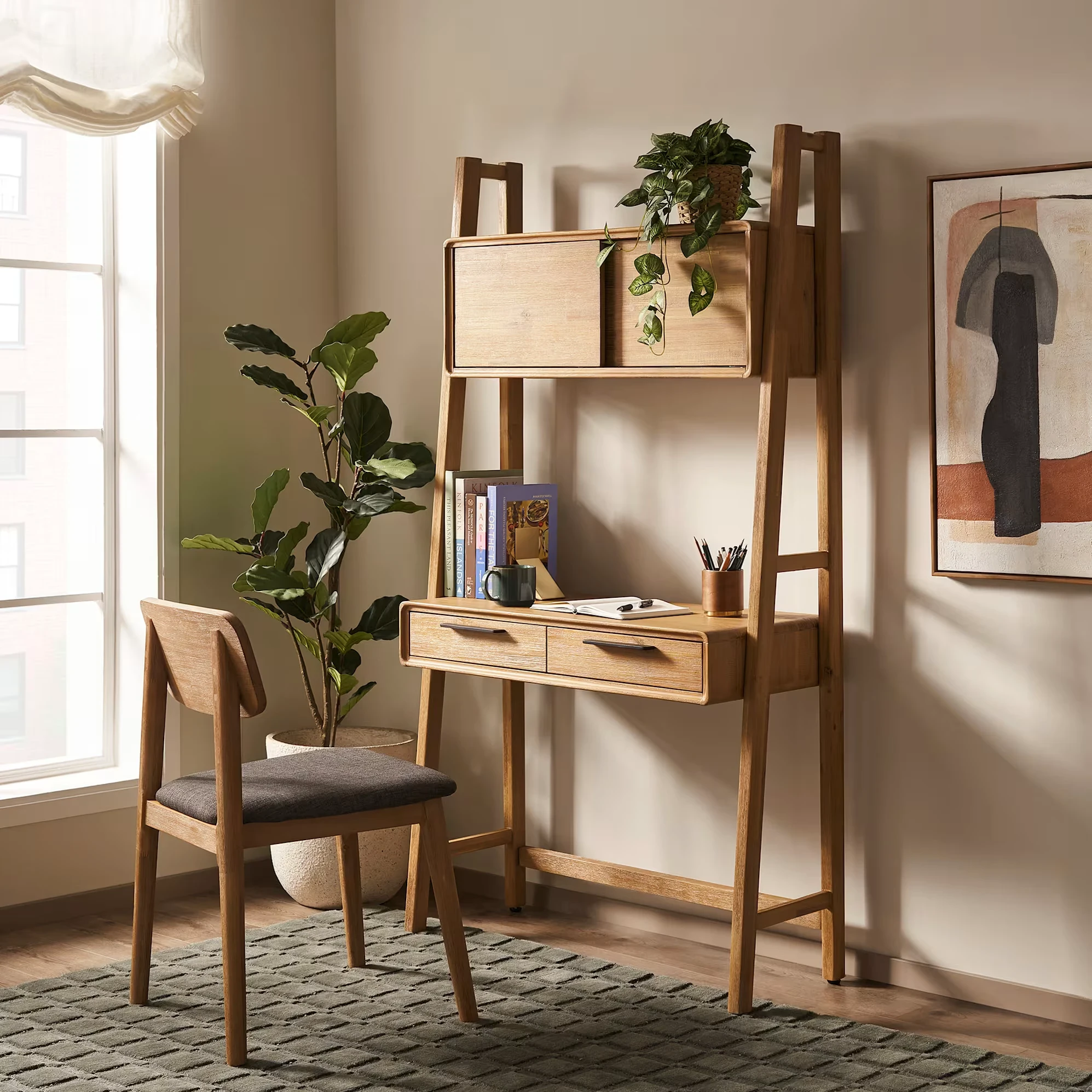
Why We Picked It:
Wall-mounted design frees up floor space entirely
Integrated cable management keeps tech clutter hidden
Solid oak construction supports monitors and laptops
Room-by-Room Small Space Solutions
Small Bedroom Furniture Ideas
For bedrooms under 10 square metres, an ottoman bed provides up to 1,000 litres of storage, equivalent to a chest of drawers, while occupying zero additional floor space.
Ottoman beds have transformed bedroom storage. The entire mattress lifts on gas struts (similar to a car boot), revealing a full-depth storage compartment. This is particularly valuable in UK bedrooms where built-in wardrobes often don't provide enough storage.
Bed Type | Storage Capacity | Access Type | Best For |
|---|---|---|---|
Ottoman lift | 800-1,200L | Full mattress lift | Seasonal items, bulky bedding |
Drawer divan | 400-600L | Side drawers | Daily access items |
Standard frame | 0L | Under-bed boxes only | Budget option |
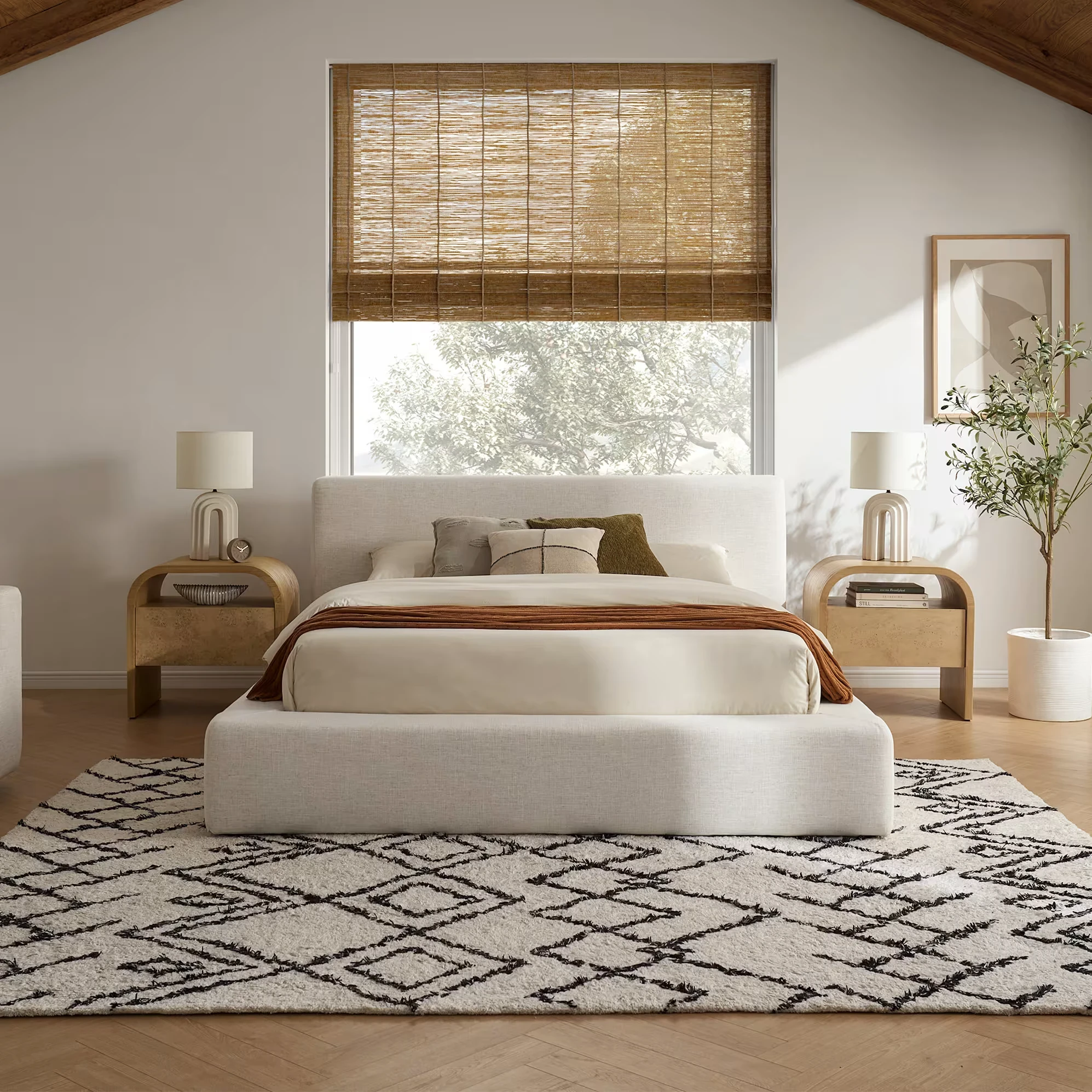
Why We Picked It:
Gas-lift mechanism makes access effortless
Deep storage compartment holds duvets, pillows, and seasonal clothing
Clean upholstered design that looks like a regular bed frame
Small Kitchen Furniture
A wall-mounted drop-leaf table provides dining space for 2-4 people while folding flat to just 10cm depth when not in use, essential for galley kitchens under 6 square metres.
In many UK flats, the kitchen is where space is tightest. If you don't have room for a permanent dining table, consider:
Wall-mounted fold-down tables: Attach to the wall and fold up when not in use
Bar-height tables: Narrower than standard tables, with storage underneath
Kitchen islands on wheels: Can be moved or tucked away when you need floor space
Pull-out counter extensions: Built into cabinetry for food prep or casual dining
Small Home Office Setup
A corner desk maximises unusable corner space, providing a full 120cm x 120cm work surface while occupying only 0.7 square metres of effective floor space.
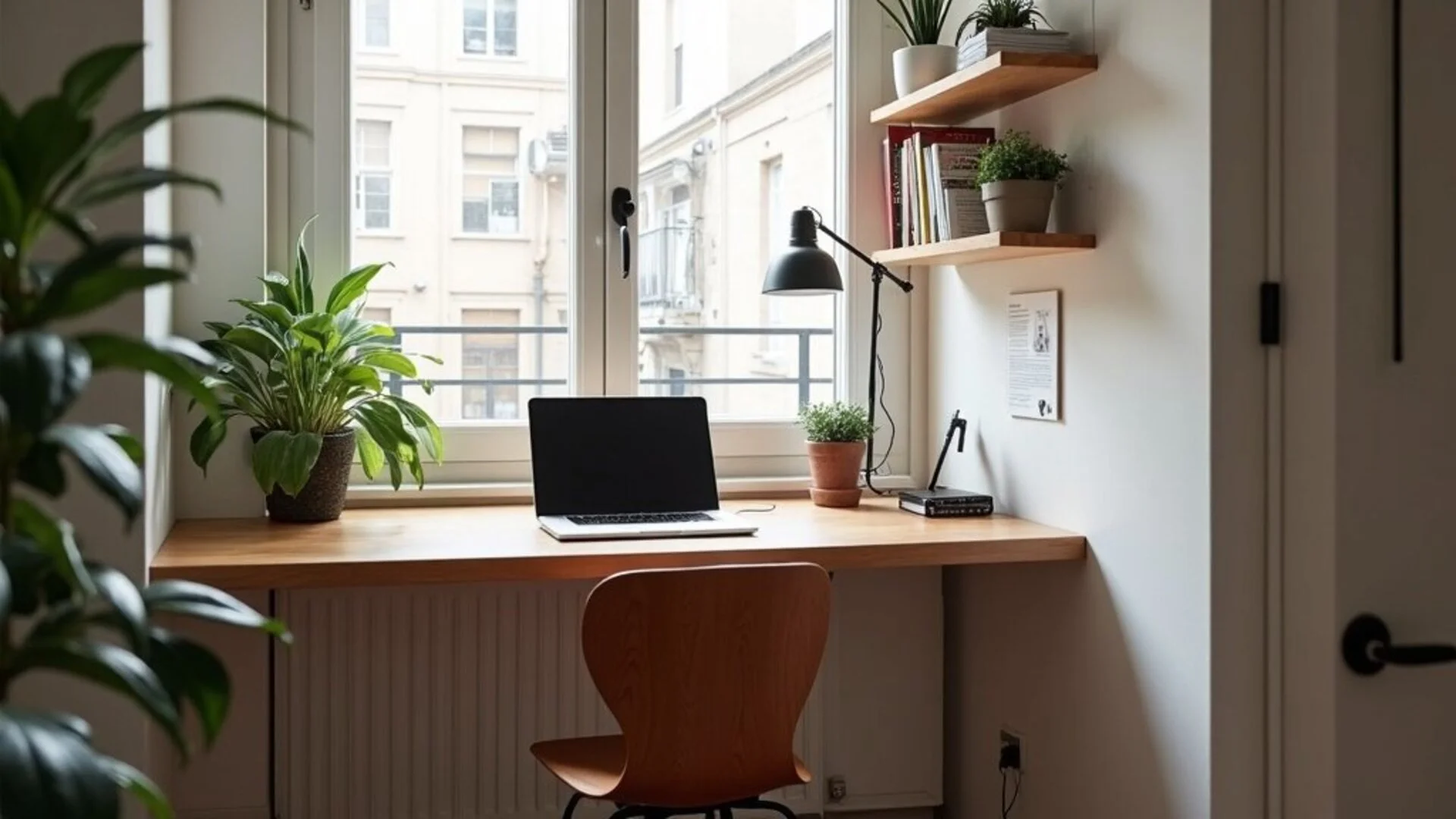
Working from home in a small flat means getting creative with where you place your workspace. The best small-space home offices:
Use vertical space: Floating shelves above the desk for storage
Incorporate natural light: Position the desk near a window to reduce the need for task lighting
Create visual separation: Even a small rug under the desk chair defines the "office" zone
Prioritise cable management: Visible cables make small spaces feel cluttered
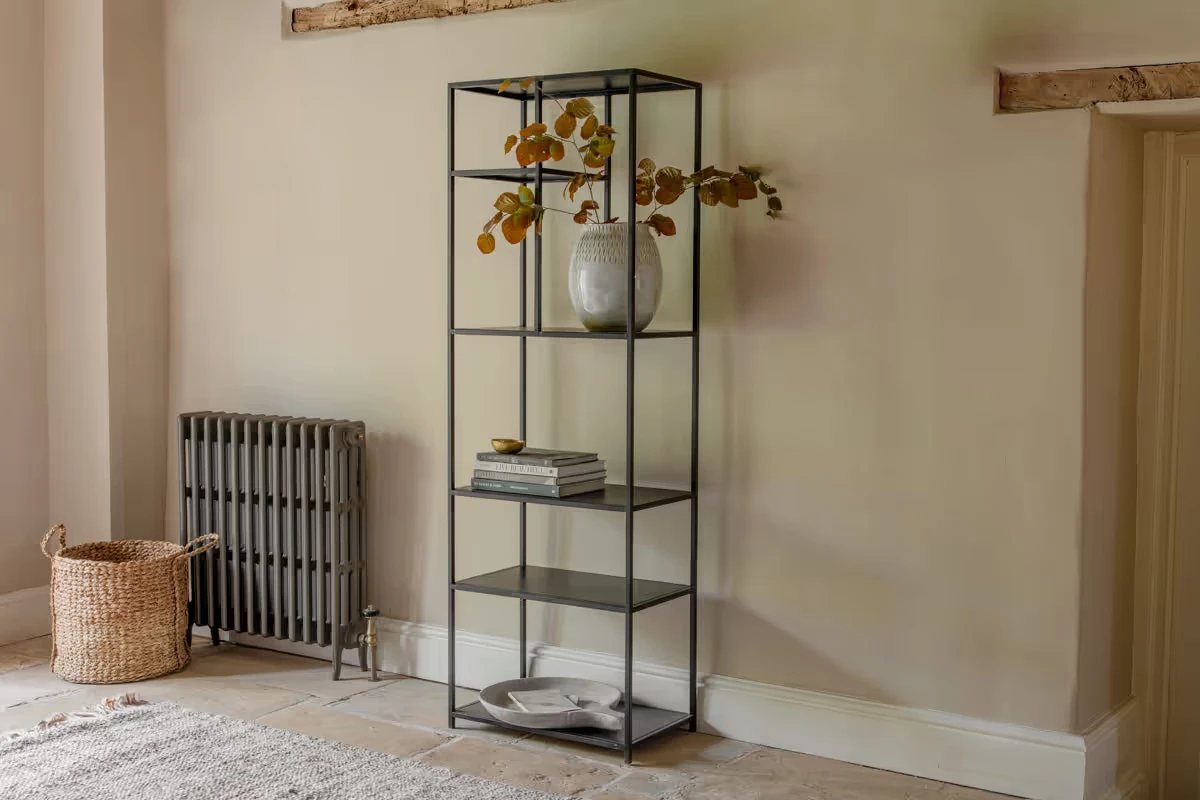
Why We Picked It:
Narrow profile fits against walls without protruding into the room
Provides vertical storage without floor space commitment
Works as display, bookshelf, or office organisation
How to Arrange Furniture in a Small Room
The most effective layout technique for small rooms is "floating" furniture 10-15cm away from walls, which creates shadow depth and makes the room appear larger than pushing everything to the perimeter.
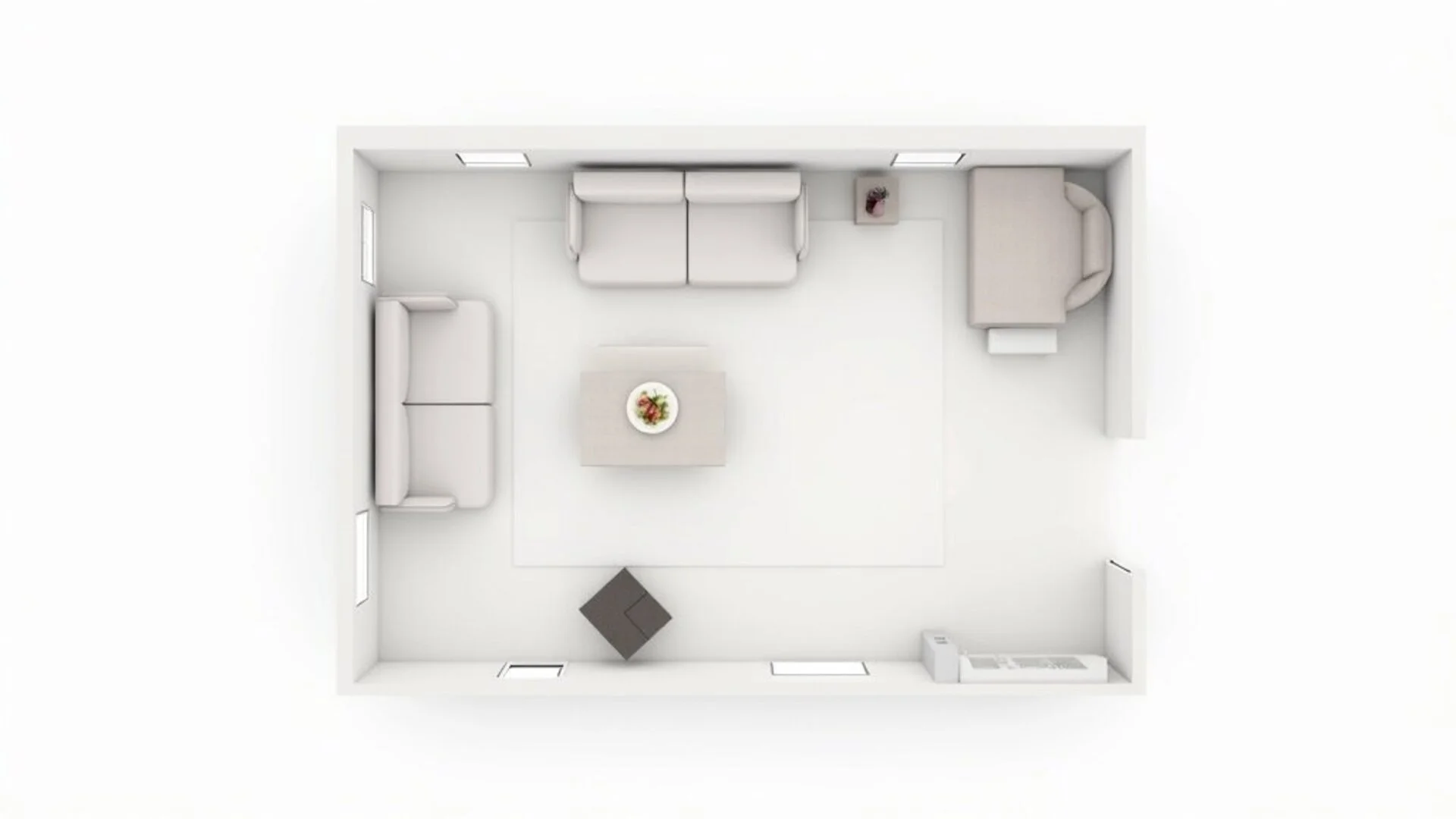
It seems counterintuitive, but pulling furniture away from walls actually makes a room feel bigger. When sofas and beds are tight against walls, the room feels like a box. Small gaps create visual breathing room.
Key arrangement principles:
1. Traffic lanes: Maintain 90cm clear paths through the room for comfortable movement 2. Conversation distance: 2.4-3m between facing seats for comfortable talking 3. Focal point: Arrange seating toward one anchor (fireplace, TV, or window view) 4. Zoning: Use rugs to define areas in open-plan spaces (each zone equals one rug)
Material selection for small spaces:
Material | Visual Weight | Durability | Best Application |
|---|---|---|---|
Glass or acrylic | Ultra-light | Medium | Coffee tables, side tables |
Light wood (oak, ash) | Light | High | Dining tables, shelving |
Metal (slim profiles) | Light | High | Desks, console tables |
Velvet | Medium | Medium | Statement sofas, accent chairs |
Dark leather | Heavy | High | Avoid as main pieces in small rooms |
Dark wood (walnut) | Heavy | High | Accents only, not main furniture |
Mirror placement: A large mirror opposite a window effectively doubles the natural light in a room. In very small spaces, mirrored furniture (like mirrored bedside tables) can make the room feel significantly larger without the commitment of a wall mirror.
Where to Buy Space-Saving Furniture in the UK
The best UK retailers for space-saving furniture combine compact sizing with quality construction. IKEA leads on budget modularity, while Made.com and Loaf offer design-forward compact pieces at mid-range prices.
Retailer | Price Range | Strength | Notable Products |
|---|---|---|---|
IKEA | Budget | Modular systems, flat-pack | FRIHETEN sofa bed, LACK nesting tables |
Habitat | Mid-range | Compact design-led pieces | Space-saving dining sets |
Made.com | Mid-range | Modern aesthetics | Compact sofas, storage solutions |
John Lewis | Premium | Quality and service | Premium sofa beds |
Loaf | Premium | Boutique comfort | Apartment-scale sofas |
Castlery | Mid-premium | Contemporary design | Modular systems, extendable tables |
Nkuku | Mid-premium | Artisan and sustainable | Storage benches, shelving |
When shopping for small-space furniture, always check the exact dimensions against your room measurements. "Compact" and "apartment-sized" mean different things to different retailers.
Common Mistakes to Avoid
The biggest mistake in furnishing small spaces is buying oversized furniture "just in case" for occasional guests. A 3-seater sofa used by 2 people wastes 30% of its footprint daily, and that wasted space compounds across every piece of furniture.
Top 5 small-space furniture mistakes:
1. Oversized "just in case" furniture: That L-shaped sofa for the dinner parties you host twice a year costs you floor space every other day 2. Ignoring vertical space: Tall, slim shelving stores more than wide, short units while using less floor area 3. Too many small pieces: Five small items create more visual clutter than two well-chosen larger ones 4. Dark, heavy furniture: Creates visual weight that makes rooms feel smaller and more enclosed 5. Forgetting clearance zones: Door swings, drawer extensions, and walking paths all need planning
The 60-30-10 rule for small spaces: 60% of your furniture should be functional essentials (sofa, bed, dining table), 30% should be storage-focused (shelving, ottomans, cabinets), and only 10% should be purely decorative (accent chairs, console tables, plant stands).
Getting Started
Furnishing a small space well comes down to three principles: measure everything before you buy, choose multifunctional pieces wherever possible, and think vertically when floor space is limited.
Start with your most-used room. If you work from home, that might be creating a functional workspace. If you love cooking, prioritise kitchen storage. If you entertain often, invest in flexible seating and an extendable dining table.
Small spaces require more thoughtful furniture choices, but they also reward those choices more. The right sofa, table, or storage solution can transform a cramped flat into a comfortable home that feels much larger than its measurements suggest.
---
Frequently Asked Questions
What size sofa is best for a small living room?
For small living rooms under 12 square metres, a 2-seater sofa measuring 150-180cm is ideal, allowing 45cm clearance for comfortable movement around the furniture.
Are corner sofas good for small rooms?
Corner sofas work well in open-plan small spaces where they can define zones, but can overwhelm narrow rooms under 3.5m wide. Choose a straight sofa for narrow layouts.
What furniture makes a small room look bigger?
Furniture with visible legs, glass or acrylic materials, and light colours makes small rooms appear larger by maximising visible floor space and reflecting light. Raised legs are particularly effective because seeing the floor beneath furniture tricks the eye into perceiving more space.
How do I choose an extendable dining table for a small space?
Look for butterfly extension mechanisms (where leaves store inside the table) or drop-leaf designs. Measure both the closed and extended sizes against your available space, and ensure you have at least 90cm clearance on all sides when extended for comfortable seating.
Are ottoman beds worth it for small bedrooms?
Ottoman beds are one of the best investments for small bedrooms, providing 800-1,200 litres of storage (equivalent to a chest of drawers) without using any additional floor space. They're particularly valuable in UK homes where built-in storage is often limited.

