

Best Pendant Lights UK: How to Choose the Right One for Every Room
A pendant light sets the tone of a room before you even switch it on. The shape, material, and position of a single hanging fixture can make a low ceiling feel taller, a dining table feel anchored, or a kitchen island feel like the centre of the house. Get it wrong and you end up ducking under a shade that hangs too low or squinting under a bare bulb that washes the room in flat, clinical light.
In our current collection, MeetFelix lists pendant lights and ceiling fixtures from boutique UK retailers including OKA, Nkuku, Loaf, and Soho Home, in materials ranging from hand-blown glass and rattan to brass, ceramic, and linen. This guide covers sizing, placement height, materials, and what to look for at every price point -- so you end up with a pendant that earns its place overhead.
How to Choose the Right Size Pendant Light
The single most common mistake with pendant lights is getting the size wrong. A shade that looked generous in the shop can disappear against a high ceiling, while an oversized drum pendant in a small hallway feels oppressive. Two simple rules handle most situations.
For rooms: Add the length and width of the room in feet, then convert to inches for your ideal pendant diameter. A 12 x 14-foot room (roughly 3.7 x 4.3 metres) gives you 26 inches, or about 65cm. That works as a starting point -- adjust down by 10-15cm for lower ceilings, up by 10-15cm for rooms with double-height or vaulted ceilings.
For dining tables and kitchen islands: The pendant diameter should be roughly one-third to two-thirds the width of the surface below it. A 90cm-wide dining table calls for a pendant between 30cm and 60cm. Cluster smaller pendants (15-25cm each) in groups of three or five for longer tables or islands.
Surface | Recommended Pendant Size | Hanging Height Above Surface |
|---|---|---|
Round dining table (90-120cm) | 40-60cm single pendant | 70-85cm above table |
Rectangular dining table (180cm+) | 3 pendants at 20-30cm each, or 1 linear fixture | 70-85cm above table |
Kitchen island (120-200cm) | 2-3 pendants at 20-35cm each, spaced 60-75cm apart | 70-80cm above worktop |
Hallway / entryway | 25-40cm single pendant | 210cm minimum from floor |
Bedroom (central) | 40-55cm single pendant or drum shade | 210cm minimum from floor |
Pendant Light Materials: Glass, Brass, Rattan, and More
The material of a pendant light determines how it distributes light, how it ages, and how it fits with the rest of your room. In our current catalogue, glass, brass, metal, and rattan are the most common materials -- each with distinct trade-offs worth understanding before you buy.
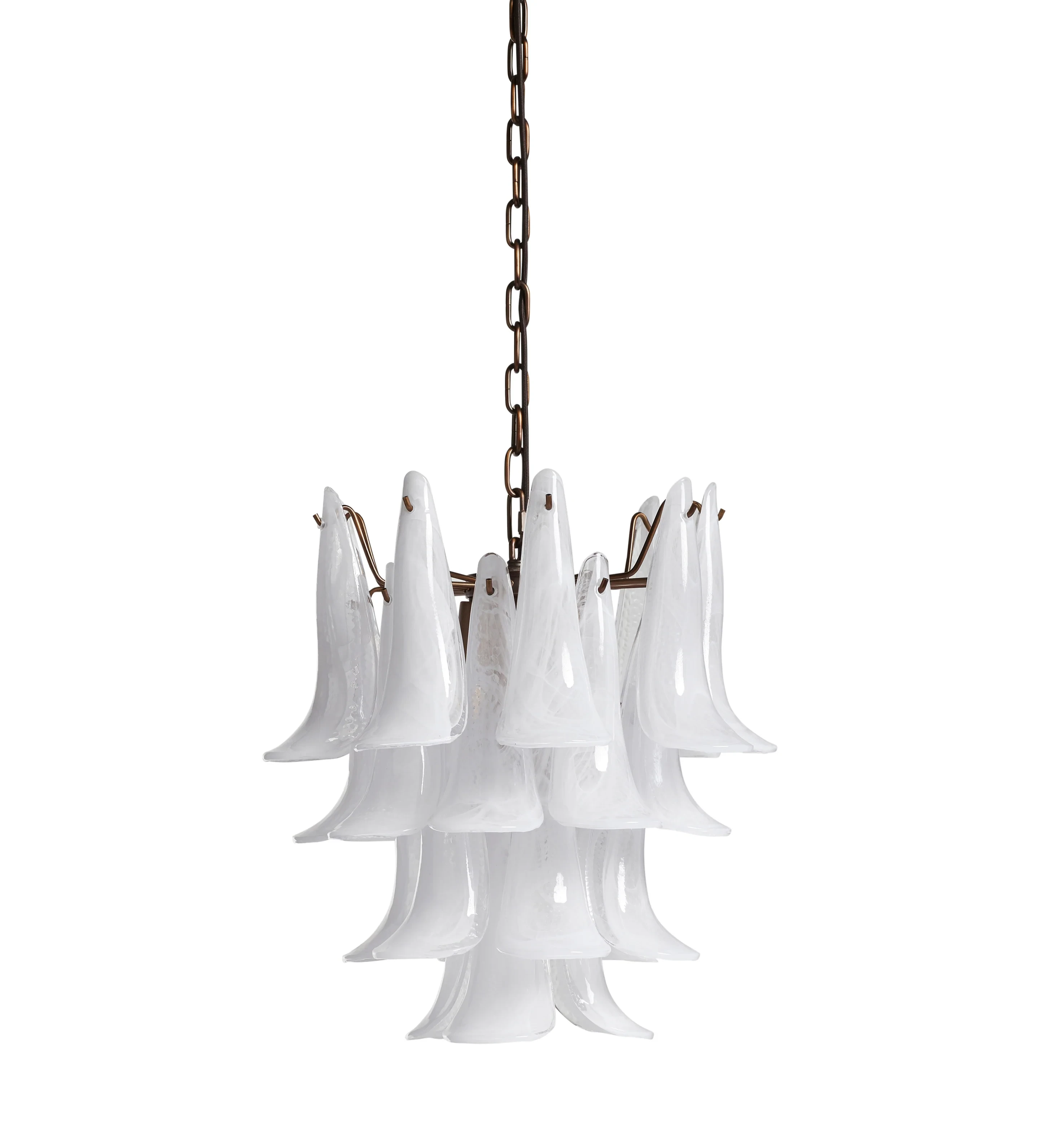
Glass pendants create the most versatile lighting effect. Clear glass throws light in every direction, making it ideal for task lighting over kitchen islands. Frosted or ribbed glass softens the output, reducing glare while still illuminating a wide area. Smoked glass adds warmth and drama but reduces light output by roughly 30-40%, so it works better for ambient rather than task lighting. Hand-blown glass pendants from boutique makers often have slight imperfections that catch light differently across the surface -- a detail worth paying for.
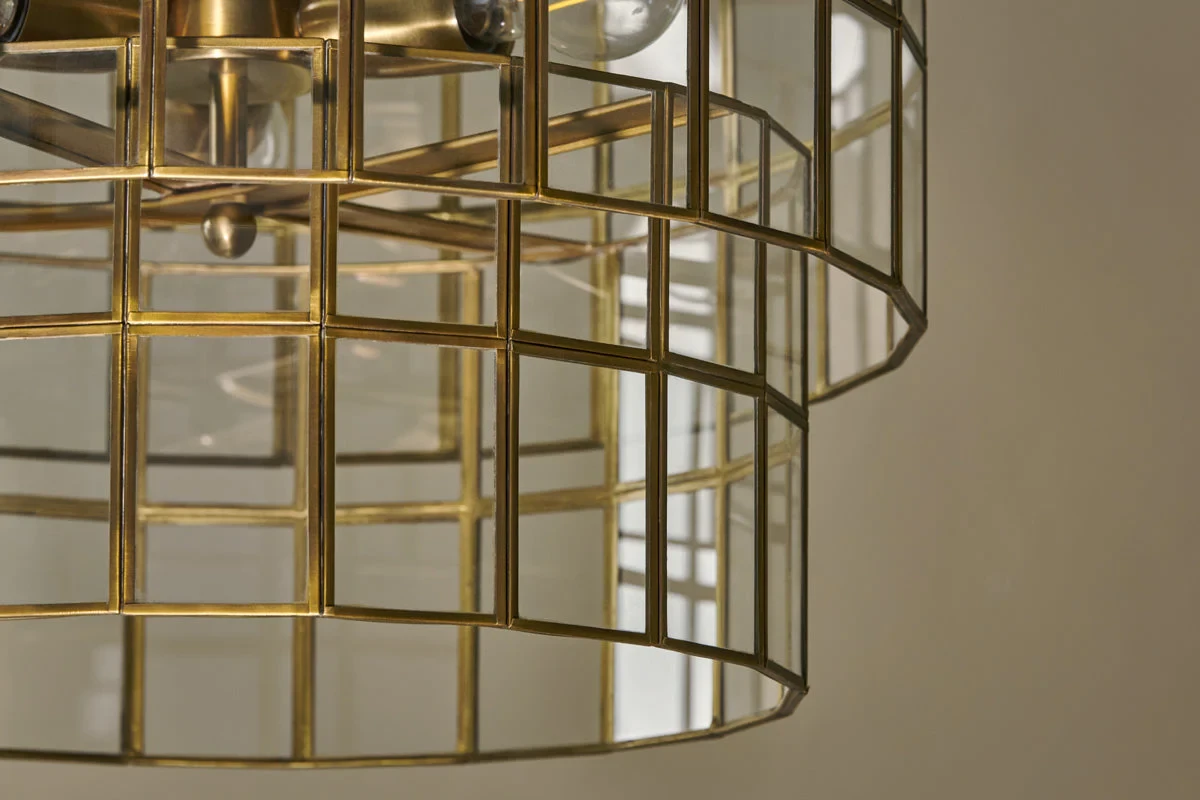
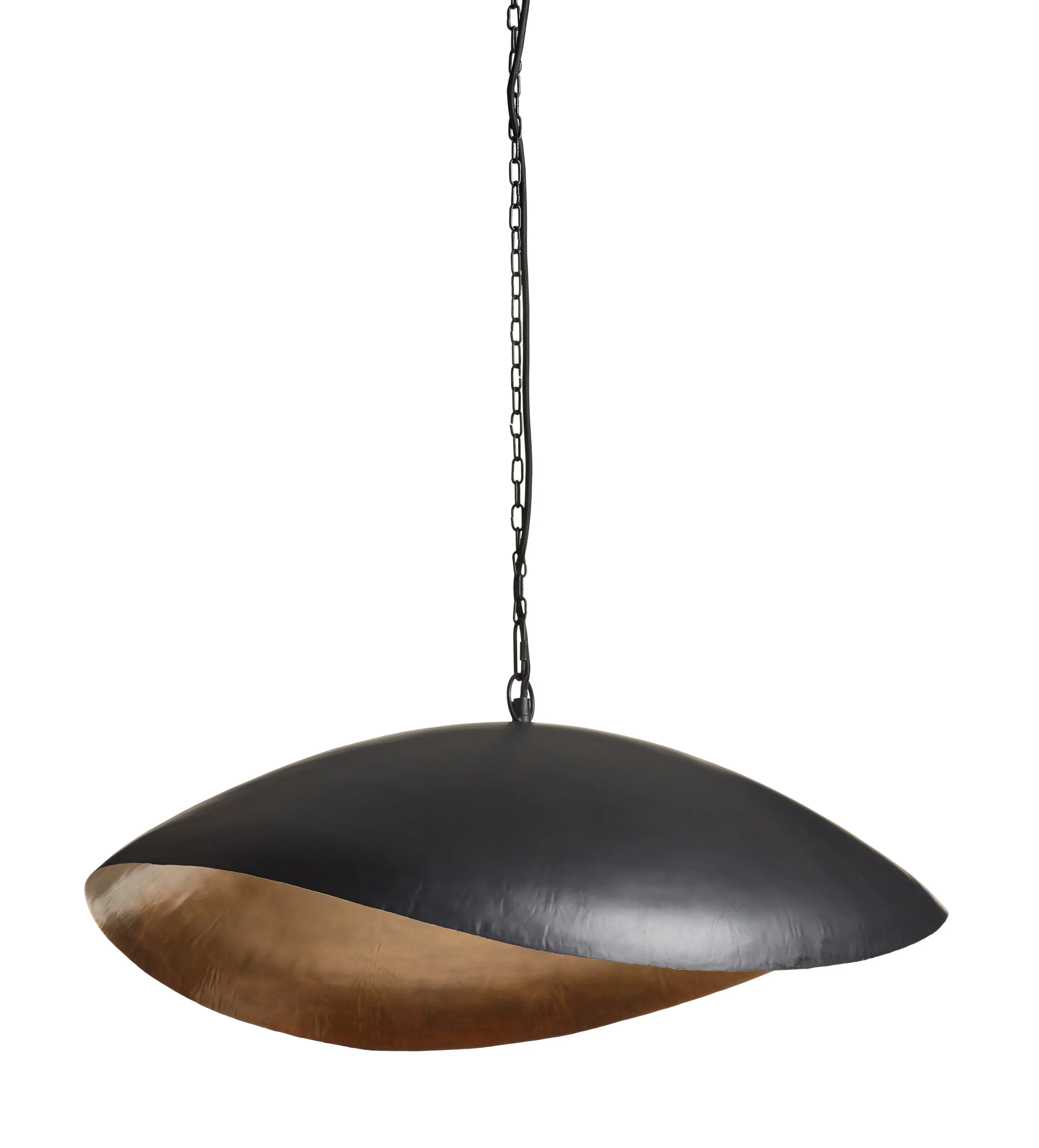
Brass and metal pendants range from polished and reflective to matte and industrial. Antique brass remains one of the most adaptable finishes in lighting -- it sits comfortably in traditional, mid-century, and contemporary rooms without looking out of place. Black metal pendants suit industrial and Scandinavian schemes but can feel heavy in small rooms unless the design is open or caged. Browse brass pendant lights on MeetFelix to see the range.
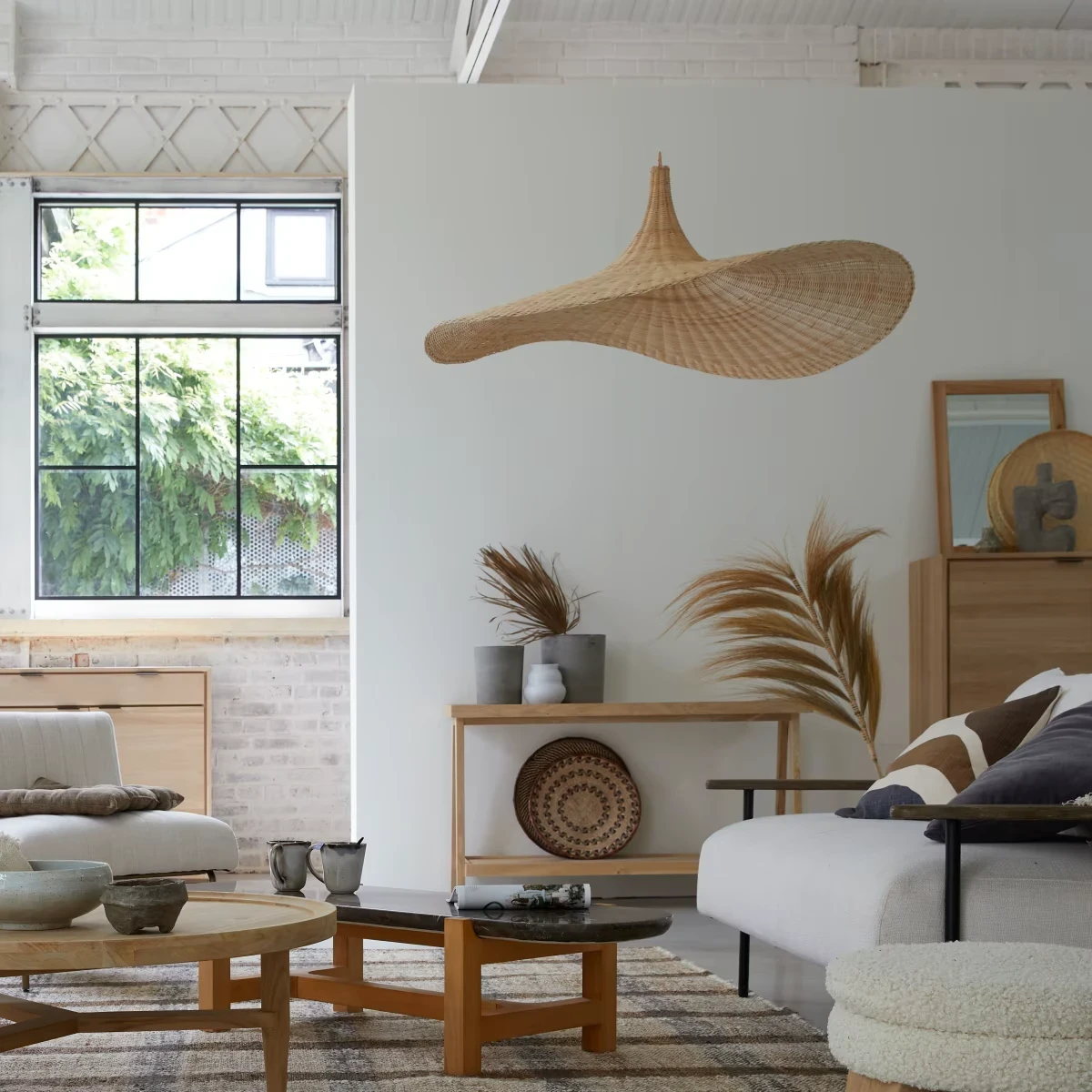
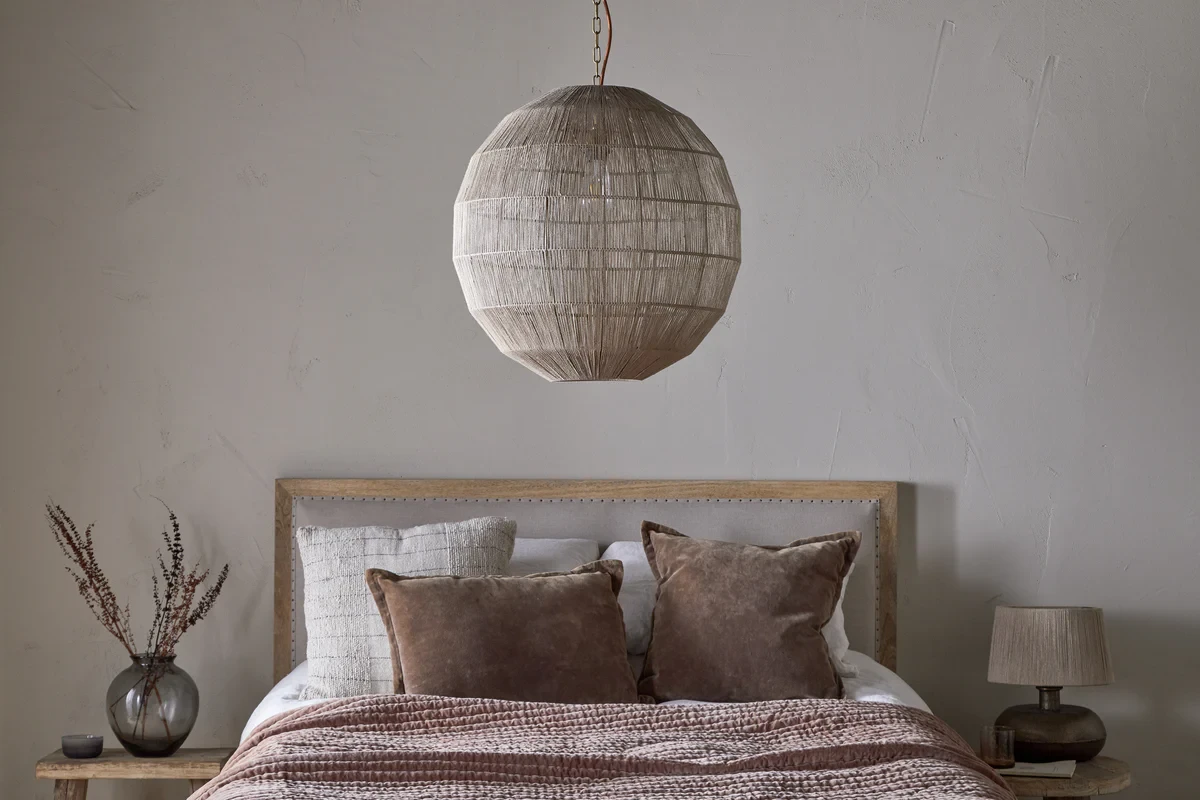
Rattan and natural fibre pendants bring organic texture and work particularly well in bedrooms, garden rooms, and relaxed living spaces. They cast patterned shadows that add visual interest to walls and ceilings. The trade-off: rattan shades are harder to clean, can dry out in centrally heated rooms, and offer less precise light control than glass or metal. Nkuku's rattan lighting collection includes several hand-woven options that balance texture with clean proportions.
Ceramic pendants tend toward a more artisanal look. Bone china shades -- the kind made by British manufacturers -- are translucent enough to glow when lit, creating a warm, diffused light that flatters faces and food. Heavier stoneware shades direct light downward, making them effective over dining tables.
Linen and fabric drum shades are the safe choice for bedrooms and living rooms. They diffuse light evenly, soften the silhouette of the bulb, and blend quietly into most schemes. They won't make a statement, but they won't clash either.
Material | Light Quality | Best Rooms | Maintenance |
|---|---|---|---|
Clear glass | Bright, multi-directional | Kitchen, dining, hallway | Wipe down monthly, shows fingerprints |
Frosted / ribbed glass | Soft, diffused | Living room, bedroom, bathroom | Low -- hides dust well |
Brass / metal | Directional, reflective | Kitchen, dining, hallway | Occasional polish, develops patina |
Rattan / natural fibre | Warm, patterned shadows | Bedroom, garden room, living room | Dust regularly, avoid damp rooms |
Ceramic / bone china | Warm, translucent glow | Dining room, bedroom | Fragile -- handle with care |
Linen / fabric | Even, ambient diffusion | Bedroom, living room | Attracts dust, spot-clean only |
Best Pendant Lights by Room
Pendant lighting demands change significantly from room to room. What works over a kitchen island fails in a bedroom, and a hallway pendant needs to solve problems that a dining room pendant does not.
Kitchen Pendants
Kitchen pendants need to deliver task lighting without creating glare on worksurfaces. Position them 70-80cm above the counter or island, measured from the bottom of the shade to the surface. For islands longer than 150cm, use two or three pendants spaced 60-75cm apart rather than one oversized fixture -- this distributes light more evenly and gives you better coverage for chopping, reading recipes, and eating.
Glass pendants dominate in kitchens for good reason: they are easy to clean, they throw light effectively, and they do not trap cooking odours the way fabric or rattan shades can. Browse kitchen-friendly pendant lights on MeetFelix.
Dining Room Pendants
The dining table is where pendant lighting earns its keep. A well-positioned pendant creates an intimate pool of light that draws people in, defines the eating area within an open-plan space, and makes food look its best. Hang the bottom of the shade 70-85cm above the table surface -- low enough to create atmosphere, high enough that seated diners can see each other across the table.
For round tables, a single pendant centred above works well. For rectangular tables over 150cm long, consider a linear suspension or a row of two to three smaller pendants. Warm-toned materials -- brass, rattan, or ceramic -- flatter skin tones and food better than cool chrome or black metal.
Bedroom Pendants
In a bedroom, a pendant light replaces or supplements a central ceiling light. The goal is ambient warmth, not task illumination. Drum shades in linen or fabric work reliably here, softening the light enough for evening use without requiring a dimmer (though adding one is always worthwhile). Hang the pendant at least 210cm from the floor -- in a room with standard 240cm UK ceilings, that leaves only 30cm of drop, which limits you to flush or semi-flush mounts unless the shade is compact.
An alternative approach: use a statement pendant as the focal point the room is styled around, like you would an anchor piece of furniture. A sculptural glass or ceramic pendant hung slightly lower over a dressing area or reading chair creates a deliberate, designed look.
Hallway and Stairwell Pendants
Hallways set the first impression of your home, and a pendant light is often the only fixture in the space. Size conservatively -- 25-40cm diameter for most UK hallways -- and ensure the bottom of the shade clears 210cm from the floor to avoid head collisions. In double-height stairwells, a tall pendant or cascading cluster can be genuinely transformative, drawing the eye upward and making the space feel considered rather than transitional.
How Much to Spend on a Pendant Light
Pendant lights span a wide price range, and what you get at each tier differs more than you might expect. Here is what to look for at each budget.
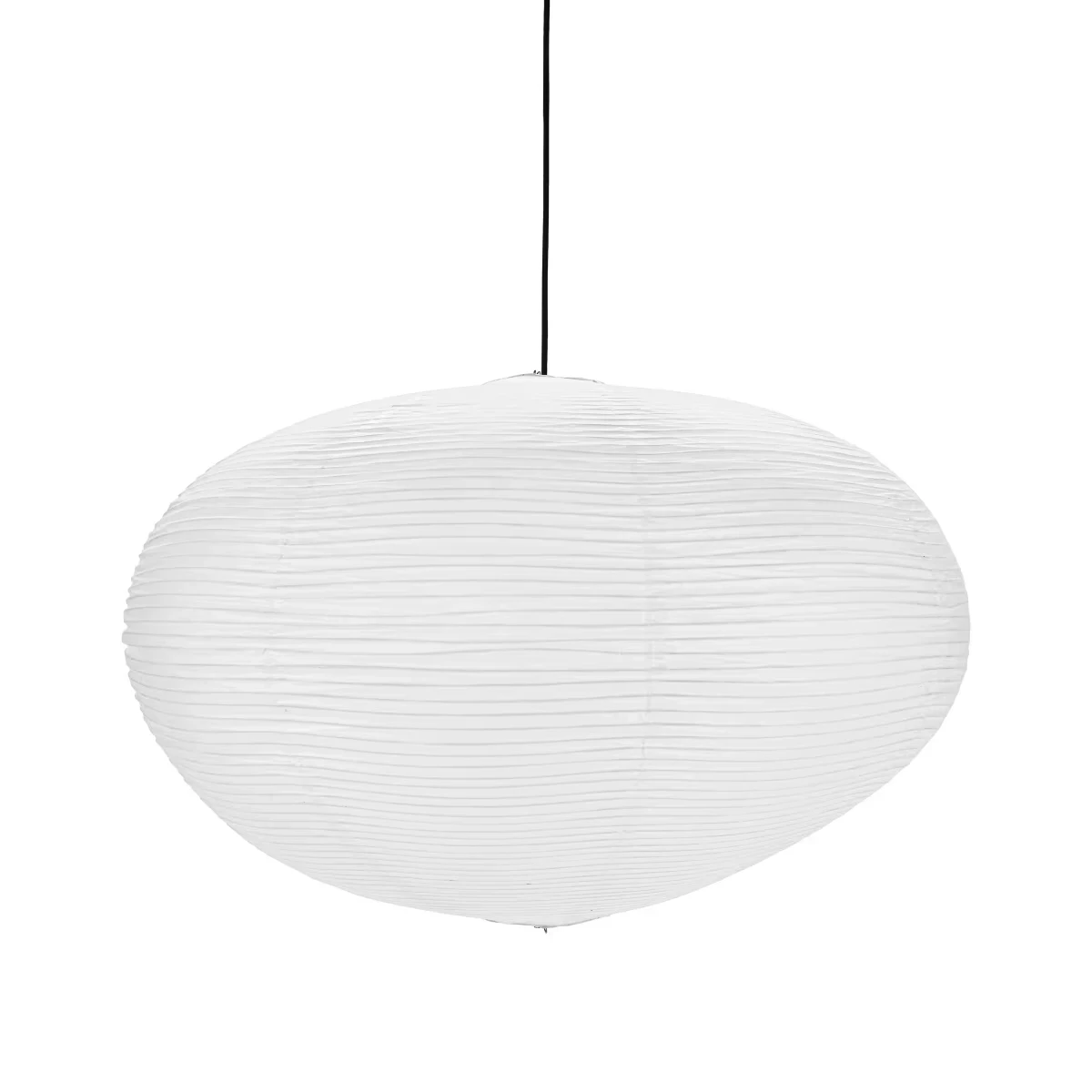
Under £100: Simple and Effective
At this price, you are mainly looking at single-material shades in standard finishes -- metal cages, simple glass globes, or basic fabric drums. Construction is functional rather than refined, and the metalwork may feel lighter. That said, a well-chosen pendant under £100 can look intentional in the right setting. The key is to keep the design simple so the budget does not show.

£100-£300: The Sweet Spot
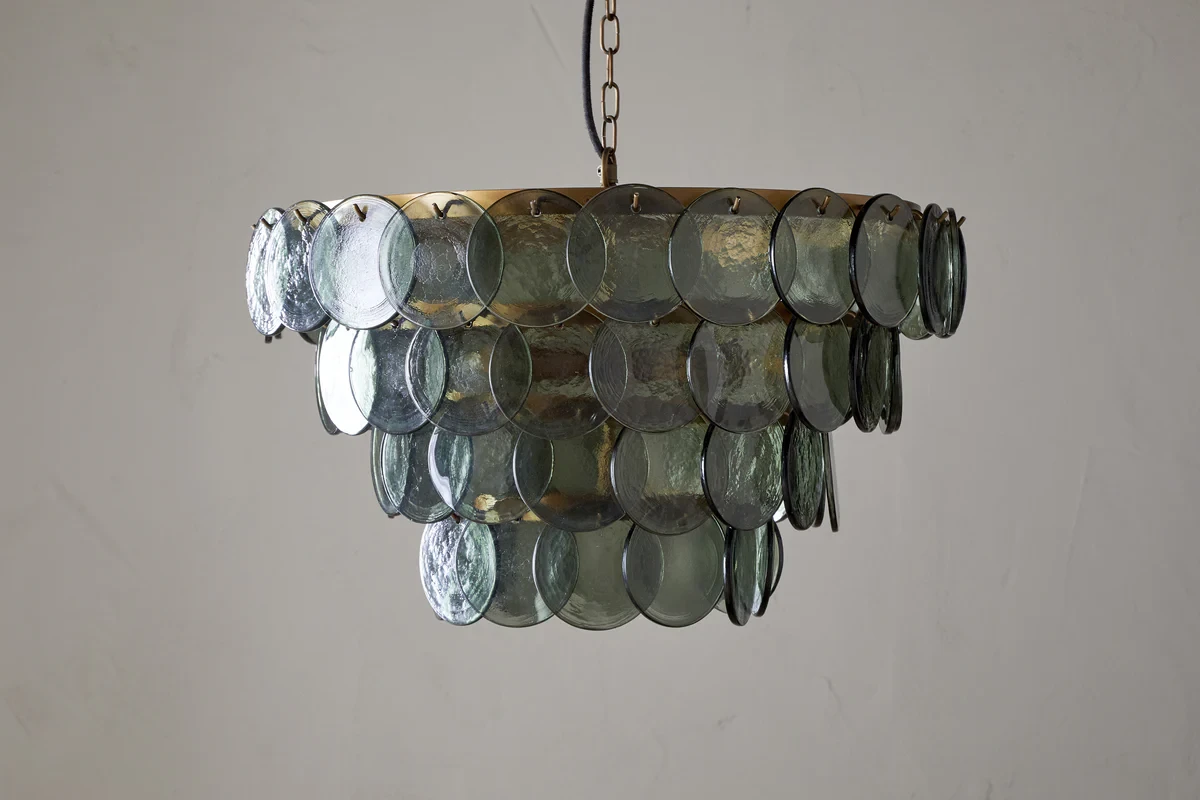
This is where material quality and design detail improve noticeably. Expect hand-finished metalwork, hand-blown glass with visible character, and rattan shades that are woven rather than moulded. Retailers like Nkuku and Loaf offer pendants in this range that balance craftsmanship with accessibility. For most rooms in a UK home, a pendant in this bracket will look and last significantly better than a budget alternative.
Over £300: Statement and Investment Pieces
Above £300, you are paying for artisanal production, premium materials, or designer provenance. OKA's pendant and ceiling light collection includes brass and glass fixtures with detailing that sets them apart from mass-produced alternatives. At this tier, a pendant light becomes a genuine design statement -- the kind of piece visitors notice and ask about.
Price Tier | What You Get | Best For |
|---|---|---|
Under £100 | Single-material, standard finishes, functional | Bedrooms, hallways, rental homes |
£100-£300 | Hand-finished materials, visible craft, better light quality | Dining rooms, kitchens, living rooms |
Over £300 | Artisanal production, premium materials, designer details | Statement rooms, focal points |
How to Layer Pendant Lights With Other Lighting
A pendant light works best as part of a layered lighting scheme, not as the sole light source in a room. The most effective interiors combine three types of lighting: ambient (general illumination), task (focused light for specific activities), and accent (highlighting objects or architectural features).
Pendants typically serve as ambient or task lighting, depending on their position and shade type. Pair them with table lamps for mid-level warmth, floor lamps for reading corners, and wall lights or picture lights for accent. The goal is that no single fixture does all the work -- and that you can adjust the mood by switching different layers on and off.
In an open-plan kitchen-diner, this might mean pendant lights over the island for cooking, a larger pendant or chandelier over the dining table for atmosphere, table lamps on a console or sideboard for warmth, and under-cabinet strips for practical worksurface light. Each layer operates independently, letting you shift from bright working light to soft evening dining without touching a dimmer.
A practical rule: aim for at least three separate light sources in any room you spend significant time in. One pendant plus two table lamps is the simplest starting point.
Discover Pendant Lights on MeetFelix
MeetFelix brings together pendant lights and ceiling fixtures from boutique UK retailers in one place, so you can compare styles, materials, and prices without visiting ten different websites. Whether you are looking for a glass pendant for your kitchen, a rattan shade for your bedroom, or a brass statement piece for your hallway, start by browsing the full pendant light collection.
Frequently Asked Questions
How high should a pendant light hang above a dining table?
Hang the bottom of the shade 70-85cm above the table surface. This creates an intimate pool of light without obstructing sightlines between seated diners. For tables near windows, check the pendant does not block the view from standing height -- move it 5-10cm higher if needed.
Can I use a pendant light in a bathroom?
Yes, but it must have the correct IP rating for the bathroom zone where it will be installed. Zone 1 (directly above the bath or shower) requires IP65 or higher. Zone 2 (within 60cm of the bath or shower) requires IP44 or higher. Outside these zones, standard pendants are fine. Always check the product specification and consult an electrician for installation.
How many pendant lights do I need over a kitchen island?
For islands up to 120cm long, one pendant is usually sufficient. For islands between 120cm and 200cm, two pendants spaced 60-75cm apart work well. Islands over 200cm benefit from three pendants. Space them evenly along the length of the island, centred over the width, and keep them 70-80cm above the worksurface.
Do pendant lights need to match in every room?
No. Matching every pendant in the house creates a hotel-like uniformity that rarely feels personal. Instead, aim for a consistent material or colour thread -- brass hardware throughout, or a shared colour temperature in the shades -- while varying the shape and size to suit each room's needs. Consistency of quality matters more than consistency of design.
Should I choose a pendant light with a fixed or adjustable drop?
Adjustable drop is almost always preferable, especially in UK homes where ceiling heights vary between 240cm (standard new-build) and 300cm+ (Victorian terraces). A fixed-drop pendant that looks right in a showroom with 280cm ceilings may hang too low in your home. Look for pendants with adjustable cables or chains that can be shortened at installation -- most electricians can do this during fitting.
How do I clean a pendant light shade?
The method depends on the material. Glass shades can be removed and washed with warm soapy water. Brass and metal benefit from a soft dry cloth and occasional specialist polish. Rattan and natural fibres should be dusted regularly with a soft brush -- avoid water, which can cause warping. Fabric drum shades attract dust and benefit from a lint roller or gentle vacuuming with a brush attachment every few weeks.


