

Furniture Materials Guide: Creating Cohesion Through Materiality
Materials do more than affect how furniture looks—they shape how a room feels, how it functions, and how it ages over time. Understanding materiality is key to creating spaces that match your lifestyle and environment while maintaining visual cohesion across your home.
The best-furnished homes don't feel like random collections of pieces. They have intentional material relationships that create a sense of belonging and completeness. This guide explains how to choose materials strategically and create through lines that tie your spaces together.
Matching Materials to Your Environment
The best-furnished homes feel connected to their location and climate. Coastal homes naturally suit light woods, linen, and natural fibres. Urban spaces often embrace metals, glass, leather, and sleek finishes. Traditional homes in the countryside feel right with rich woods, velvet, and classic textiles.
This isn't about rigid rules—it's about awareness. Certain materials respond better to specific environments, performing well functionally while feeling aesthetically appropriate.
Coastal and Humid Environments
Homes near the coast or in humid climates need materials that handle moisture, salt air, and temperature fluctuations without damage.
Recommended materials:
Light-coloured woods: Oak, ash, pine, whitewashed or pickled finishes
Linen and cotton fabrics: Breathable, casual, moisture-wicking
Woven natural fibres: Rattan, cane, jute, seagrass
Treated metals: Stainless steel, powder-coated aluminum (rust-resistant)
Materials to avoid:
Dark woods (walnut, mahogany) show salt and moisture damage
Untreated metals that rust or corrode
Delicate silks or velvets that deteriorate in humidity
Leather (can mildew in very humid environments)
Why this works: Light woods don't show water spots as obviously. Natural fibres breathe and don't trap moisture. Treated metals resist corrosion from salt air. The aesthetic also feels appropriate—beachy, airy, relaxed.
Product Collection: Materials that thrive in coastal and humid environments
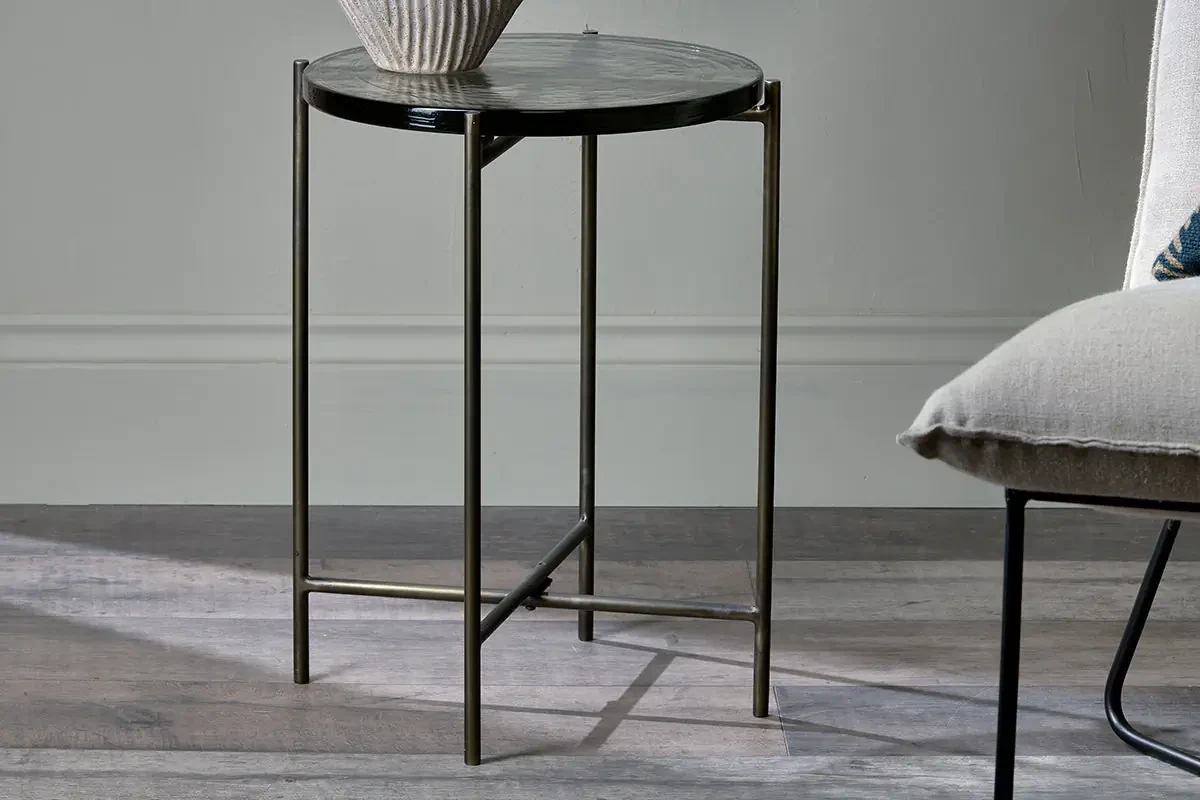
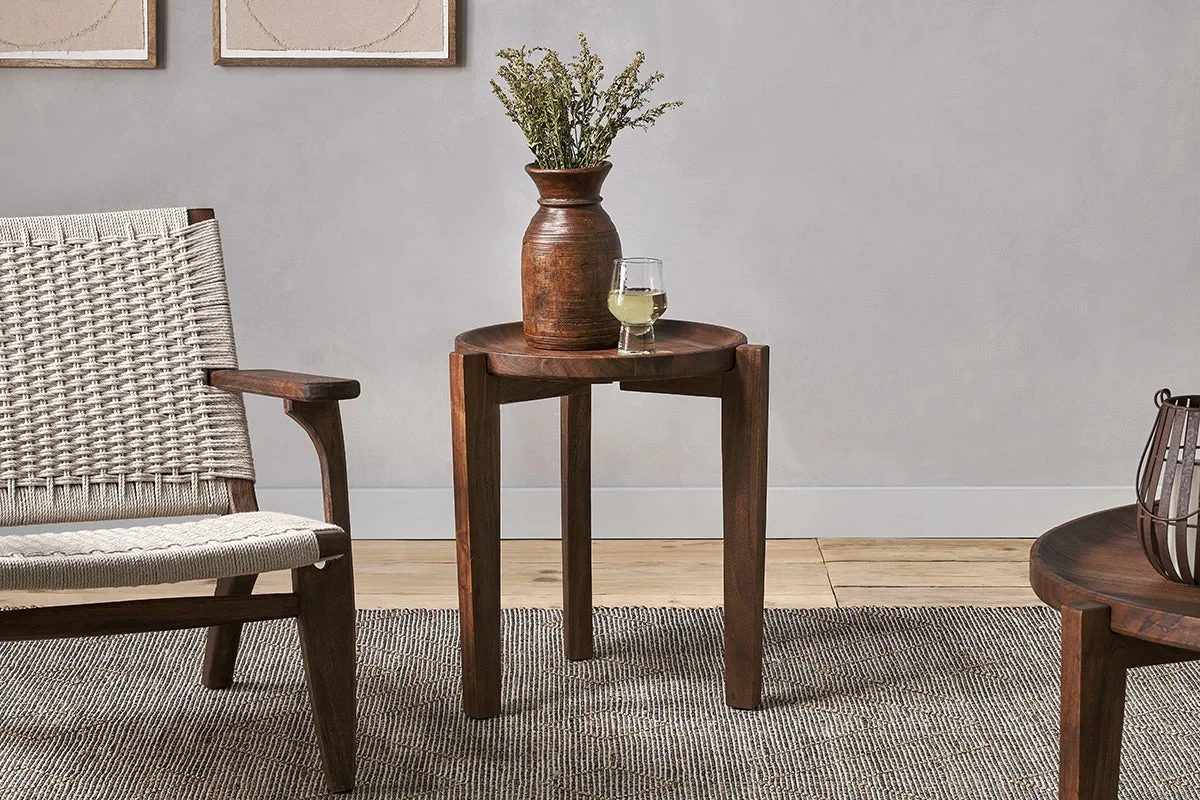
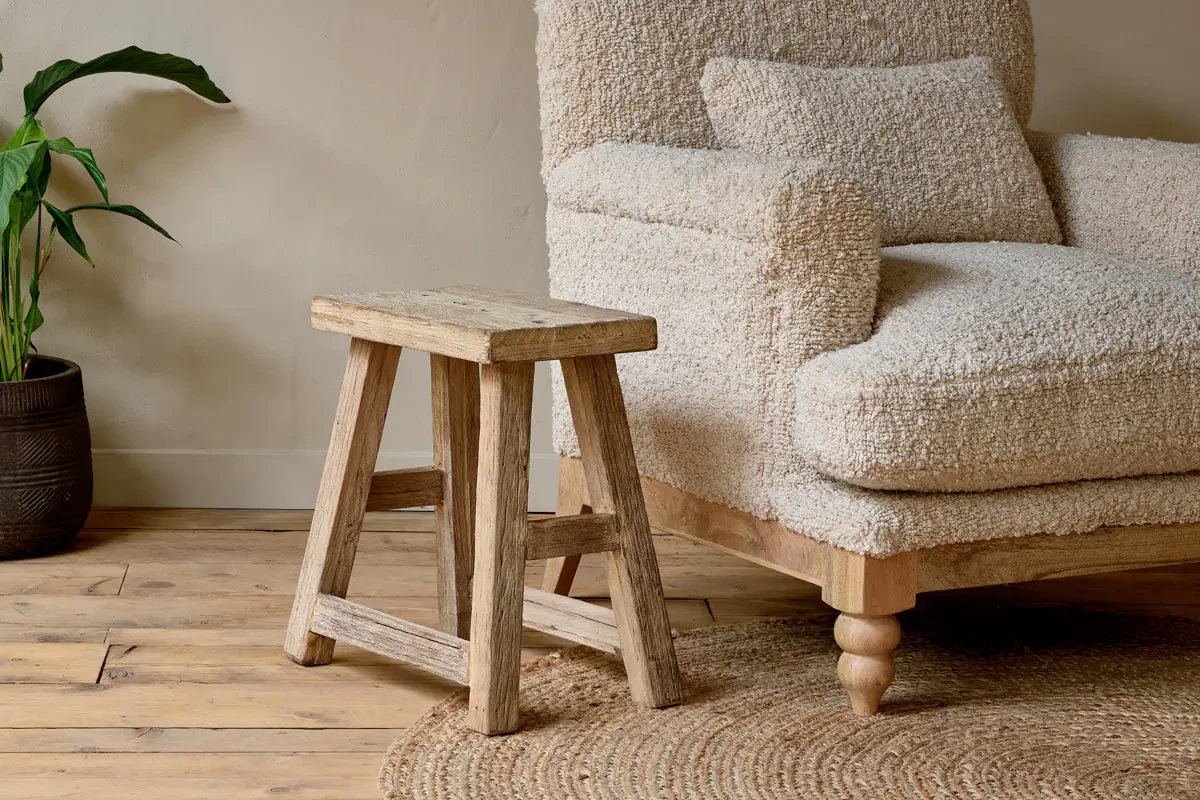
Urban and Low-Humidity Environments
City apartments and homes in dry climates can use materials that might be impractical elsewhere. Low humidity means less concern about mildew, while indoor living reduces weather exposure.
Recommended materials:
Metals and glass: Sleek, modern, easy maintenance, reflect light
Leather: Develops beautiful patina, durable, sophisticated
Engineered woods with protective finishes: Perform well in controlled indoor environments
Bold, saturated colours: Less fading from intense sun in climate-controlled spaces
Mixed materials: Metal-and-wood combinations, glass-top tables with wood bases
Materials to watch:
Solid wood furniture may crack in very low humidity (maintain 30-50% humidity)
Delicate fabrics can fade quickly near large windows (use UV protection)
Why this works: Urban environments are typically climate-controlled, allowing materials that need stable conditions. Metals and glass suit the architectural character of urban spaces. Leather ages beautifully in dry environments.
Product Collection: Sleek materials perfect for urban environments
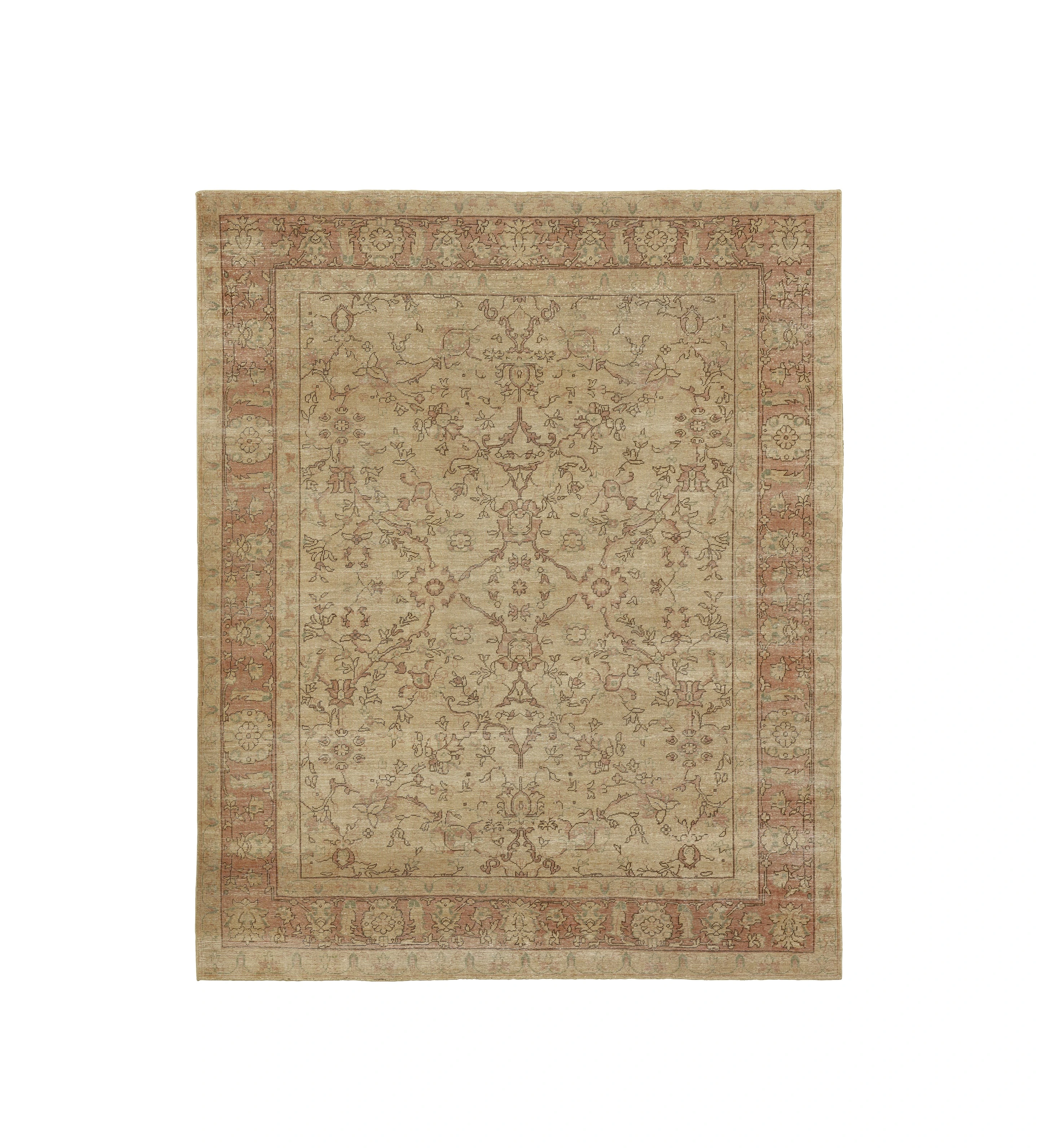
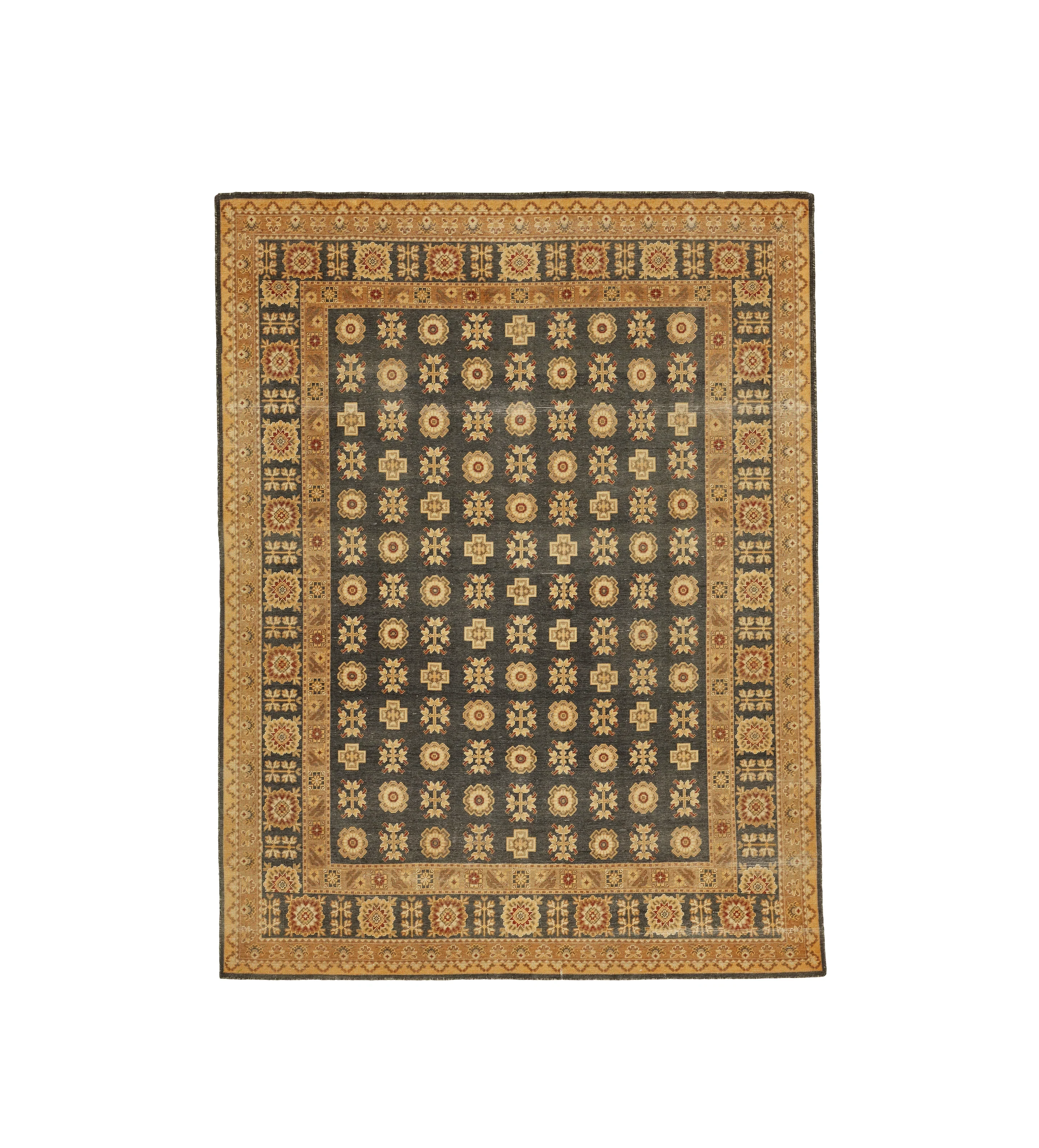
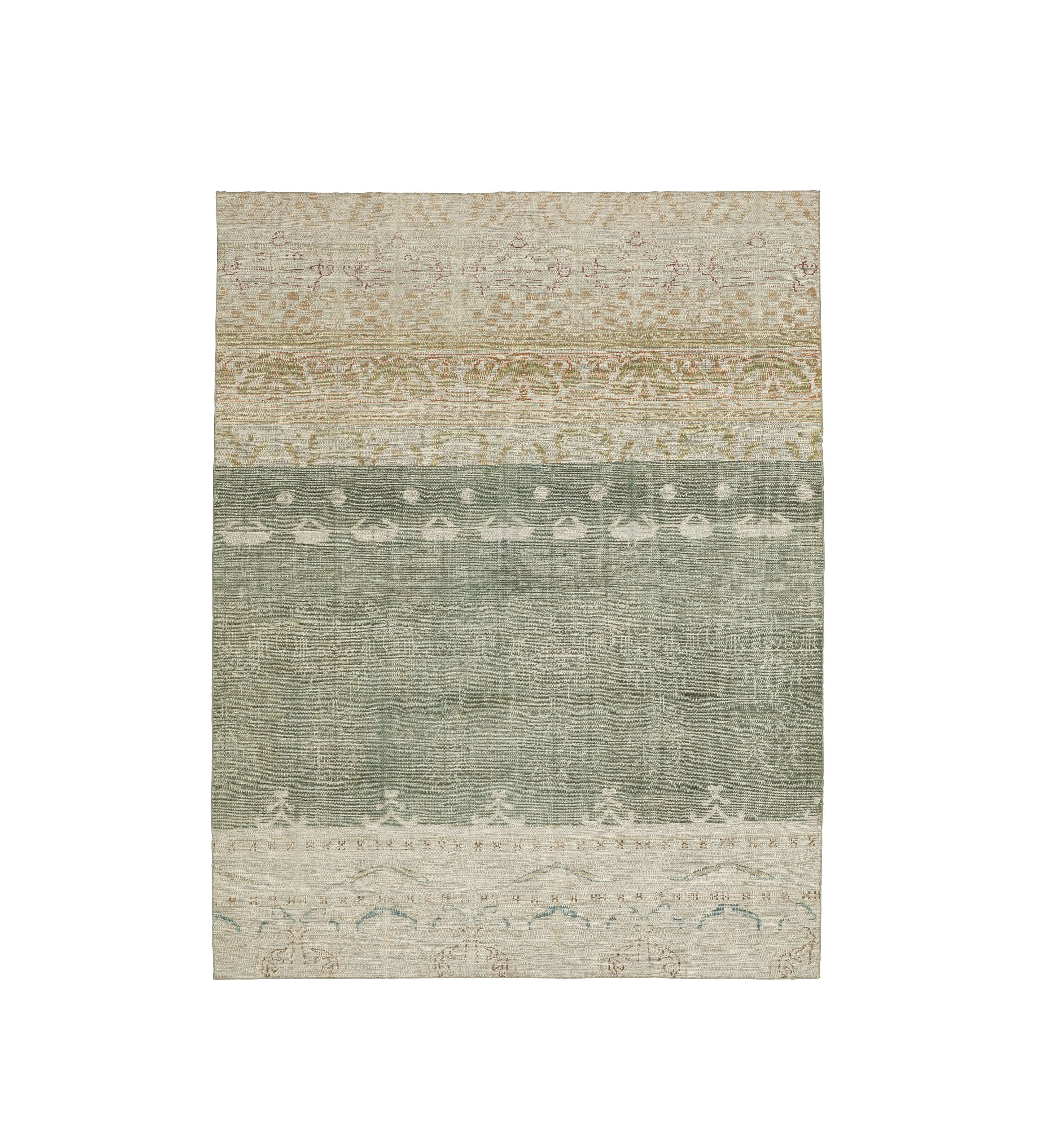
Traditional Homes and Varied Climates
Homes in mixed climates or traditional architectural styles benefit from classic materials that handle seasonal changes and suit timeless aesthetics.
Recommended materials:
Hardwoods: Walnut, cherry, mahogany, teak (properly finished)
Performance velvets: Classic look with modern durability and stain resistance
Mixed materials for year-round comfort: Wood-and-upholstery combinations
Layered textiles: Removable throws, pillows, curtains for seasonal adjustment
Stone and solid surfaces: Marble, granite, quartz for tables and accents
Material considerations:
Choose finishes appropriate to your specific climate
Plan for seasonal textile swaps (heavier in winter, lighter in summer)
Invest in quality window treatments to protect from sun and insulate
Why this works: Quality hardwoods and traditional materials have proven durability across centuries and climates. Performance velvets give you classic aesthetics with modern practicality. Layered textiles allow seasonal adjustments without replacing furniture.
Understanding Sun Exposure and Climate
Beyond general environment, specific sun exposure in your rooms affects material selection.
Light Exposure by Room Direction
South-facing rooms (in Northern Hemisphere):
Receive intense, direct sunlight most of the day
Bright and warm but hardest on fabrics and finishes
Choose fade-resistant fabrics or plan for replacement
Use UV-protective window films or treatments
North-facing rooms:
Receive soft, indirect light throughout the day
Can handle delicate fabrics and rich colours
Least fading and damage to materials
East-facing rooms:
Strong morning light, dimmer afternoons
Moderate fading risk
West-facing rooms:
Intense afternoon and evening sun
High heat gain and significant fading risk
Choose heat-tolerant materials
Protecting Materials from Sun Damage
UV-protective window films:
Reduce fading without blocking light
Can reduce heat gain significantly
Strategic placement:
Keep delicate fabrics and fine wood finishes away from direct sun
Place fade-resistant materials in sunny spots
Rotating pieces seasonally:
Swap pillows and throws that get sun exposure
Move rugs occasionally to prevent uneven fading
Creating Through Lines with Materials
Professional designers use "through lines"—repeated materials, colours, or finishes that create visual cohesion across spaces. Through lines prevent your home from feeling like a collection of unrelated rooms.
What is a Through Line?
A through line is a deliberate repetition that creates connection:
Material through lines:
The same wood tone appearing in different furniture types across rooms
A specific metal finish (brass, black iron, brushed nickel) repeated in lighting, hardware, and furniture details
Textile through lines:
A pattern appearing in the living room sofa, bedroom pillows, and dining chair cushions
A texture (linen, velvet, leather) used across multiple pieces
Colour through lines:
A specific colour threading through spaces in different intensities
A colour family maintained throughout
The Key: Consistency Without Monotony
You don't match everything—you create connections. For example, a walnut dining table might connect to walnut nightstands and a walnut console table, even though these pieces have different styles and designs.
The 3-Material Rule
Limit primary materials to three per room. One dominant material (60%), one secondary (30%), and one accent (10%). Too many materials create visual chaos. Too few feels flat and one-note.
Example living room:
Dominant (60%): Light oak wood in media console, bookshelf, side table
Secondary (30%): Grey linen on sofa and ottoman
Accent (10%): Black metal in floor lamp, coffee table legs, picture frames
Example bedroom:
Dominant (60%): Walnut wood in bed frame, nightstands, dresser
Secondary (30%): White linen bedding and curtains
Accent (10%): Brass hardware, lamp bases, mirror frame
How to Create Through Lines Across Rooms
Step 1: Choose your primary wood tone Often determined by your first major furniture purchase. If your living room sofa has walnut legs, walnut becomes your through-line wood.
Step 2: Select your primary metal finish Choose one as your dominant finish and use it in at least 2-3 rooms. Options: brass, black/oil-rubbed bronze, brushed nickel, copper.
Step 3: Identify your neutral fabric/colour What neutral appears in your largest upholstered pieces? This often becomes a through line in smaller doses elsewhere.
Step 4: Repeat these materials across rooms Each room should connect to others through at least one shared material.
Balancing Comfort with Artfulness
Furniture serves two masters: function and beauty. The best pieces satisfy both.
Evaluating the Function-Beauty Balance
Can I sit in or use this comfortably for extended periods? Always test seating before buying when possible. Sit for at least 10 minutes.
Does it have visual interest from multiple angles? You'll see furniture from different viewpoints in your home.
Will I still find this beautiful in 5-10 years? Sculptural doesn't mean trendy.
Performance Fabrics: Modern Technology Meets Classic Aesthetics
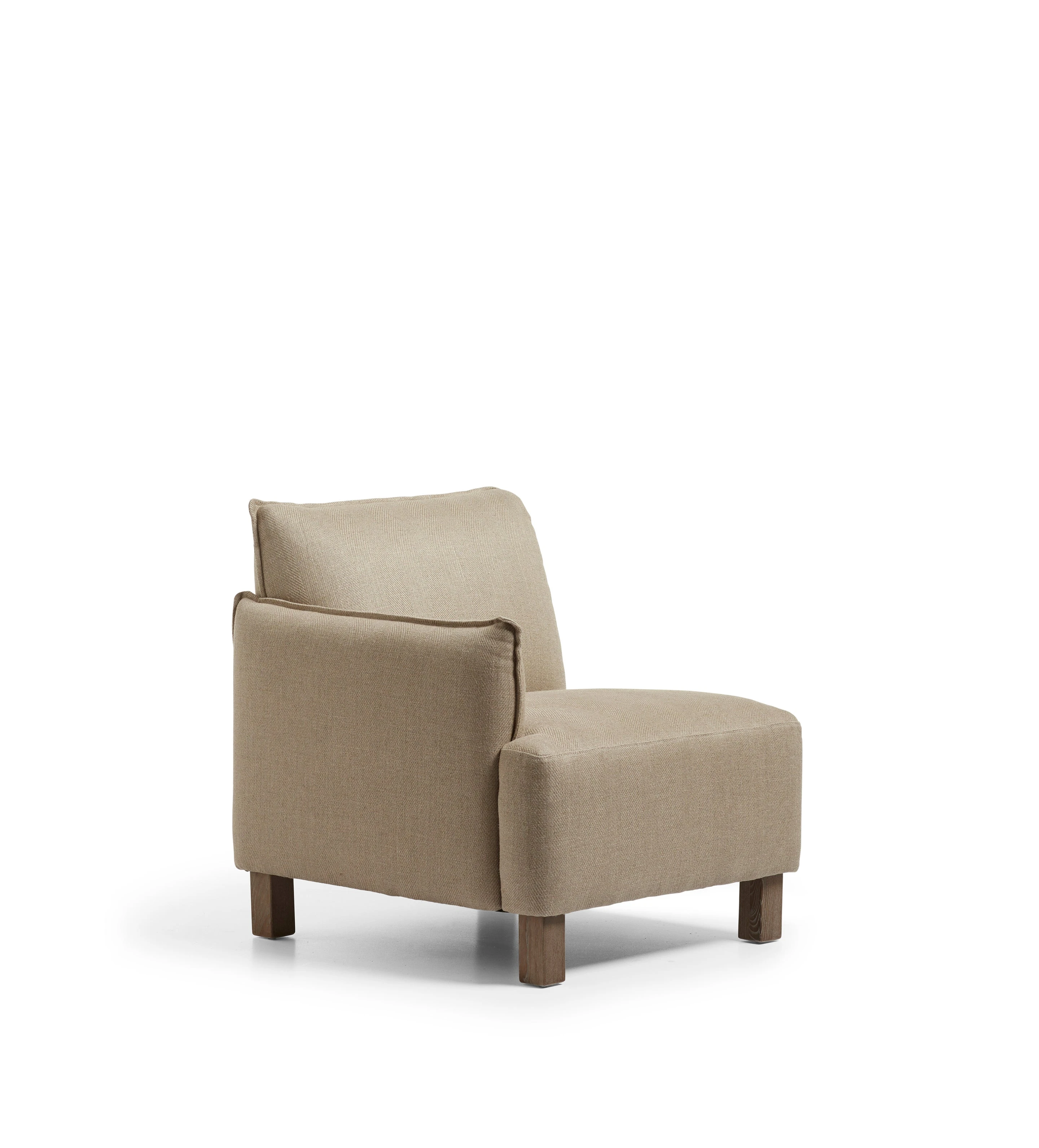
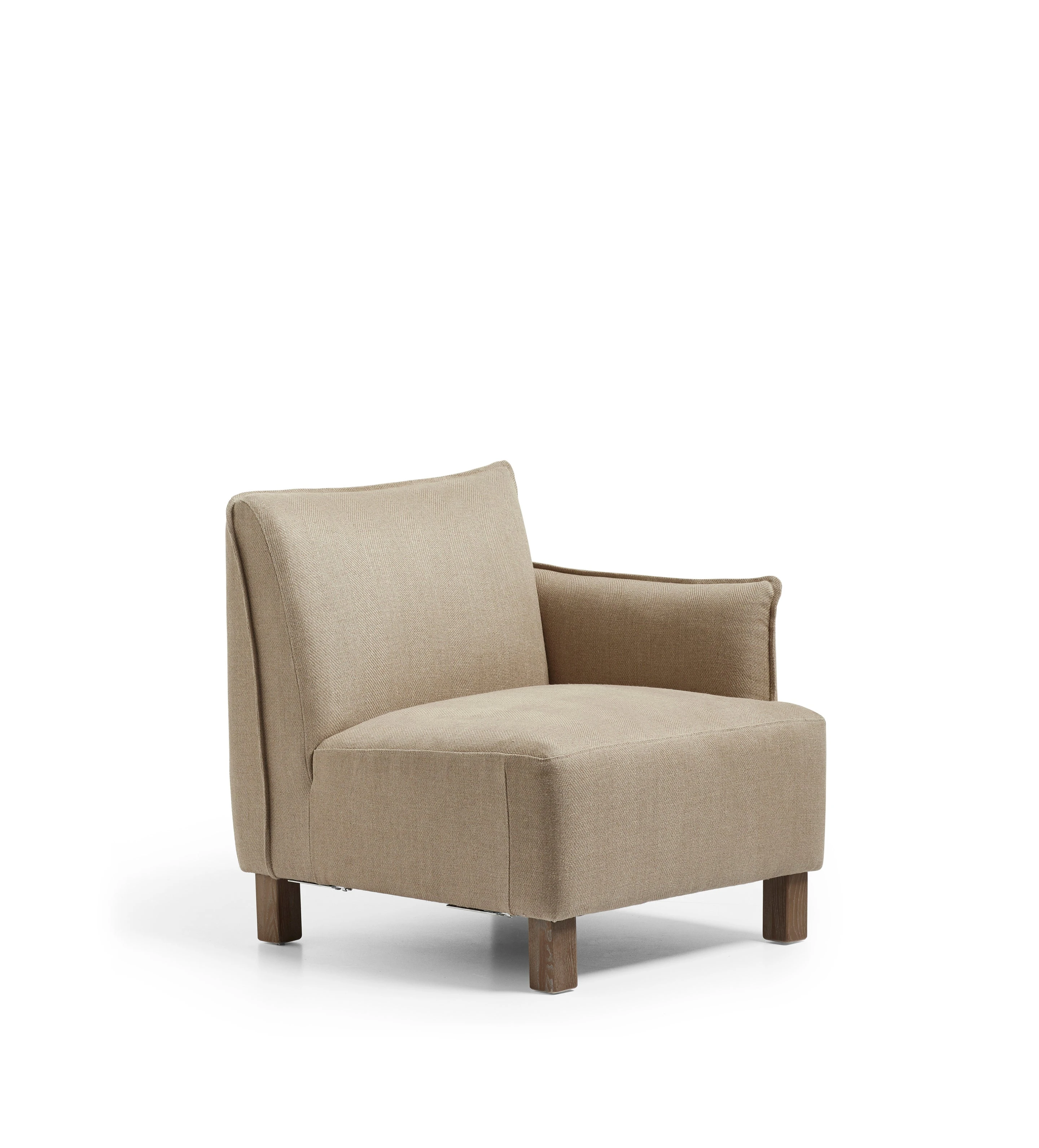
Performance fabrics have evolved dramatically. Today's high-quality performance textiles mimic the look and feel of natural fibres while resisting stains, moisture, and wear.
When to choose performance fabrics:
Families with children or pets
High-use living room seating
Dining chairs prone to spills
Light-coloured upholstery you love but fear ruining
What performance fabrics offer:
Stain resistance (liquids bead up)
Moisture resistance (spills wipe clean)
Durability (higher abrasion ratings)
Easy cleaning (many machine-washable)
Product Collection: Modern performance fabrics combining classic aesthetics with practical durability
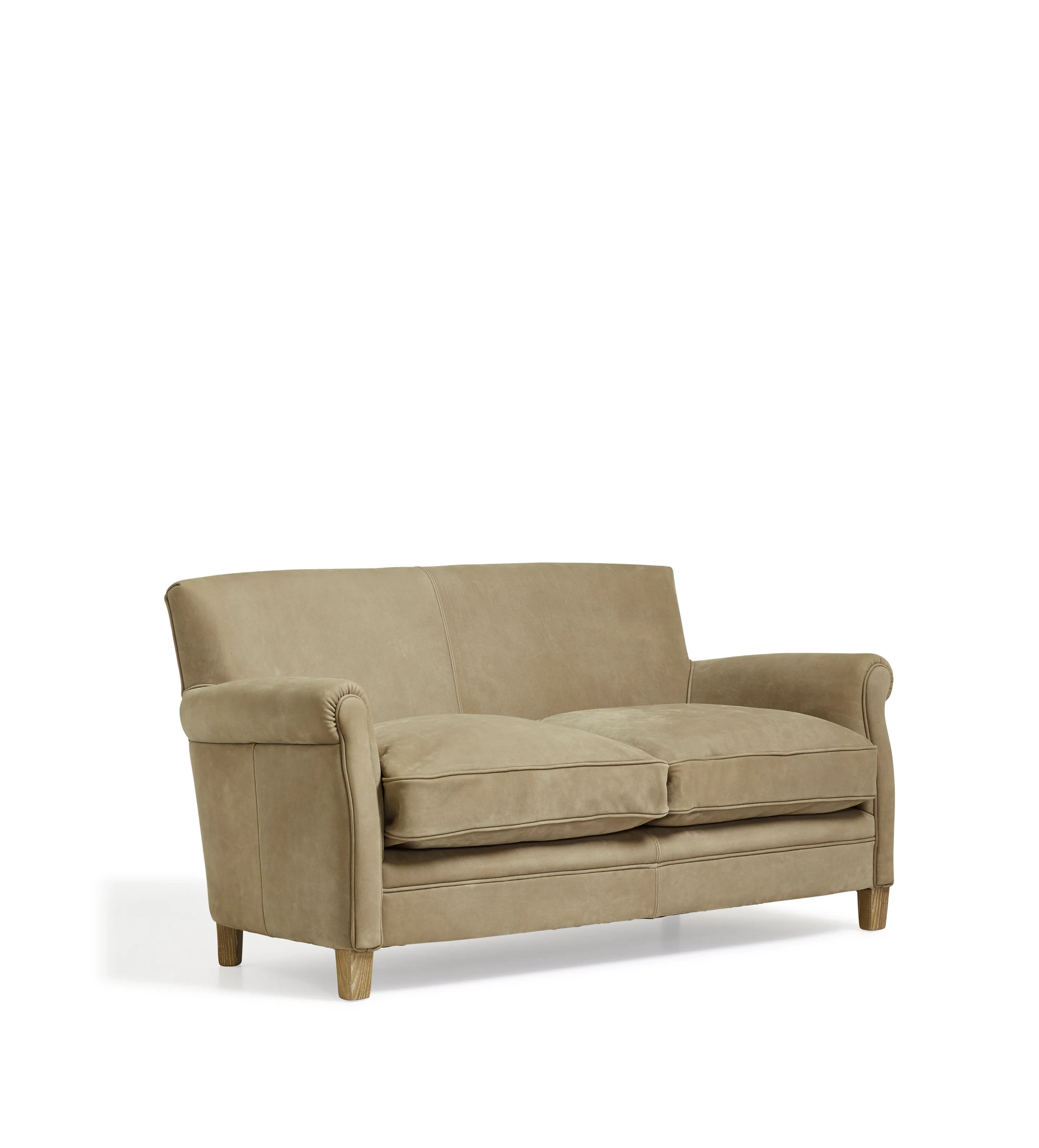
Texture Layering for Depth
Mixing textures creates a rich sensory experience:
Texture categories to layer:
Smooth: Leather, glass, polished wood
Nubby/Textured: Linen, boucle, wool
Soft/Plush: Velvet, chenille, down
Rough/Natural: Jute, sisal, raw wood
Example: Smooth leather sofa, nubby linen pillows, soft velvet throw, jute rug, polished wood coffee table.
Material Performance by Room Type
Living Room Materials
High-wear seating:
Performance fabrics or durable natural fibres
Leather
Avoid delicate silks, very light colours
Surfaces:
Wood with durable finish
Stone, marble, quartz
Metal and glass
Dining Room Materials
Chairs:
Performance fabrics if upholstered
Leather (wipes clean)
Wood seats (traditional, durable)
Table:
Hardwood with durable finish
Stone or quartz
Glass
Bedroom Materials
Bed frame:
Solid wood or quality veneers
Upholstered headboards in soft fabrics
Metal
Bedding:
Natural fibres (cotton, linen, silk) for breathability
Key Takeaways
Strategic material selection creates cohesive, functional homes:
Match materials to environment (coastal: light woods, urban: metals/leather, traditional: hardwoods)
Create through lines by repeating 1-2 key materials across rooms
Apply the 3-material rule: dominant (60%), secondary (30%), accent (10%)
Balance beauty and function
Consider performance fabrics for practical benefits
Layer textures for sensory depth
Protect from sun damage with UV films and strategic placement

