

Understanding Scale and Proportion in Furniture: The 60/40 Rule Explained
When furnishing a home, most people focus on individual items—finding the perfect sofa, the ideal dining table, the right bed frame. But professional designers approach furnishing differently. They think about relationships: how furniture relates to the room, how pieces relate to each other, and how the overall composition creates a functional, beautiful space.
Understanding scale and proportion is the foundation of good furniture selection. Get these right, and rooms feel balanced and comfortable. Get them wrong, and even beautiful individual pieces will feel awkward or cramped.
The 60/40 Rule: Balancing Furniture and Space
One of the most essential principles in furnishing is the 60/40 rule. This guideline states that furniture should occupy approximately 60% of your floor space, leaving 40% for negative space to support traffic flow and visual breathing room.
Why This Rule Matters
Overcrowded rooms feel claustrophobic and challenging to navigate. You're constantly squeezing between pieces, feeling hemmed in by furniture. Underfurnished rooms feel cold and unfinished, lacking the warmth and function that proper furniture provides. The 60/40 rule creates balance—enough furniture to make a space functional and inviting, with enough open space to move comfortably and let the room breathe.
How to Apply the 60/40 Rule
To apply this principle, measure your room's total floor area and mentally allocate space for furniture versus pathways. A 12x14 living room (168 square feet) should have roughly 100 square feet occupied by furniture footprints, leaving 68 square feet for movement and visual rest.
Here's a practical example:
Small Living Room (12' × 14' = 168 sq ft)
Furniture allocation: ~100 sq ft (60%)
Open space: ~68 sq ft (40%)
Works with: Medium 3-seater sofa (35 sq ft), coffee table (8 sq ft), two accent chairs (16 sq ft each), side table (4 sq ft), media console (20 sq ft)
Large Living Room (18' × 20' = 360 sq ft)
Furniture allocation: ~216 sq ft (60%)
Open space: ~144 sq ft (40%)
Works with: Large sectional sofa (80 sq ft), coffee table (12 sq ft), two accent chairs (16 sq ft each), console table (15 sq ft), media unit (30 sq ft), additional seating or storage
Common 60/40 Mistakes
Mistake 1: Pushing all furniture against walls This creates a "bowling alley" effect with dead space in the centre and furniture arranged like waiting room seating. Instead, float larger pieces away from walls to define spaces and improve traffic flow. A sofa pulled 12-18 inches from the wall creates a walkway behind it, making the seating area feel more intimate and intentional.
Mistake 2: Overcrowding with too many small pieces Ten small furniture items can occupy the same footprint as three larger pieces but create visual clutter. Fewer, properly scaled pieces create better flow than many undersized items.
Mistake 3: Leaving too much empty space Some people overcompensate for fear of clutter, leaving rooms sparse and unwelcoming. If your room feels echoey or cold, you've likely underfurnished. The 60% furniture coverage includes all pieces—not just seating.
Scale and Proportion: Understanding the Difference
Scale and proportion are often used interchangeably, but they mean different things. Both are critical to successful furnishing.
Scale: Furniture in Relation to the Room
Scale refers to how furniture relates to the room itself. Is this sofa appropriately sized for this living room? Does this dining table overwhelm the space or get lost in it?
Getting scale right starts with understanding your room's dimensions and character:
High ceilings (9 feet or higher) can accommodate taller pieces such as:
Wingback chairs with high backs
Floor lamps with substantial height (6-7 feet)
Tall bookcases and shelving units
Statement lighting fixtures
Furniture with vertical lines and height
Standard ceiling heights (8-8.5 feet) work best with furniture that stays low and horizontal:
Sofas with lower backs (32-36 inches)
Low-profile media consoles
Horizontal storage units
Table lamps rather than dramatic floor lamps
Furniture emphasising width over height
Proportion: How Pieces Relate to Each Other
Proportion refers to how furniture pieces relate to each other. Does this coffee table work with this sofa? Are these nightstands appropriate for this bed?
Well-proportioned rooms balance piece sizes. If you have a substantial sofa (84 inches long, 38 inches deep), pair it with a coffee table that's roughly 2/3 the sofa's length (around 48-60 inches). A tiny 30-inch coffee table would look lost beside a large sofa. Conversely, a massive 72-inch coffee table would dominate a small loveseat.
Proportion examples:
Coffee table: Should be 2/3 the length of your sofa and similar height (16-18 inches)
Nightstands: Should be level with or slightly below the top of your mattress
Dining chairs: Should allow 10-12 inches between chair seat and table surface
Rug in living room: Should extend beyond furniture, with at least front legs of seating on the rug
Art above sofa: Should be 2/3 the width of the sofa
Visual Weight: The Hidden Factor
Visual weight matters as much as physical size. A glass coffee table occupies the same footprint as a solid wood one, but feels lighter and takes up less visual space. This is crucial in smaller rooms or spaces where you want to maintain an open, airy feeling.
What Increases Visual Weight:
Dark colours (black, deep brown, navy)
Heavy materials (solid wood, marble, thick upholstery)
Ornate details (carving, tufting, decorative elements)
Bulk and mass (thick legs, substantial frames)
Solid, opaque surfaces
What Reduces Visual Weight:
Light colours (white, cream, pastels, natural wood tones)
Transparent or reflective materials (glass, acrylic, mirrors)
Clean lines and minimal ornamentation
Slender legs and frames (especially tapered legs)
Open designs (ladder-back chairs vs solid backs)
Use visual weight strategically. In a small room, choose lighter visual weight pieces even if you need the same physical footprint. In a large room with high ceilings, heavier visual weight prevents the space from feeling cavernous.
Scale Assessment: Questions Before You Buy
Before purchasing any significant piece, run through these quick scale assessment questions:
Room relationship:
Will this piece overwhelm the room or get lost in it?
Does it work with my ceiling height (tall pieces for high ceilings, low pieces for standard)?
Does its visual weight balance with the room's proportions?
Functional clearances:
Can I walk comfortably around it with 18-24 inches clearance minimum?
Will it block doorways, windows, or architectural features?
Can I open its doors, drawers, or components fully without hitting other furniture?
Proportional relationships:
Does this piece work with my existing anchor furniture?
If this is the anchor, what size supporting pieces will it require?
Are there specific proportion rules for this furniture type (coffee table to sofa, nightstand to bed)?
Testing in space:
Can I use painters' tape or cardboard to mark the footprint in my actual room?
Have I lived with these boundaries for a few days to test the scale?
Creating Visual Flow and Traffic Patterns
Furniture placement affects how people move through and use a space. Professional designers map traffic patterns before placing furniture, ensuring clear paths and comfortable circulation.
Minimum Clearances for Comfortable Movement
Understanding proper clearances prevents cramped, difficult-to-navigate rooms:
18-24 inches between furniture pieces This provides comfortable passage for one person without turning sideways. Use this spacing between a sofa and a side table, between accent chairs, or around the perimeter of a coffee table.
36 inches for main walkways Primary paths through a room—from the entrance to other rooms, or from seating areas to windows—need 36 inches to allow two people to pass comfortably or for one person to carry items through.
14-18 inches between sofa and coffee table This allows leg room for sitting while keeping the table within comfortable reach. Less than 14 inches feels cramped; more than 18 inches requires leaning forward uncomfortably to reach items.
48 inches behind dining chairs People need room to pull out chairs and sit down without bumping into walls or furniture behind them. Measure 48 inches from the table edge to any wall or furniture piece behind where chairs will be positioned.
30-36 inches beside beds Allow space for nightstands and comfortable movement. This clearance lets you make the bed, walk around comfortably, and access storage.
Floating Furniture Strategy
Floating furniture away from walls often improves traffic flow and makes rooms feel larger. This seems counterintuitive—wouldn't pushing everything against the walls create more space? In practice, floating pieces creates defined zones and more functional layouts.
Benefits of floating furniture:
Creates conversation areas that feel intimate and intentional
Defines separate zones in open-plan spaces
Allows walkways around furniture instead of creating barrier walls
Makes rooms feel designed rather than like furniture is just placed wherever it fits
Provides opportunities for console tables or lighting behind sofas
How to float successfully:
Pull your sofa 12-18 inches from the wall, using the space behind for a console table or walkway
Use rugs to define floating furniture groupings
Ensure the space behind floated pieces serves a purpose (pathway, console, or visual breathing room)
Maintain the 60/40 rule—floating doesn't mean filling the centre while leaving perimeter empty
Mapping Natural Movement
Consider how people naturally move through your space. Where are the entry and exit points? What's the path to the kitchen, bathroom, or outdoor areas? Furniture should guide movement, not obstruct it.
Traffic pattern planning: 1. Identify primary entry/exit points in the room 2. Mark the natural paths between these points 3. Ensure these paths have 36-inch clearance 4. Position furniture to define these paths, not block them 5. Create secondary paths (18-24 inches) for accessing furniture and features
Room-by-Room Scale Guidelines
Different rooms have different scale requirements based on function and typical dimensions.
Living Rooms
Small living rooms (under 200 sq ft):
Choose a single sofa or loveseat rather than a sectional
Use armless chairs to reduce visual weight
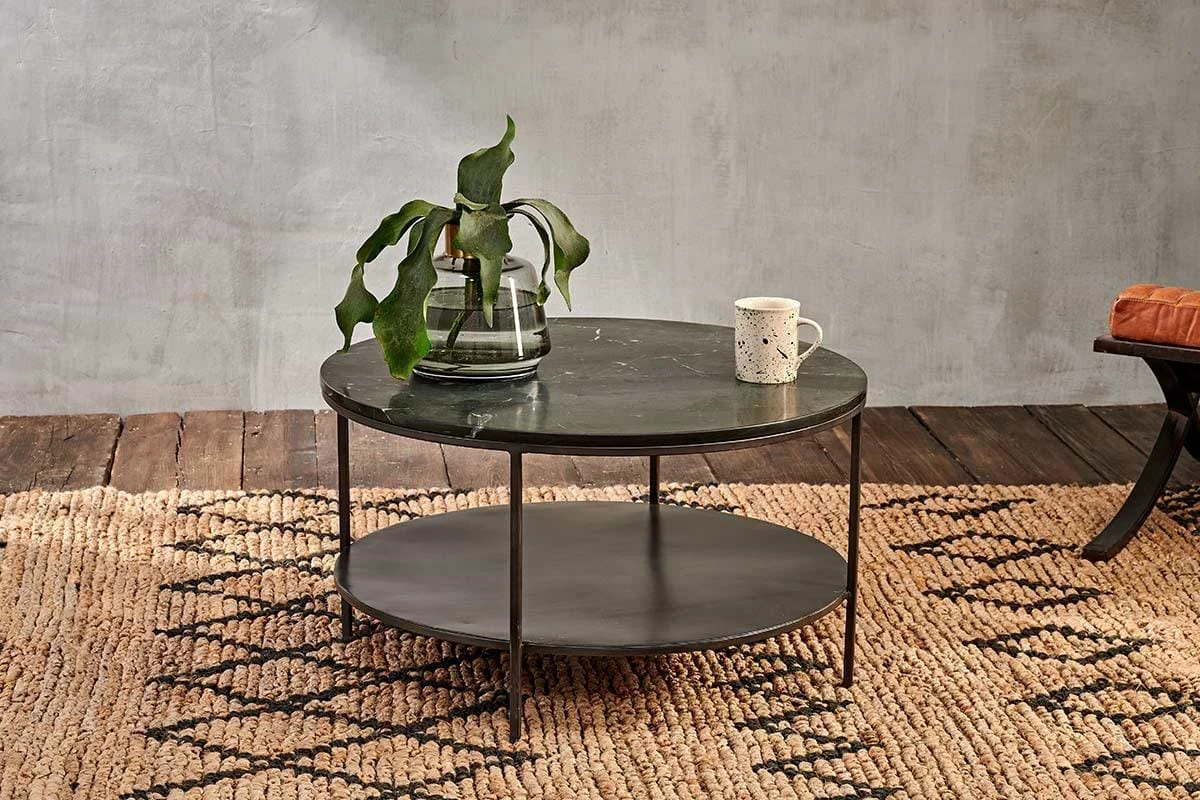
Select a coffee table with open design (glass top, thin legs)
Avoid large-scale patterns or bulky furniture
Consider furniture with exposed legs to create visual openness
Medium living rooms (200-350 sq ft):
Can accommodate a standard 3-seater sofa plus accent chairs
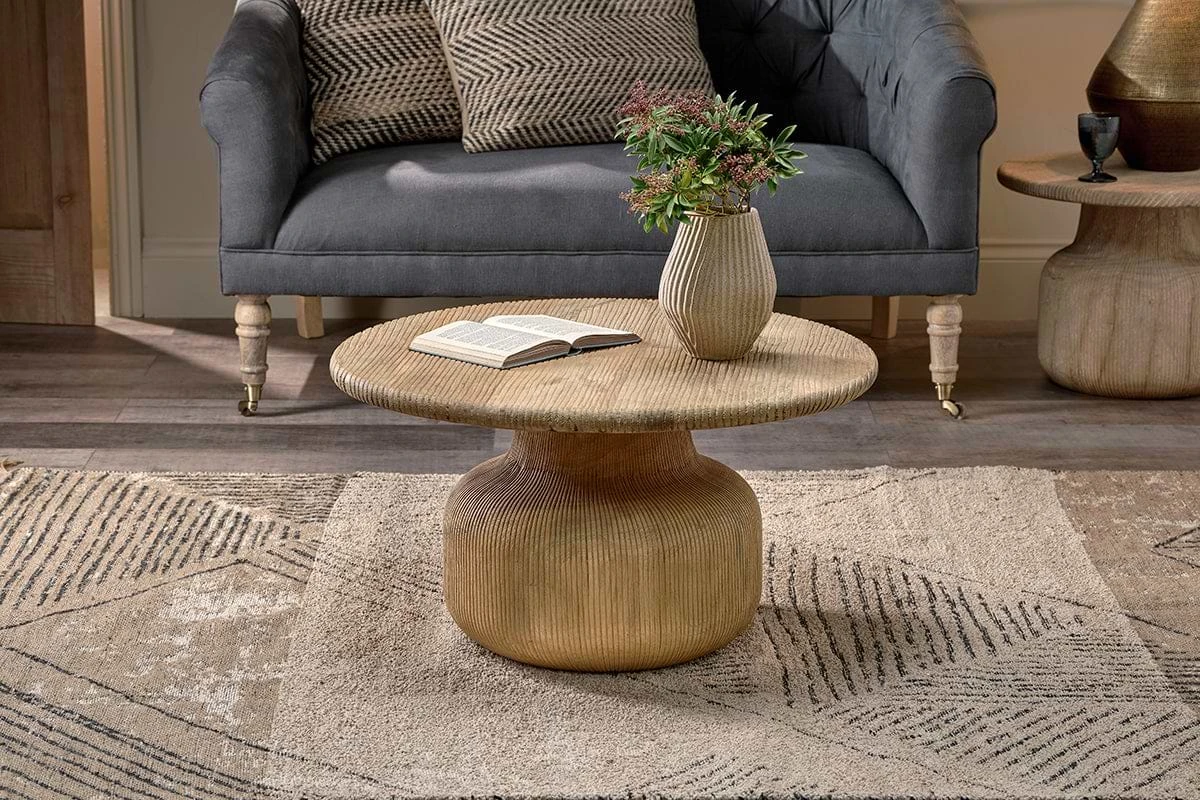
Coffee table should be substantial but not dominating
Room for media console or storage pieces
Can layer rugs and create defined zones
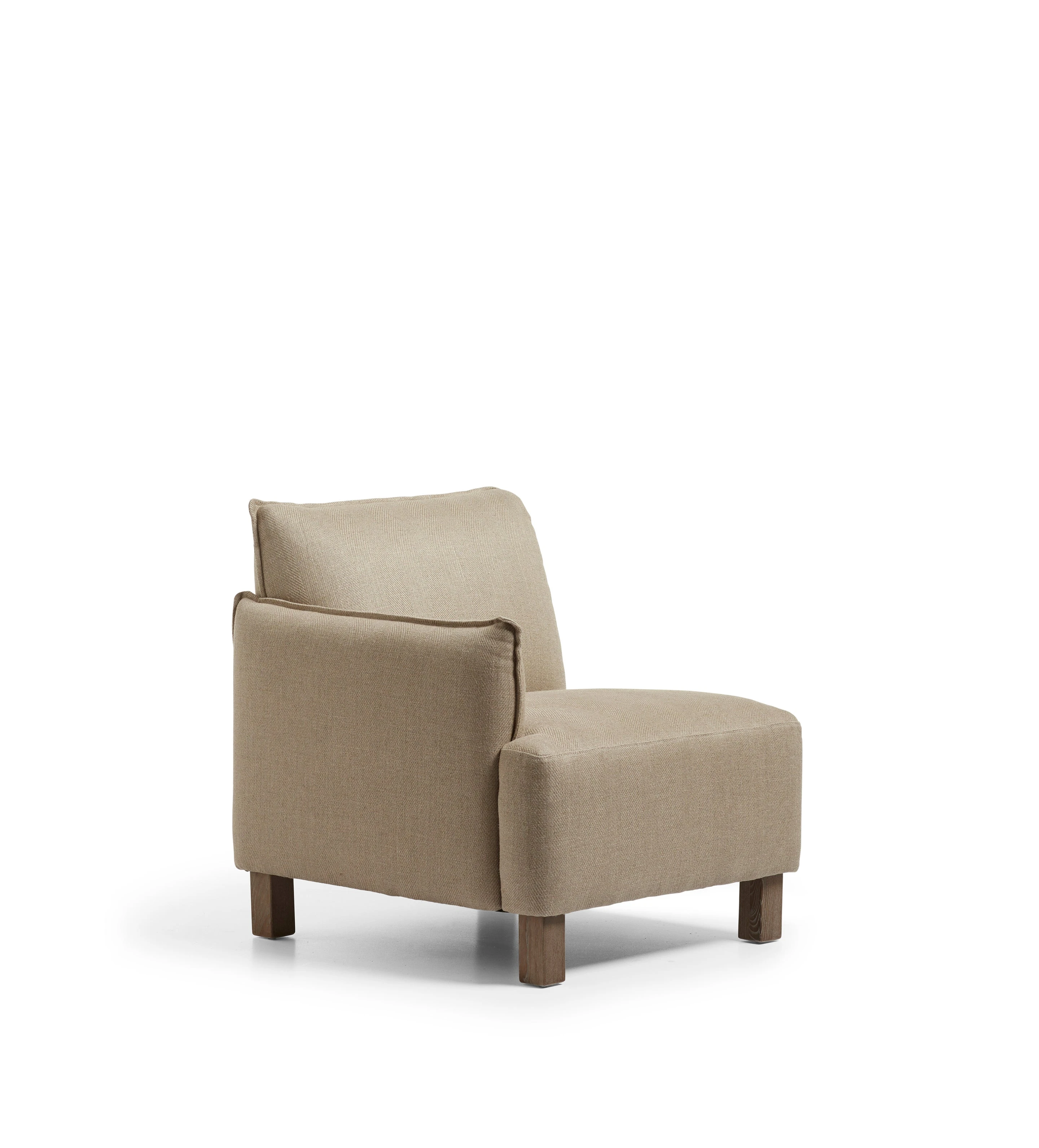
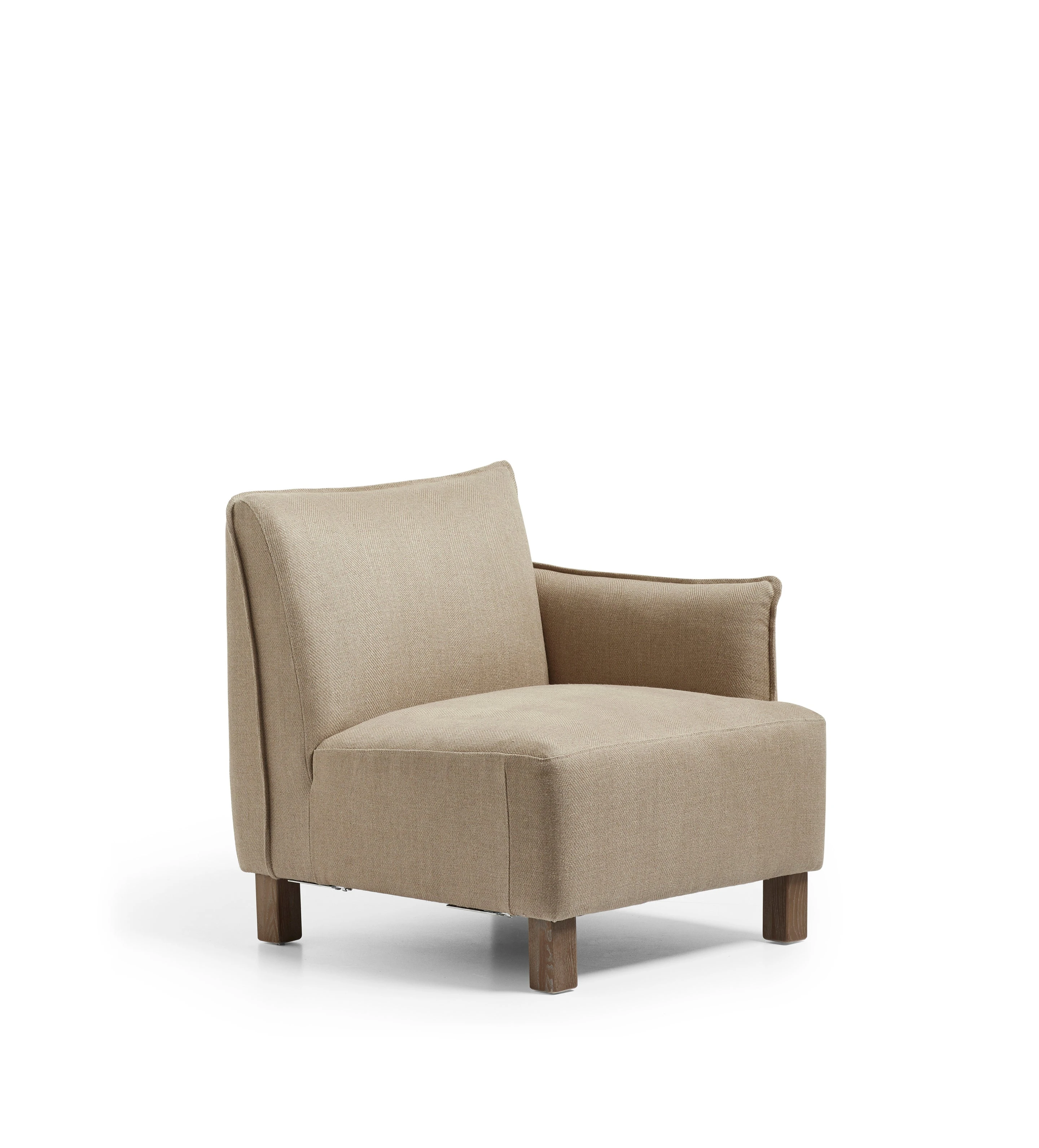
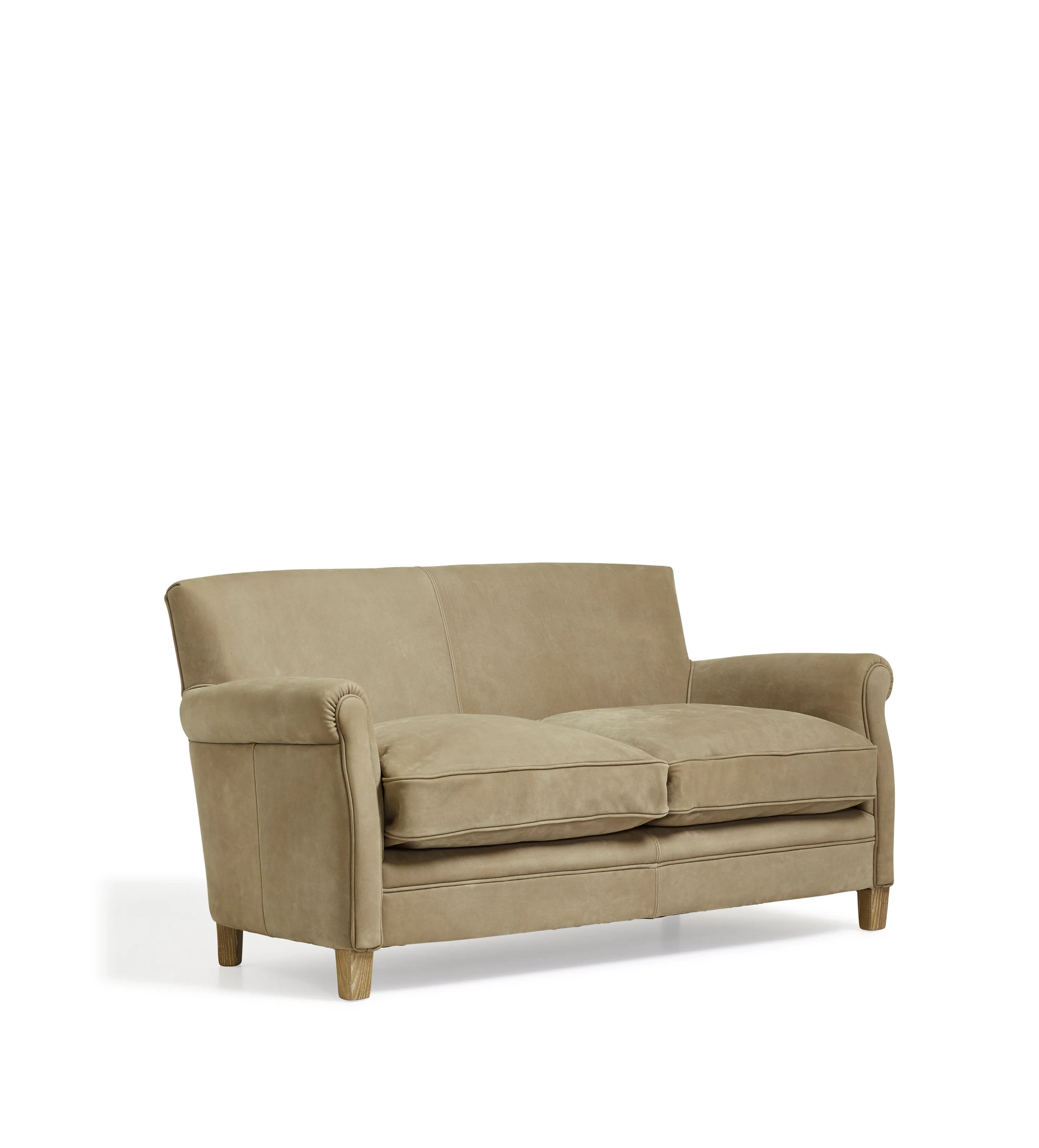
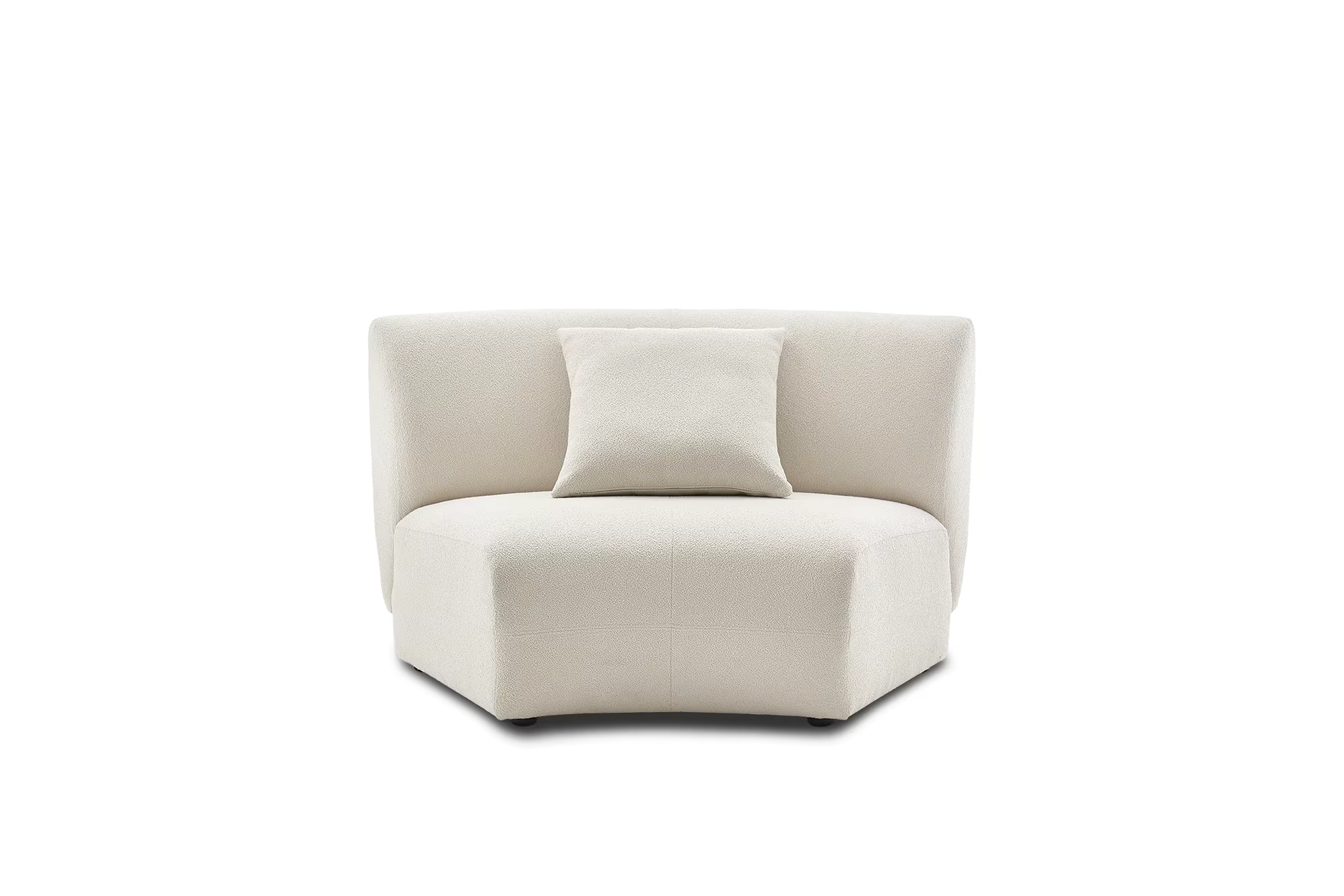
Product Collection: Ideal sofas for 200-350 square foot living rooms
Large living rooms (over 350 sq ft):
Sectionals or multiple seating groupings work well
Need larger-scale pieces to avoid feeling lost in space
Can create multiple activity zones (conversation, reading, TV watching)
Bigger furniture prevents cavernous feeling
Dining Rooms
Scale by table size:
4-person table (36-48 inches): Works in 10' × 10' room minimum
6-person table (60-72 inches): Needs 11' × 14' room minimum
8-person table (84-96 inches): Requires 14' × 16' room minimum
10+ person table (over 96 inches): Needs 16' × 18' room or larger
Remember to account for 48 inches of clearance behind pulled-out chairs on all sides.
Bedrooms
Scale by bed size:
Twin bed: Works in 10' × 10' room
Full bed: Needs 10' × 12' room minimum
Queen bed: Requires 11' × 13' room minimum
King bed: Needs 13' × 13' room minimum
These minimums account for 30 inches of clearance on both sides and at the foot of the bed, plus space for nightstands.
Common Scale Mistakes and How to Fix Them
Mistake 1: Furniture Too Large for the Room
Signs: Difficult to walk around furniture, room feels cramped, pieces touch or nearly touch each other
Fix: Replace the largest piece with a smaller-scale version. Often the sofa or bed is the culprit. A 90-inch sectional might need to become a 75-inch sofa. A king bed might need to downsize to a queen.
Mistake 2: Furniture Too Small for the Room
Signs: Room feels empty despite having furniture, pieces look lost in space, no sense of coziness
Fix: Upsize your anchor piece or add additional furniture to reach the 60% furniture coverage. In large rooms, create multiple furniture groupings rather than one undersized arrangement.
Mistake 3: Ignoring Ceiling Height
Signs: Tall furniture in low-ceiling rooms feels oppressive, low furniture in high-ceiling rooms feels dwarfed
Fix: Match furniture height to ceiling height. Rooms with 8-foot ceilings need low-profile pieces (sofas under 36 inches tall, low dressers, horizontal storage). Rooms with 9+ foot ceilings can handle taller pieces (high-back chairs, tall bookcases, substantial lighting).
Mistake 4: Mismatched Proportions Between Pieces
Signs: Coffee table looks too small for sofa, nightstands dwarf the bed, dining chairs look wrong with the table
Fix: Use proportion guidelines—coffee table 2/3 sofa length, nightstands level with mattress top, dining chairs with seats 10-12 inches below table surface. Replace the disproportionate piece.
Testing Scale Before You Buy
Don't guess at scale—test it in your actual space before purchasing:
Use painters' tape on the floor Mark the exact footprint of the piece you're considering. Live with these tape boundaries for several days. Walk around them, sit near them, use the space. Does it feel right?
Cut cardboard to size For larger pieces, cut cardboard boxes to approximate the size. Stand them up to test visual scale and height. This is especially helpful for testing media consoles, bookcases, or headboards.
Use online room planners Tools like RoomSketcher or Floorplanner let you input room dimensions and test furniture layouts digitally. While not a replacement for physical testing, they help you rule out obviously wrong-sized pieces.
Take room measurements shopping Keep a note on your phone with:
Room dimensions (length, width, height)
Doorway dimensions
Window locations and sizes
Existing furniture dimensions
Desired piece dimensions and clearances
This prevents falling in love with furniture that won't fit or work in your space.
Key Takeaways
Scale and proportion are foundational to successful furnishing:
Apply the 60/40 rule: 60% furniture coverage, 40% open space for movement and breathing room
Understand the difference: Scale is about furniture-to-room relationship; proportion is about how pieces relate to each other
Consider visual weight: Light, transparent materials feel smaller than dark, solid ones even at the same physical size
Maintain proper clearances: 18-24 inches between furniture, 36 inches for main walkways, specific clearances for different furniture types
Float furniture strategically: Pulling pieces away from walls often improves flow and creates better-defined spaces
Test before buying: Use tape, cardboard, or digital tools to verify scale in your actual space
Getting scale and proportion right transforms rooms from collections of furniture into cohesive, comfortable spaces. It's worth taking the time to measure, test, and verify before making significant purchases.
Frequently Asked Questions
What is the 60/40 rule in furniture? The 60/40 rule states that furniture should occupy approximately 60% of your floor space, leaving 40% for negative space to support traffic flow and visual breathing room. This creates balance between functionality and openness in a room.
What's the difference between scale and proportion in furniture? Scale refers to how furniture relates to the room (is this sofa too big for this living room?). Proportion refers to how furniture pieces relate to each other (does this coffee table work with this sofa?). Both are essential for well-balanced rooms.
How much space should be between furniture pieces? Maintain 18-24 inches between furniture pieces for comfortable single-person passage, 36 inches for main walkways where two people might pass, 14-18 inches between a sofa and coffee table, and 48 inches behind dining chairs for pulling out and sitting.
How do I know if furniture is the right scale for my room? Measure your room dimensions and the furniture footprint. Ensure adequate clearances (18-24 inches between pieces). For ceiling height, pieces taller than 5 feet work best with ceilings 9 feet or higher. Test scale using painters' tape or cardboard in your actual space before purchasing.
What is visual weight in furniture? Visual weight refers to how heavy or substantial a piece appears, independent of its actual physical size. Dark colours, solid materials, and ornate details increase visual weight. Light colours, transparent materials, and clean lines reduce it. This affects how much space a piece "feels" like it takes up.
Should furniture be against the wall or floating? Floating furniture away from walls often improves traffic flow and creates better-defined spaces. A sofa pulled 12-18 inches from the wall with a console table or walkway behind it makes a room feel more intentional than everything pushed against walls, which creates a "bowling alley" effect.
How do I fix furniture that's too large for my room? Replace the oversized piece with a smaller-scale version. Often the sofa, sectional, or bed is the culprit. Alternatively, remove other furniture to improve clearances, though this is rarely the best solution. Prevention through measuring and testing scale before purchasing is ideal.
How tall should furniture be for an 8-foot ceiling? For standard 8-foot ceilings, choose furniture that emphasises width over height. Sofas should be under 36 inches tall, avoid high-back chairs, use low-profile storage, and select horizontal rather than vertical elements. Save tall pieces for rooms with 9+ foot ceilings.


