

Biophilic Design: How to Bring Nature Into Your Home
Key Takeaways
Biophilic design can reduce stress hormones (cortisol) by 13–16% (Park et al., 2010)
The 3 core pillars: Direct Nature, Natural Materials, and Spatial Harmony
Best low-maintenance plants for UK homes: Snake Plant, Pothos, Ferns
Start with natural light optimisation—it's free and immediately impactful
You walk into a room and your shoulders instantly drop. The air feels fresher, the light softer. You can't quite explain it, but you don't want to leave. It isn't magic—it's biophilic design.
A potted fern on the desk is well-intentioned, but it's a pale reflection of what biophilic design can achieve. True biophilic design isn't about scattering plants around a room—it's about every material, surface, and spatial choice working together to reconnect you with nature. That's why choosing the right furniture matters as much as choosing the right houseplant.
This practical guide covers the principles, room-by-room applications, and sustainable furniture UK retailers offer to bring nature-inspired interiors into British homes.
---
What Is Biophilic Design?
Biophilic design integrates natural elements, materials, and patterns into built environments. The term comes from "biophilia"—literally "love of life"—a concept popularised by biologist E.O. Wilson in 1984. His research showed that humans have an innate tendency to seek connections with nature, a drive shaped by millennia of evolution.
In interior design, this translates to spaces that incorporate:
Direct nature: Plants, water features, natural light
Indirect nature: Natural materials, organic shapes, nature-inspired patterns
Spatial qualities: Varied ceiling heights, prospect and refuge, mystery
The difference between biophilic design and simply "adding plants" is intention. True biophilic design considers how every element—light, texture, form, material—connects occupants to the natural world.
---
Why is biophilic design good for mental health?
The benefits extend far beyond aesthetics. Research consistently demonstrates measurable improvements in wellbeing:
Benefit | Research Finding | Source |
|---|---|---|
Stress Reduction | Salivary cortisol 13.4% lower after viewing and 15.8% lower after walking in forest vs city settings | Park et al., Environmental Health and Preventive Medicine (2010) |
Focus & Productivity | Office plants increased productivity by approximately 15% | Nieuwenhuis et al., Journal of Experimental Psychology: Applied (2014) |
Sleep Quality | Workers with window access slept 46 minutes longer on average | Boubekri et al., Journal of Clinical Sleep Medicine (2014) |
These aren't conscious preferences like choosing vanilla over chocolate. They're physiological responses hardwired into our nervous systems over millions of years of evolution. Our ancestors who felt calm near water, alert in open spaces, and safe among trees were the ones who survived. Those neural pathways haven't disappeared just because we now live in flats and work at desks—they've simply gone unmet.
For homes specifically, biophilic design creates spaces that feel genuinely restorative—a significant advantage given how much time we spend indoors. Hospital patients with views of nature recover faster than those facing brick walls, and the same principles apply to everyday living.
---
What are the key principles of biophilic design?
1. Maximise Natural Light
Light is the foundation. Our bodies evolved to respond to natural light cycles, and interiors that prioritise daylight feel fundamentally different from artificially lit spaces.
Practical applications:
Remove heavy curtains and switch to sheer linen or cotton
Position mirrors to bounce light deeper into rooms
Keep window areas clear of furniture that blocks light
Consider light tubes or skylights for interior rooms
Use light-coloured walls and ceilings to amplify brightness
The goal isn't eliminating artificial lighting—it's ensuring natural light dominates during daylight hours. Even north-facing rooms benefit from maximising whatever light is available.
Why changing light matters: Static bright light isn't the same as natural daylight. What makes natural light special is how it shifts—in colour temperature, intensity, and direction—as the sun moves across the sky. This dynamic quality helps regulate your circadian rhythm, improving sleep, mood, and alertness. Position furniture to catch these shifts: a reading chair that gets warm afternoon light, a dining table that glows at golden hour.
2. Incorporate Living Plants
Greenery is the most recognisable element of biophilic design, but placement matters as much as quantity. Scattered small plants have less impact than thoughtfully positioned larger specimens or grouped arrangements.
Best indoor plants for low light London flats and UK homes:
Pothos and Philodendrons: Thrive in low light typical of British winters, forgiving of neglect
Snake plants: Almost impossible to kill, excellent air purifiers for biophilic bedroom ideas
Fiddle leaf figs: Statement pieces for bright corners
Monstera deliciosa: Dramatic leaves, tolerates the shade common in north-facing UK rooms
Ferns: Perfect for bathrooms and humid spaces
Placement principles:
Create focal points with larger plants at entry points or corners
Group smaller plants at varying heights for visual interest
Use trailing plants on high shelves or in hanging planters
Position air-purifying species in bedrooms and home offices
3. Choose Natural Materials
Materials carry enormous sensory weight. A wooden table feels different from a plastic one—warmer, more grounding, connected to something real. Biophilic interiors prioritise materials that look, feel, and even smell natural.
Key natural materials furniture UK retailers offer:
Solid wood: Oak, walnut, ash, teak—grain patterns and organic imperfections add character
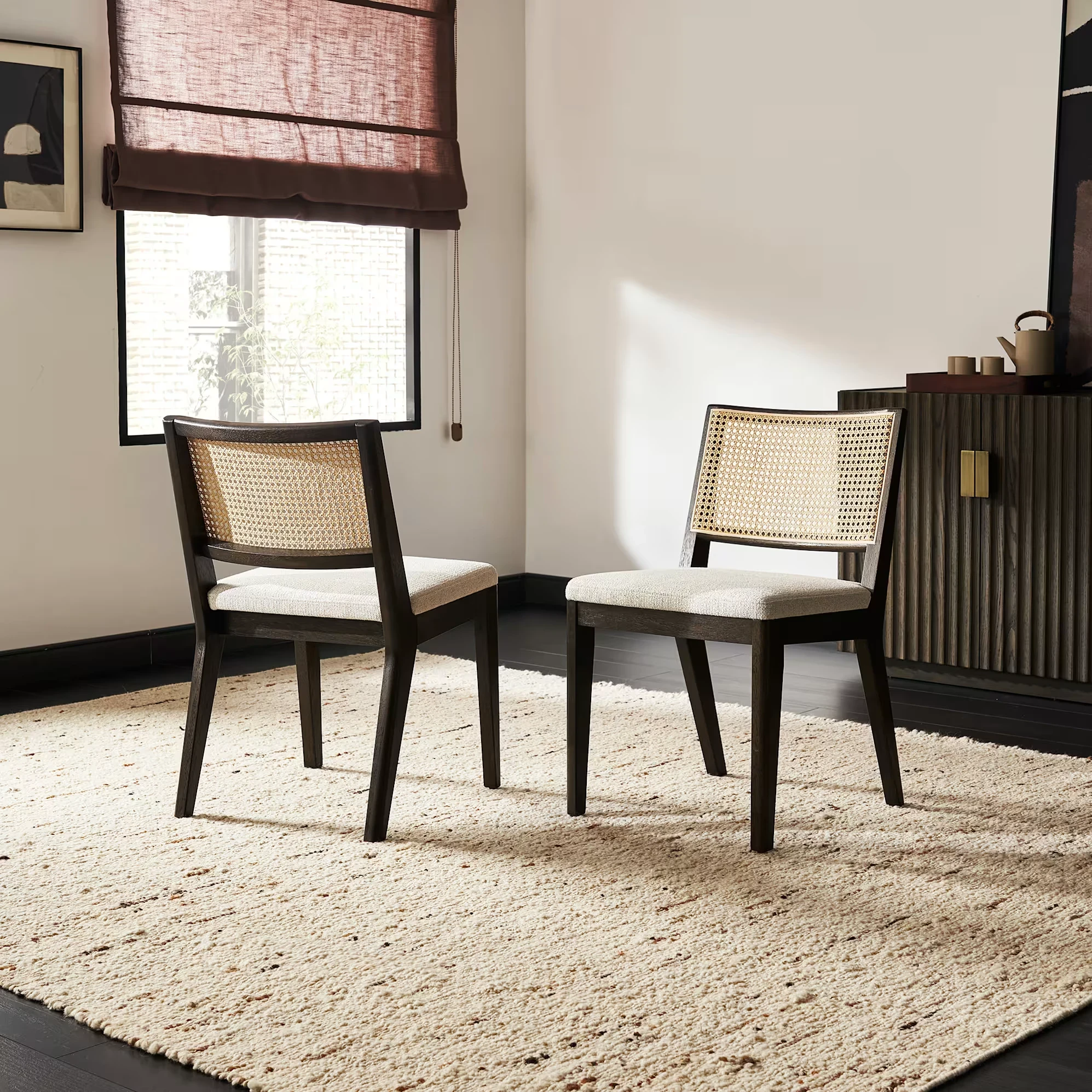
Rattan and cane: Lightweight, textural, excellent for chairs and storage
Stone: Marble, slate, terrazzo for counters, tables, and accessories
Natural textiles: Linen, cotton, wool, jute—breathable and tactile
Leather: Ages beautifully, develops unique patina
Cork: Sustainable, warm underfoot, excellent acoustics
Ceramic and clay: Handmade pottery, terracotta planters
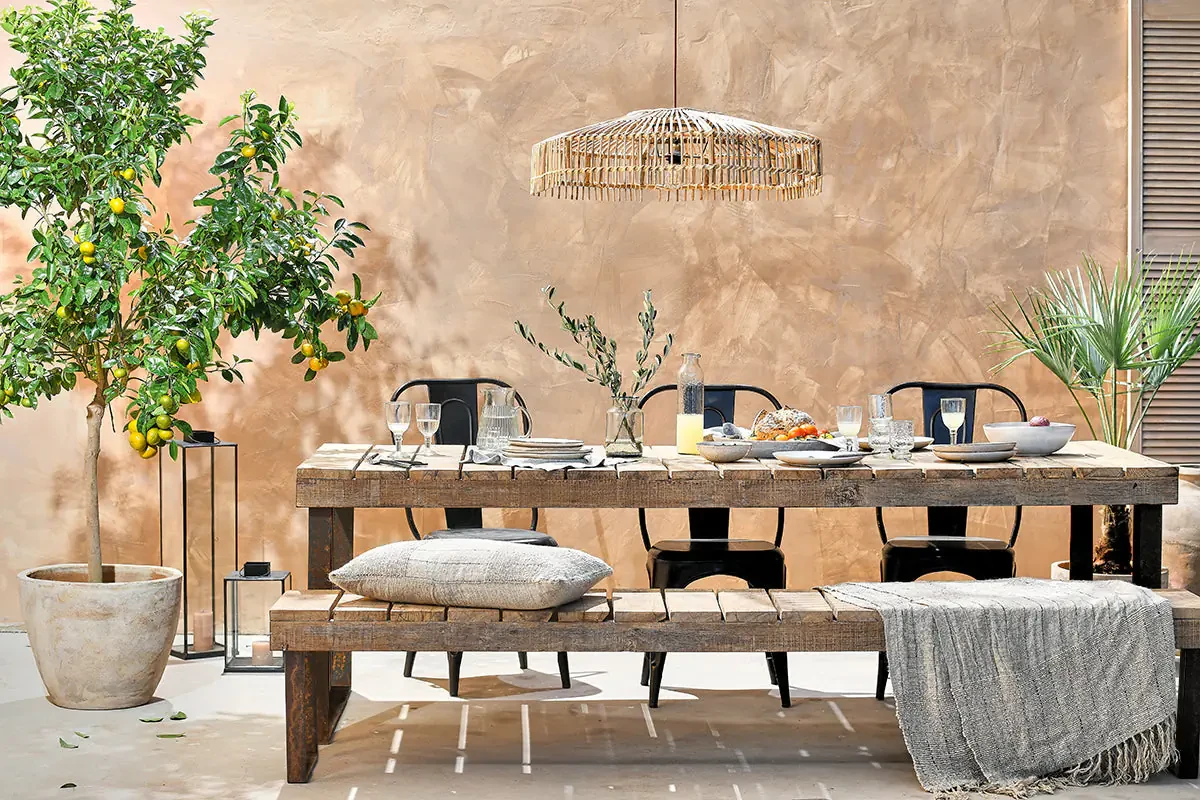
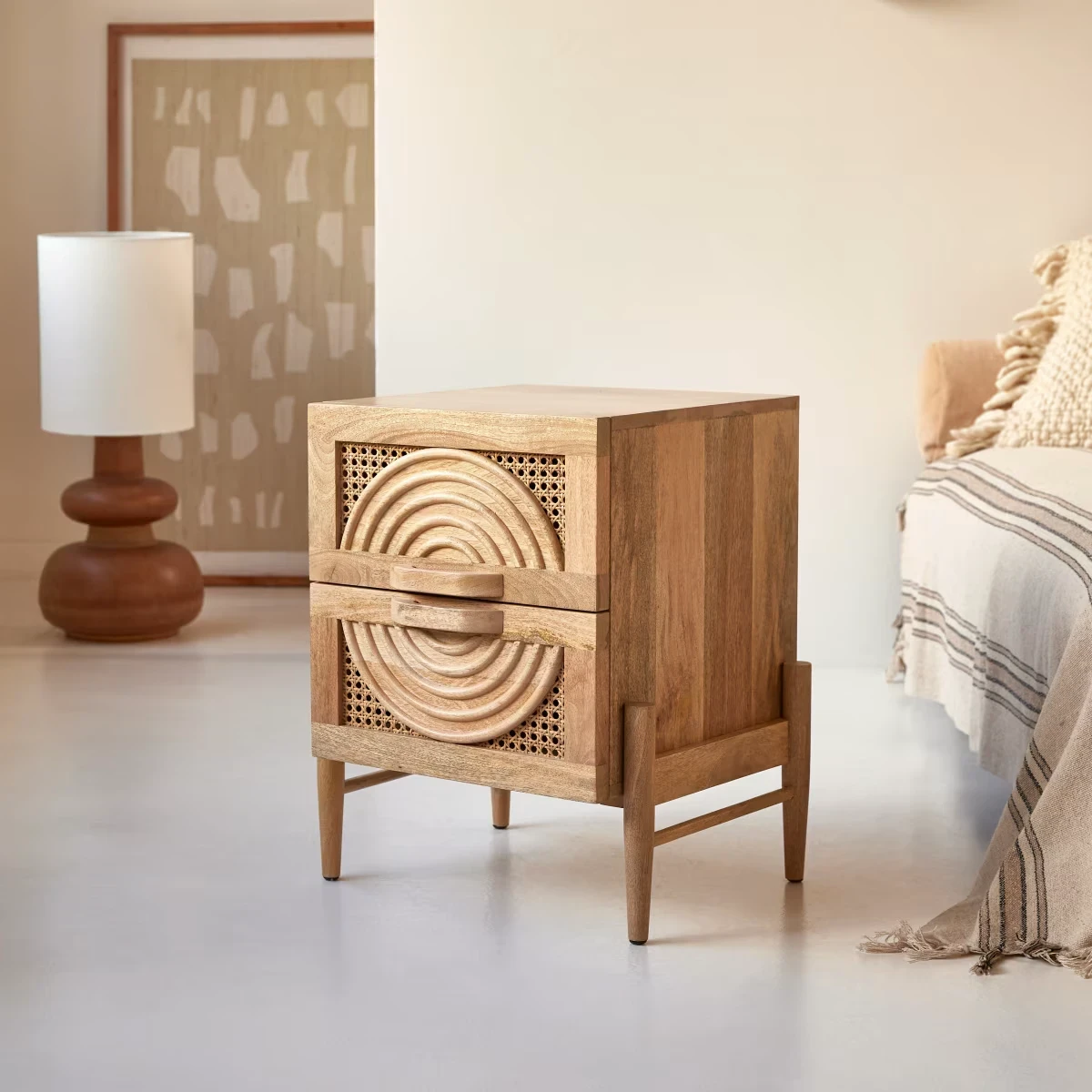
The 60/30/10 rule works well here: 60% dominant natural material (wood floors, large furniture), 30% secondary material (stone counters, leather seating), 10% accent (ceramic objects, metal hardware).
4. Embrace Organic Shapes and Patterns
Nature rarely produces perfect straight lines or sharp corners. Biophilic spaces favour curves, irregular edges, and organic forms that echo the natural world.
In furniture:
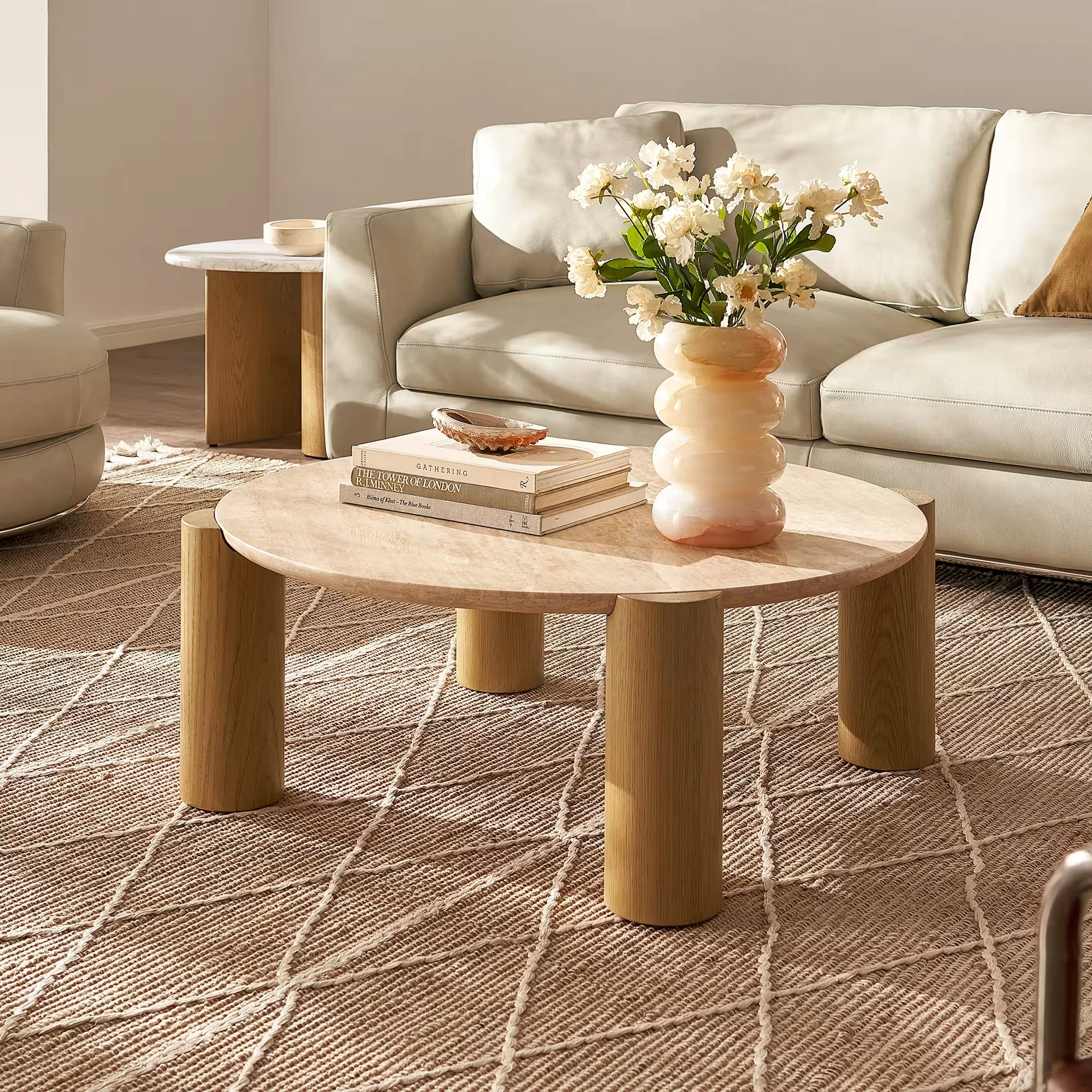
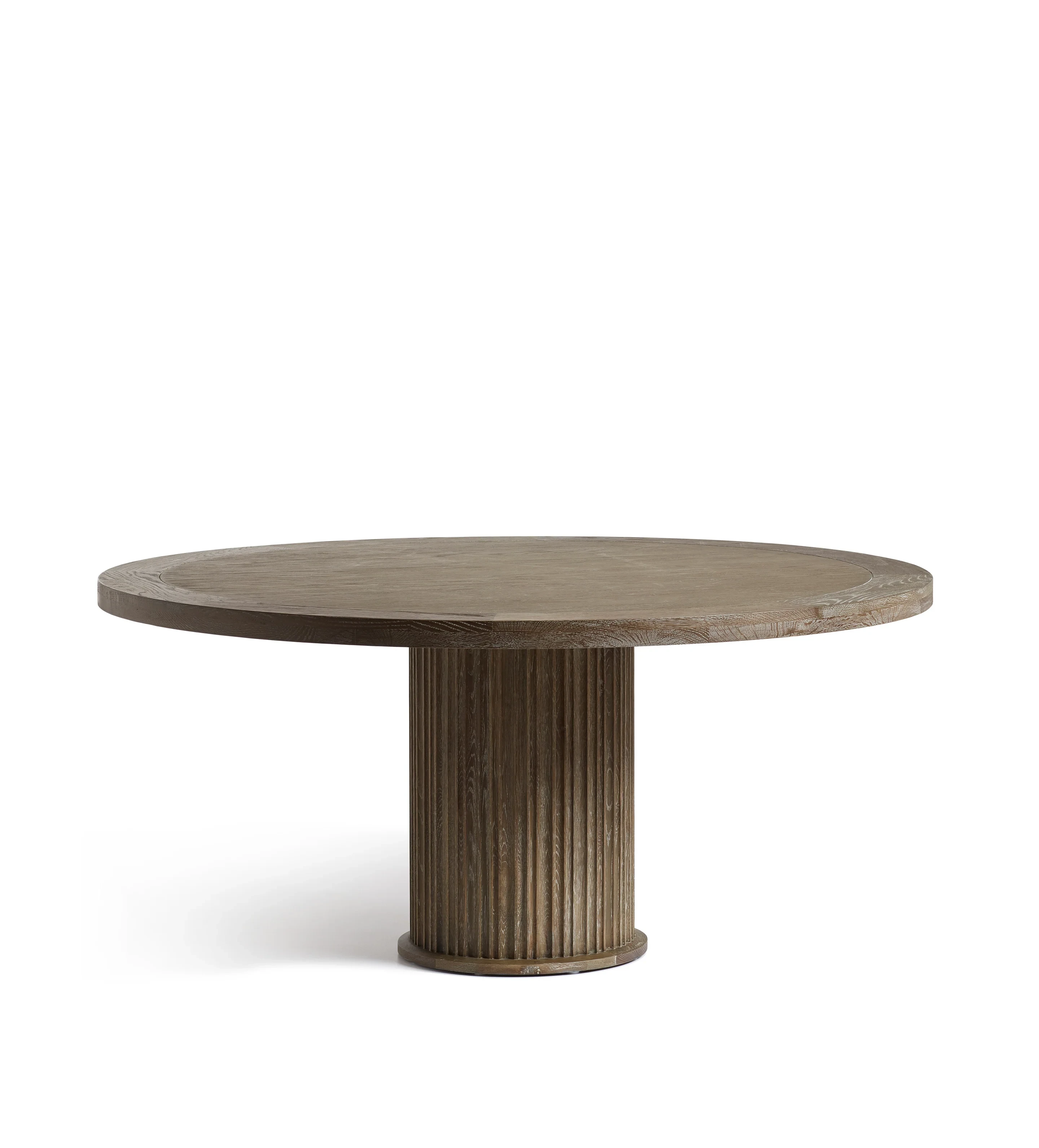
Rounded dining tables and coffee tables
Curved sofas and armchairs
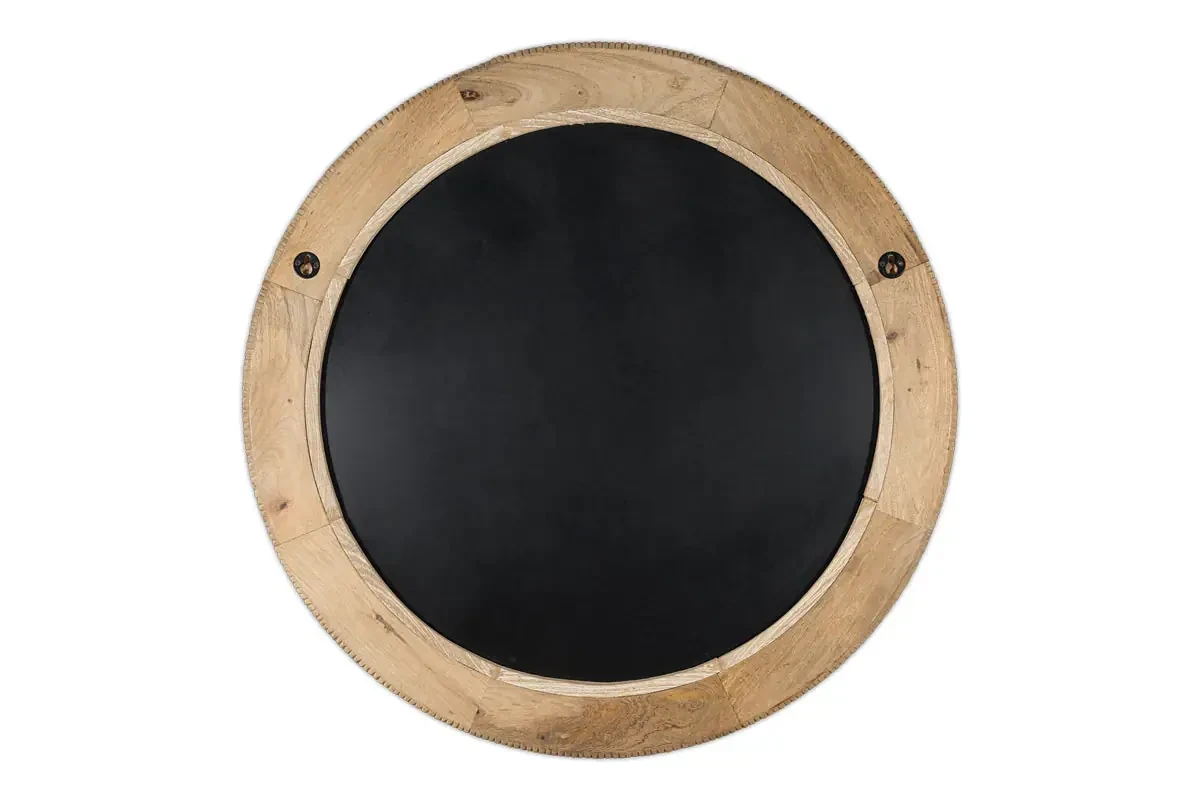
Organic-shaped mirrors and lighting
Sculptural accent pieces
In patterns:
Botanical prints on textiles
Terrazzo or marble with natural veining
Fractals and branching patterns
Wave and water-inspired motifs
The science of fractals: Fractals are patterns that repeat at different scales—think tree branches, coastlines, or the veins in a leaf. Research by physicist Richard Taylor found that viewing mid-complexity fractal patterns can reduce physiological stress by up to 60% within just one minute. The remarkable part? This happens even when people aren't consciously aware they're looking at fractals. Look for furniture with natural wood grain, textiles with organic patterns, or decorative objects that echo nature's geometry.
This doesn't mean eliminating all geometry—clean lines have their place. But introducing organic elements softens interiors and creates visual flow.
5. Connect to Views and Nature
Where possible, biophilic design extends sightlines to the outdoors. Windows become framed artworks. Gardens become extensions of interior space.
For homes with outdoor access:
Position seating to face windows with the best views
Create indoor-outdoor flow with consistent flooring materials
Use large-format glazing to blur boundaries
Frame views with furniture placement
For flats and urban homes:
Create "nature scenes" with clustered plants near windows
Add window boxes or balcony gardens
Use large-scale landscape photography or nature art
Position desks and reading chairs to maximise available views
Even a glimpse of sky or a single tree makes a difference. Work with what you have.
6. Engage Multiple Senses
Biophilic design goes beyond the visual. True nature connection involves sound, smell, touch, and even taste.
Sound:
Small water features create calming ambient noise
Wind chimes near open windows
Reduce harsh acoustic surfaces with soft textiles
Consider nature soundscapes for work or sleep
Smell:
Fresh flowers and aromatic herbs
Natural beeswax or soy candles
Essential oil diffusers (eucalyptus, cedar, pine)
Avoid synthetic air fresheners
Touch:
Varied textures—smooth stone, rough linen, soft wool
Natural fibre rugs underfoot
Weathered wood with tactile grain
Handmade ceramics with surface variation
7. Balance Prospect and Refuge
Prospect and refuge is one of biophilic design's most powerful—and least understood—principles. We're hardwired to prefer spaces that offer both: open views that let us survey our surroundings (prospect) and cosy, enclosed areas where we feel protected (refuge).
In practice:
A living room needs both an open seating area facing windows AND a snug reading nook or corner armchair
High ceilings feel expansive, but you also need intimate zones—a canopy bed, a window seat, a sheltered desk area
Furniture arrangement should create defined spaces within larger rooms, not just push everything against walls
The goal isn't choosing between open and enclosed—it's offering both, so you can move between them depending on your mood and task.
Creating mystery: Related to this is the principle of mystery—spaces that don't reveal everything at once. A hallway that curves, a bookshelf that partially screens a room, a garden glimpsed through a doorway. These elements engage curiosity and make spaces more memorable. You don't need architectural changes: a tall plant that partially obscures a corner, or furniture arranged to create distinct "zones" within a room, achieves the same effect.
---
Room-by-Room Guide to Biophilic Design
Living Room
The living room offers the most opportunity for biophilic transformation. It's where you spend leisure time, entertain guests, and need genuine relaxation.
Priority changes:
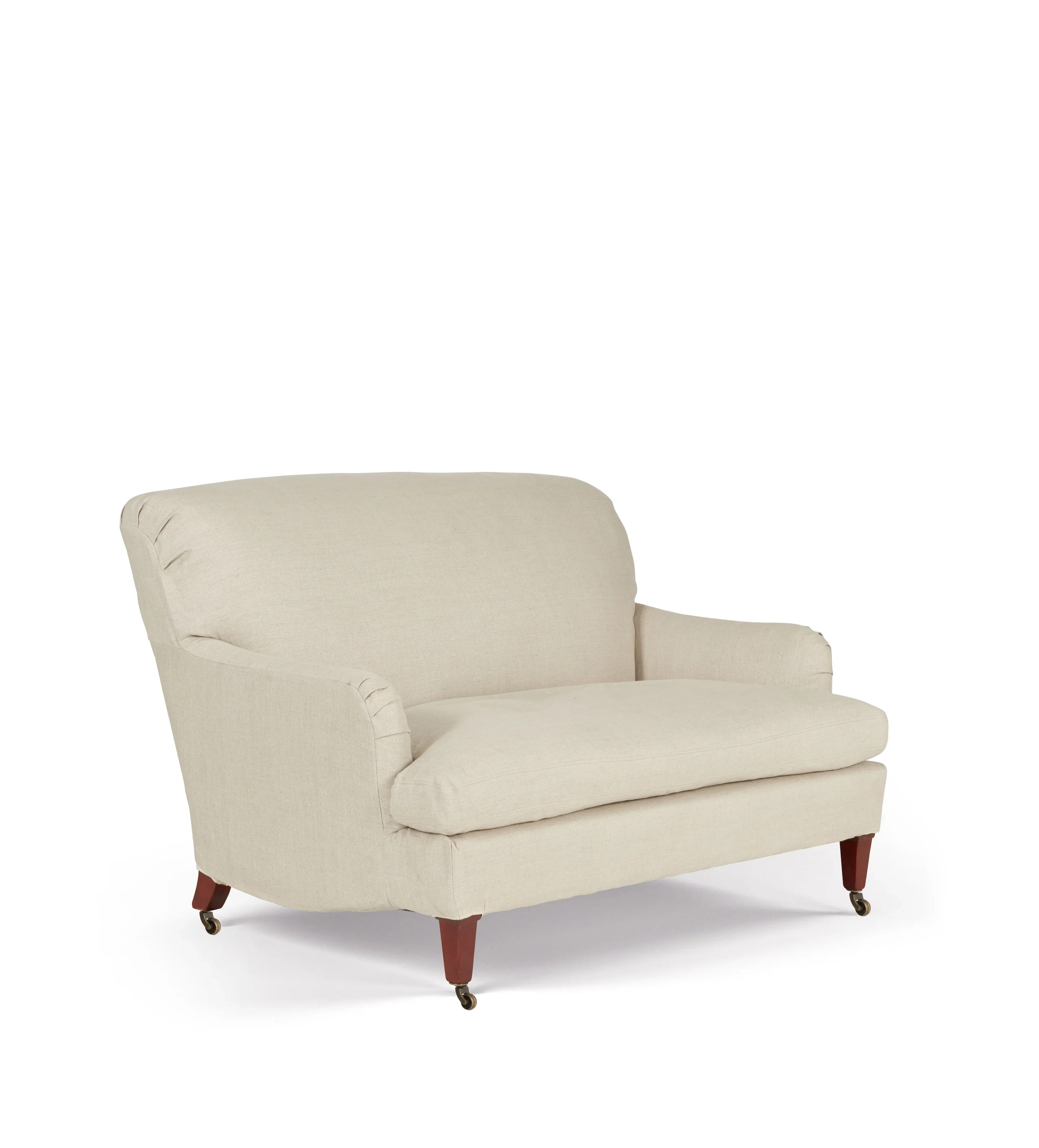
Seating in natural materials: A leather or linen sofa anchors the room with organic textures
Statement plant: One large specimen (fiddle leaf, monstera, or palm) creates immediate impact
Natural light optimisation: Sheer curtains, clear window areas, light-reflecting surfaces
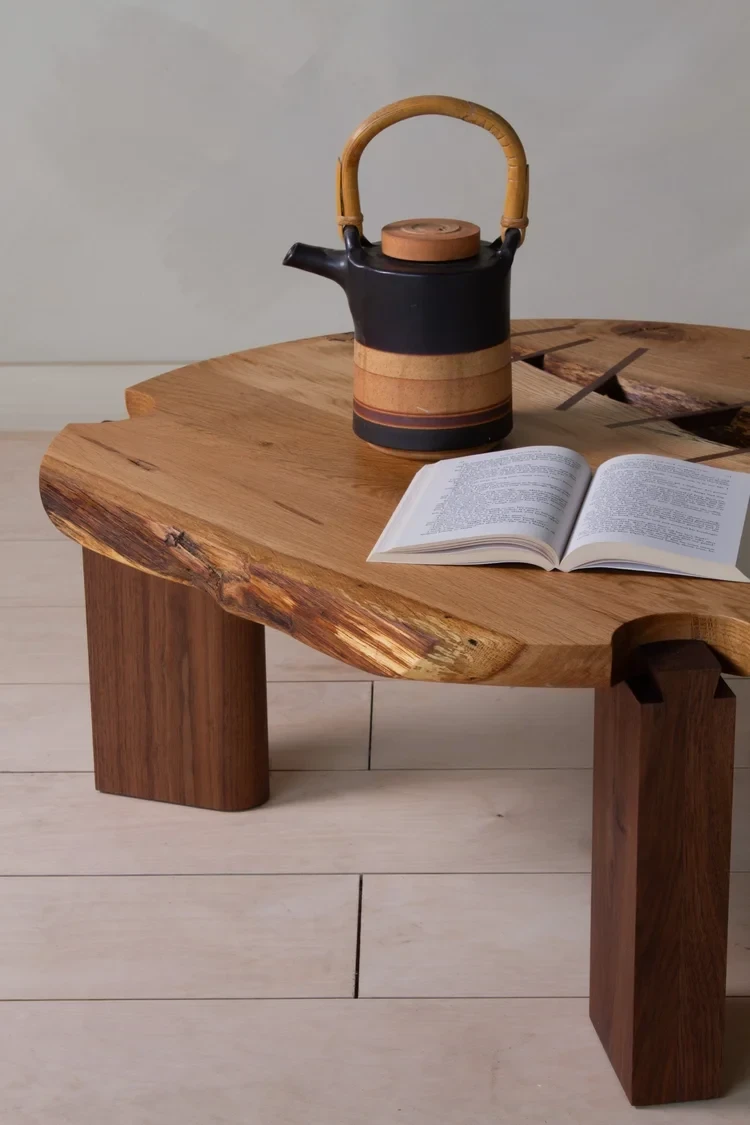
Wood and stone surfaces: Coffee tables, side tables, or console in solid wood or marble
Textural layers: Wool throws, linen cushions, jute rugs
Quick wins:
Replace plastic planters with terracotta or ceramic
Add a natural fibre rug over hard flooring
Swap synthetic cushion covers for linen or cotton
Group books with nature themes as decorative elements
Bedroom
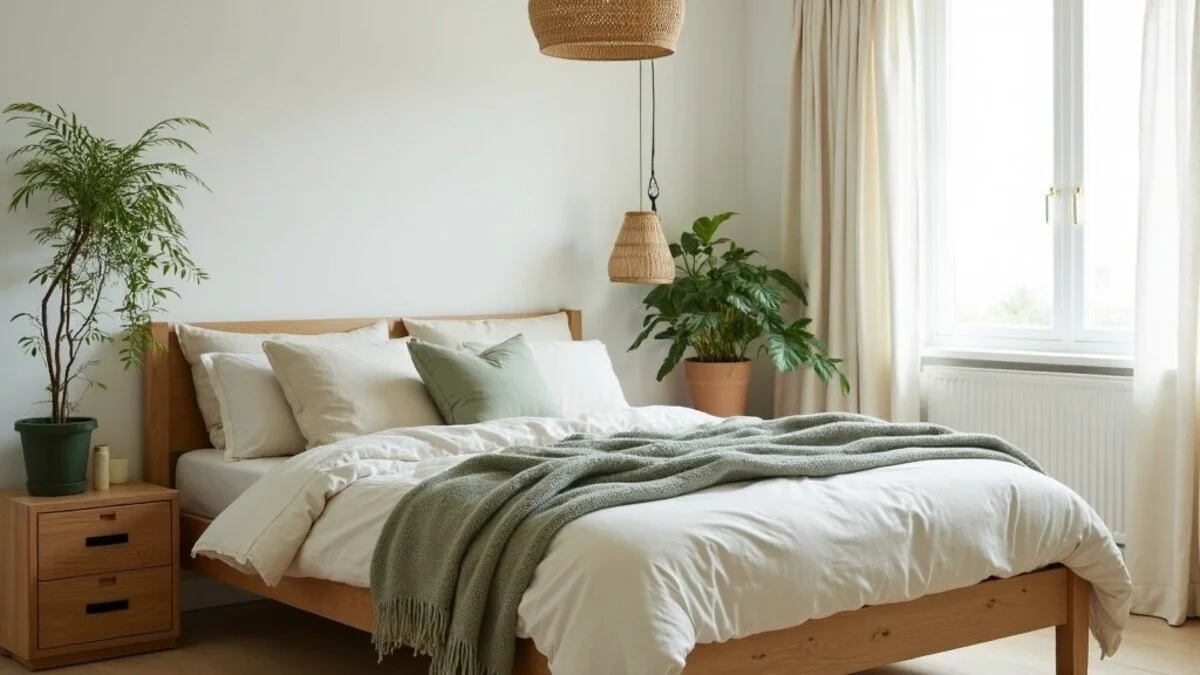
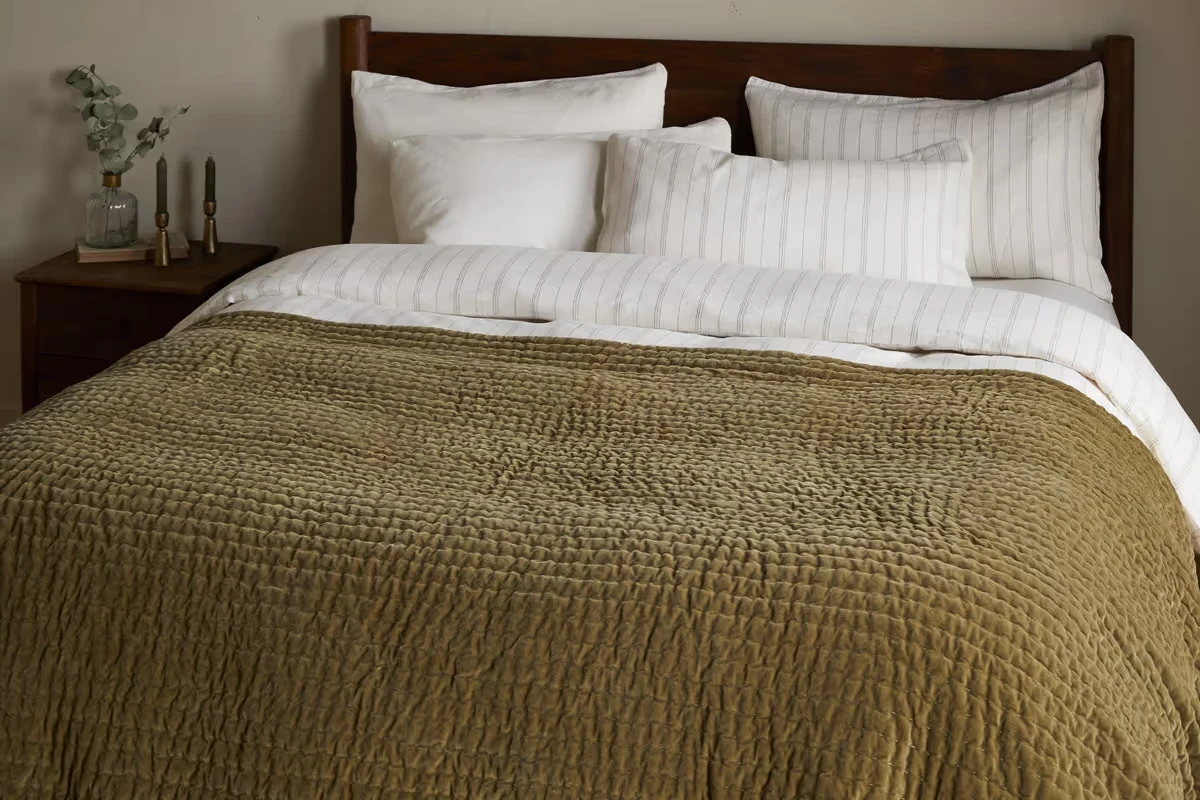
Sleep quality depends heavily on environment. Biophilic bedrooms promote the calm needed for rest.
Priority changes:
Natural bedding: Linen sheets, cotton duvet covers, wool blankets
Blackout with breathability: Layer sheer daytime curtains with heavier night curtains
Low-light plants: Snake plants or pothos tolerate bedroom conditions
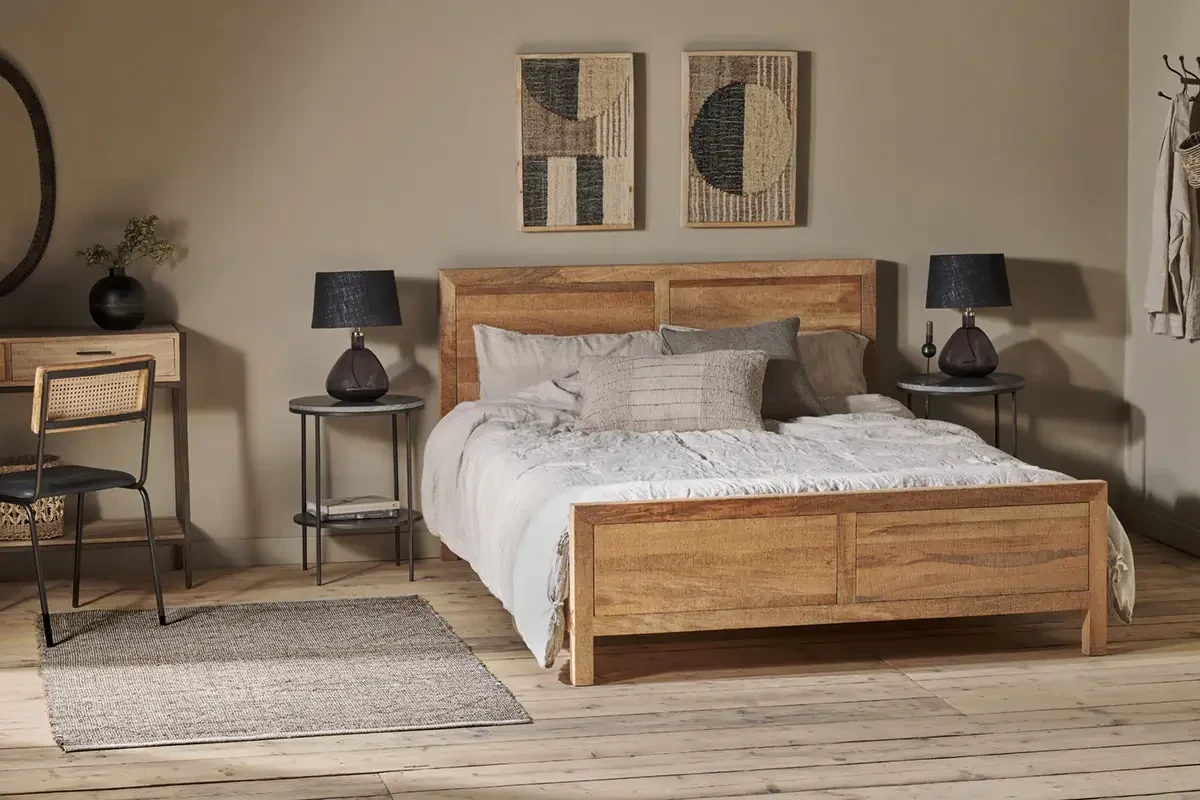
Wood furniture: Bed frame, nightstands, and wardrobe in natural timber
Minimise electronics: Keep screens away from the sleeping area
Colour palette: Bedrooms benefit from muted, earthy tones—sage green, warm taupe, soft terracotta, cream. These colours mimic natural environments and promote relaxation.
Kitchen and Dining
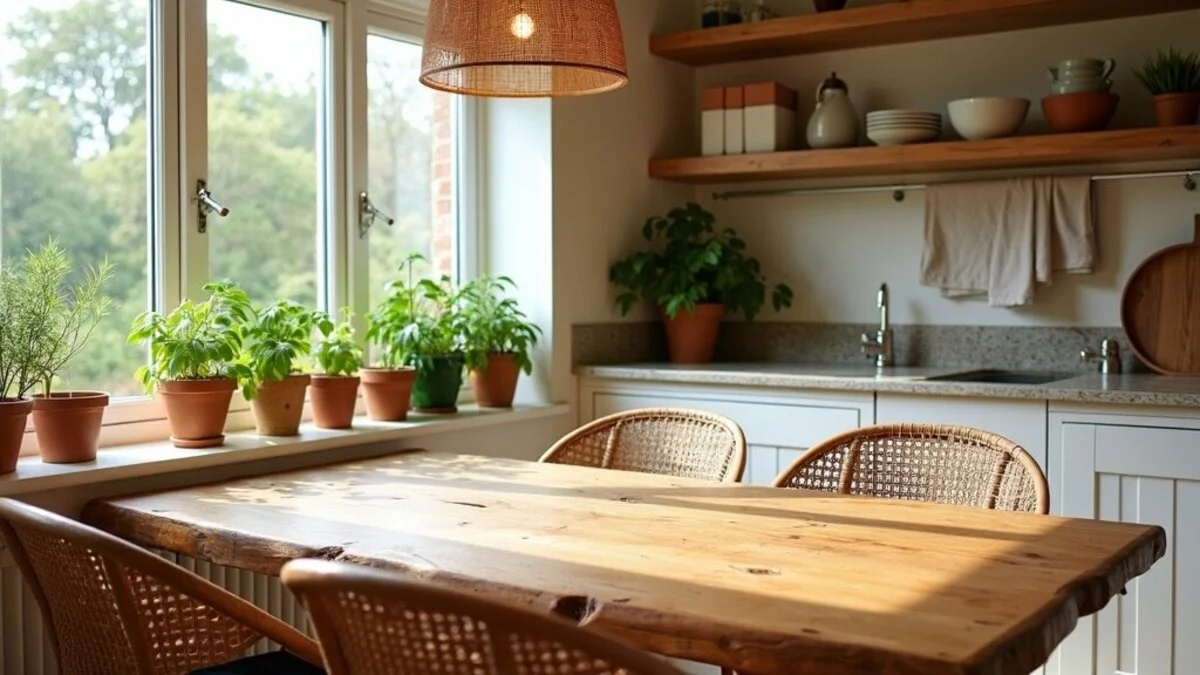
Kitchens connect naturally to biophilic principles—they're where we prepare and share food, one of our most fundamental connections to nature.
Priority changes:
Wooden dining table: The gathering point, worth investing in quality timber
Natural stone surfaces: Marble, granite, or terrazzo worktops
Herb garden: Fresh herbs on windowsills serve function and biophilia
Open shelving: Display handmade ceramics and natural materials
Natural light for food prep: Position workspaces near windows
Material choices:
Wooden chopping boards over plastic
Ceramic or glass storage over plastic containers
Linen tea towels and napkins
Terracotta or stoneware for serving
Home Office
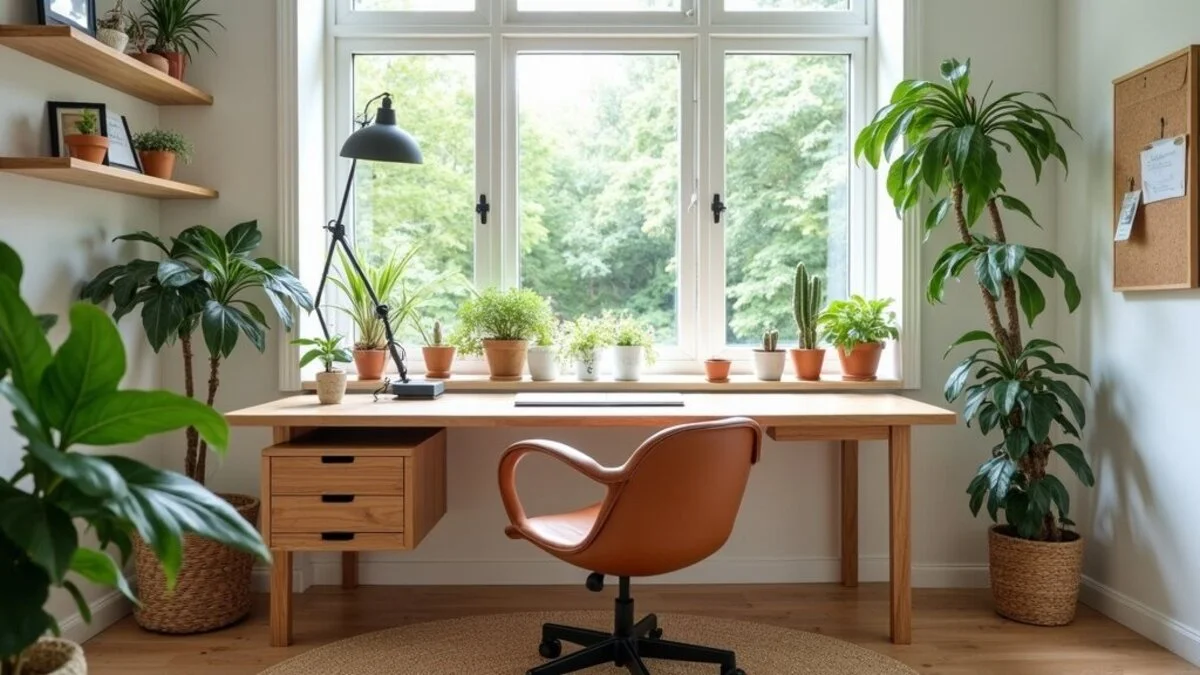
Biophilic design particularly benefits focused work. Natural elements reduce eye strain, improve concentration, and make prolonged screen time more bearable.
Priority changes:
Desk positioning: Face or side-on to natural light, never with windows behind screens
Plants in peripheral vision: Greenery in your line of sight reduces mental fatigue
Natural desk surface: An oak desk rather than laminate or glass
Varied textures: Break up hard surfaces with soft textiles
Nature views: Position to maximise any outdoor sightlines
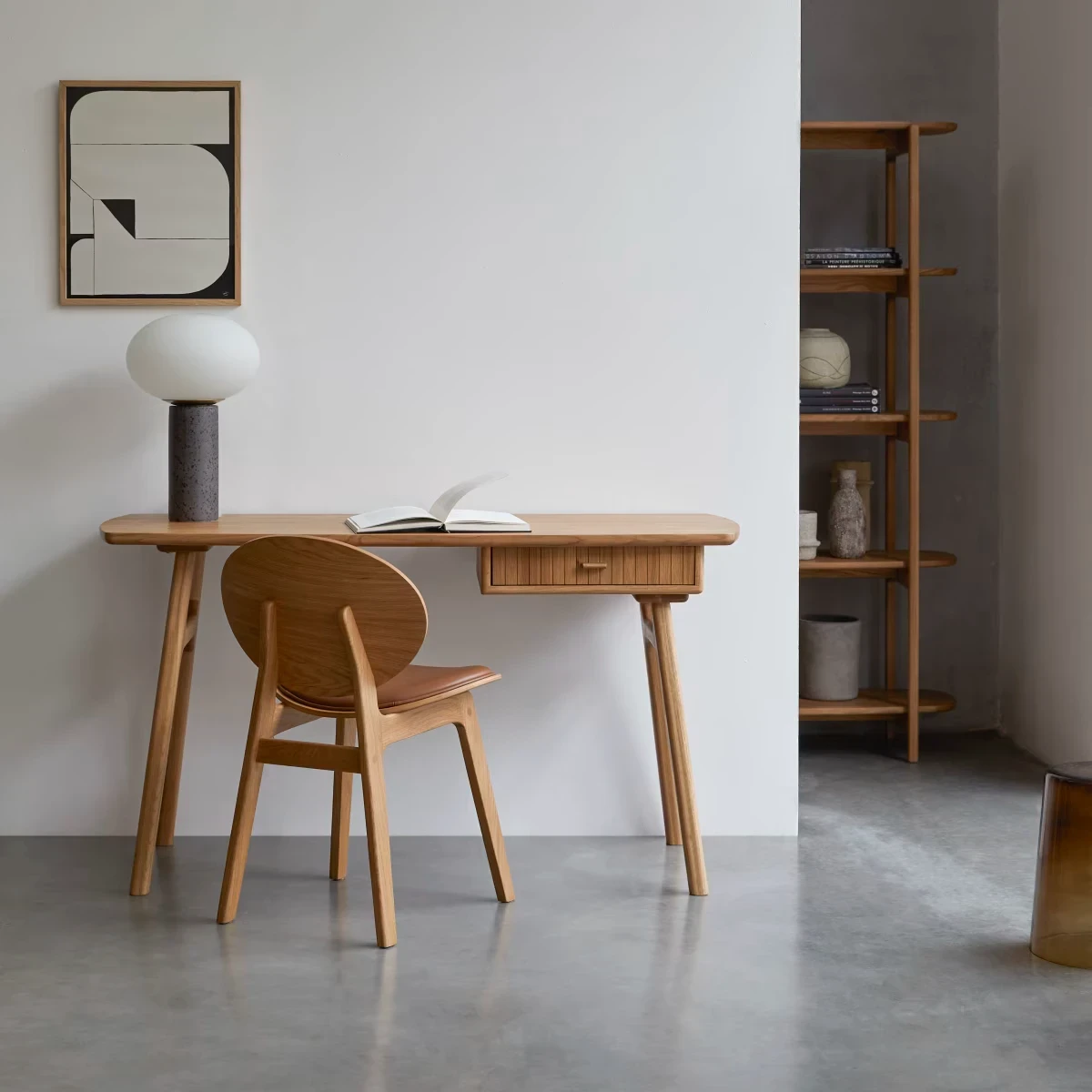
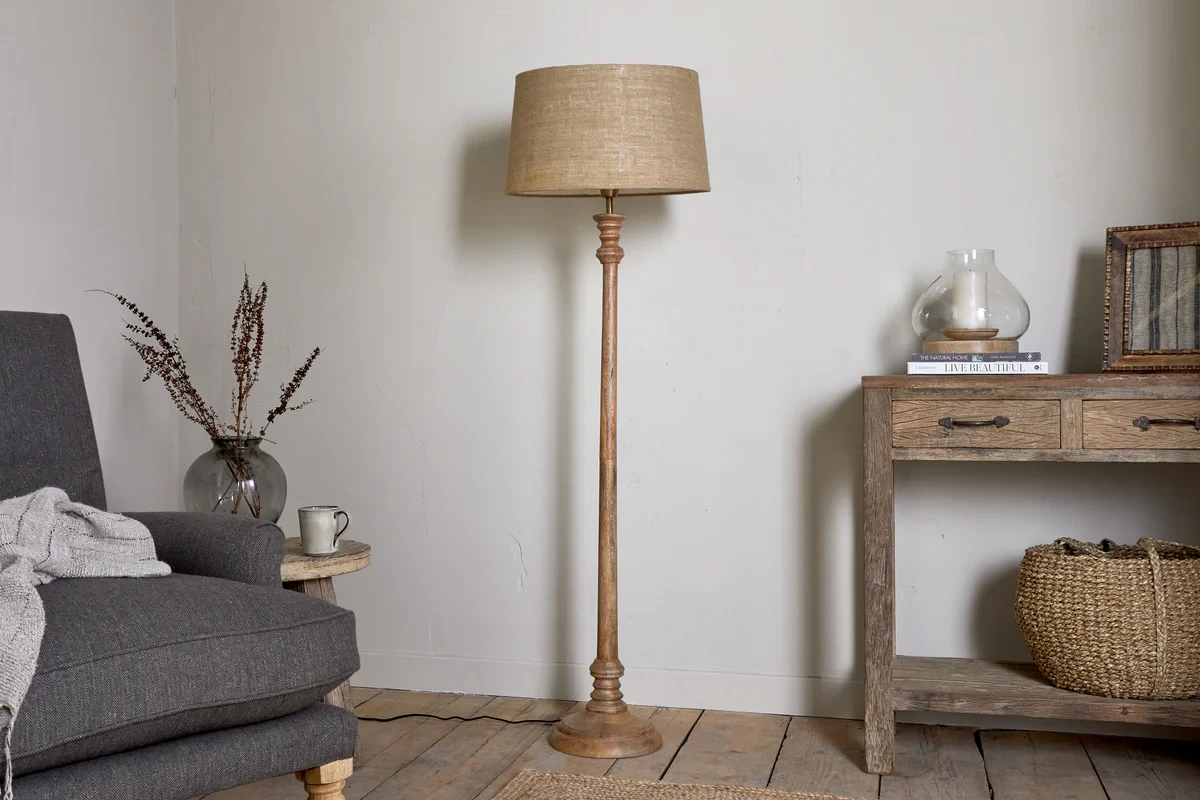
Research-backed tip: The Human Spaces Report found that workers with plants visible from their desk reported 15% higher wellbeing scores. The Nieuwenhuis et al. study (2014) showed productivity gains of approximately 15% in offices with plants versus lean environments.
Bathroom
Bathrooms naturally evoke water, one of biophilic design's core elements. Lean into this connection.
Priority changes:
Humidity-loving plants: Ferns, pothos, and peace lilies thrive in bathroom conditions
Natural stone or wood: Cork bath mats, wooden accessories, stone surfaces
Maximise natural light: Frosted glass or skylights where privacy allows
Organic textures: Woven baskets for storage, natural fibre towels
Water as feature: Rainfall showerheads, deeper baths, considered fixtures
---
Starting Your Biophilic Transformation
You don't need to renovate to embrace biophilic design. Start with the highest-impact, lowest-effort changes:
Week 1: Light and Air
Swap heavy curtains for sheers
Open windows daily, even briefly in winter
Clean windows inside and out
Week 2: Plants
Add one statement plant to your main living area
Start a windowsill herb garden in the kitchen
Group any existing plants for more impact
Week 3: Materials
Audit plastic and synthetic items
Replace what you can with natural alternatives
Add a natural fibre throw or cushions
Week 4: Senses
Introduce natural scents (fresh flowers, essential oils)
Add textural variety to surfaces
Consider ambient sounds (water feature, wind chimes)
From there, bigger changes—furniture replacement, material upgrades, layout adjustments—can happen gradually as budget allows.
---
Where can I find sustainable furniture UK retailers offer?
The shift toward biophilic design means more UK retailers stock natural materials furniture than ever before. Here's what to look for when shopping for nature-inspired interiors in British homes:
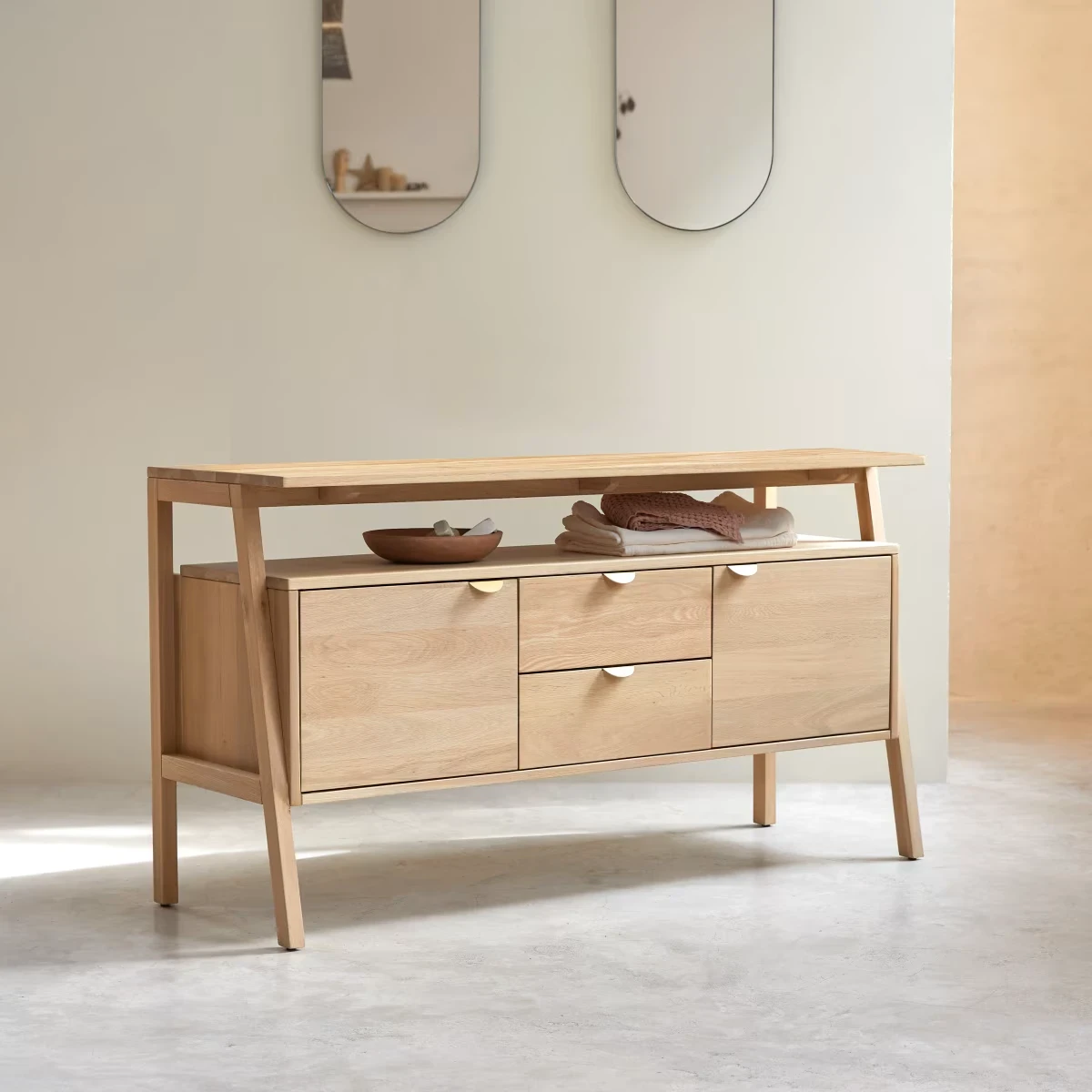
Solid wood: Avoid veneers and MDF where possible. Solid timber ages better, can be refinished, and has the authentic grain patterns that plastic laminates can't replicate. Browse our wooden furniture collection for sustainable options.
Natural rattan and cane: These materials are having a moment, with excellent options available from boutique and mainstream UK retailers alike.
Handmade ceramics: Small UK makers produce beautiful planters, vases, and decorative objects that mass production can't match.
Vintage and antique: Pre-1960s furniture was typically made from solid natural materials. Vintage shopping is inherently sustainable and often yields unique pieces perfect for British homes.
![Floating Shelf [Oak]](https://zpeqbrudpqjbpfhmntcb.supabase.co/storage/v1/object/public/product-images/konk-furniture/konk-furniture-floatingsh-mjbytfn1/original/4bfaa67224f7.webp)
---
The Long-Term View
Biophilic design isn't a trend to chase—it's a return to what humans have always needed. Our connection to nature isn't nostalgic; it's neurological. The built environments that serve us best are those that honour this fundamental relationship.
Start where you are, with what you have. A single plant, better light, one piece of natural furniture. Each change compounds, and before long, you'll have a home that doesn't just look good but genuinely supports your wellbeing.
The best biophilic spaces don't announce themselves. They simply feel right—calm, grounding, alive. That's what you're building toward.

