

Scandinavian Furniture UK: Your Complete Style & Sourcing Guide
Scandinavian furniture combines natural materials, clean lines, and functional beauty to create spaces that feel both minimal and warm. If you're looking to bring Nordic design into your UK home, this guide covers everything from core design principles to where to find authentic Scandi pieces at every price point.
---
What Makes Furniture "Scandinavian"?
Scandinavian design emerged in the 1950s from Denmark, Sweden, Norway, and Finland—countries where long, dark winters created a need for bright, functional interiors. The philosophy centres on democratic design: beautiful furniture that's accessible, practical, and built to last.
The core principles are straightforward:
Function over form: Every piece earns its place. No decoration for decoration's sake.
Natural materials: Wood, leather, linen, and wool connect interiors to the outdoors.
Light-maximising: Pale colours and reflective surfaces combat Nordic darkness.
Craftsmanship: Quality construction that improves with age.
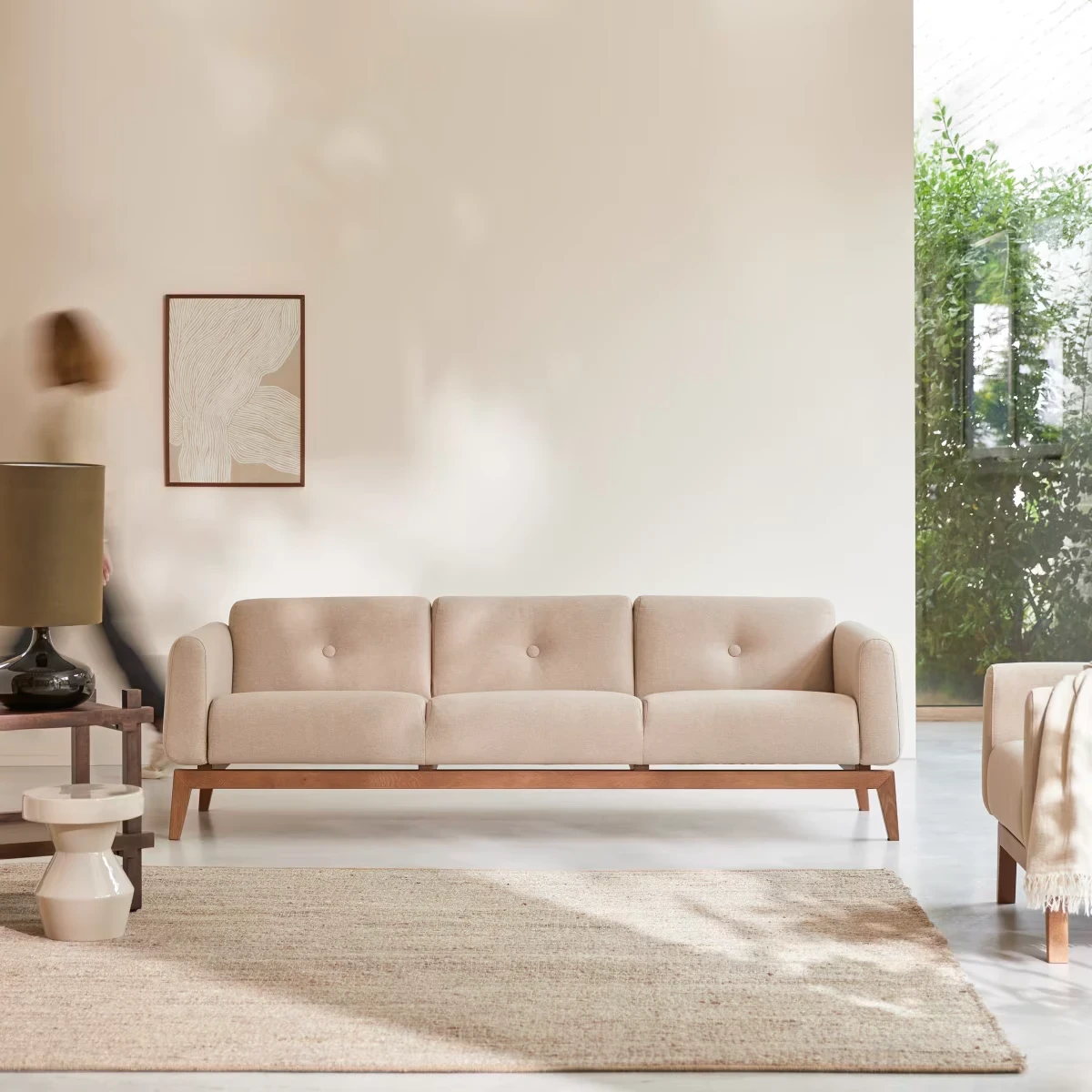
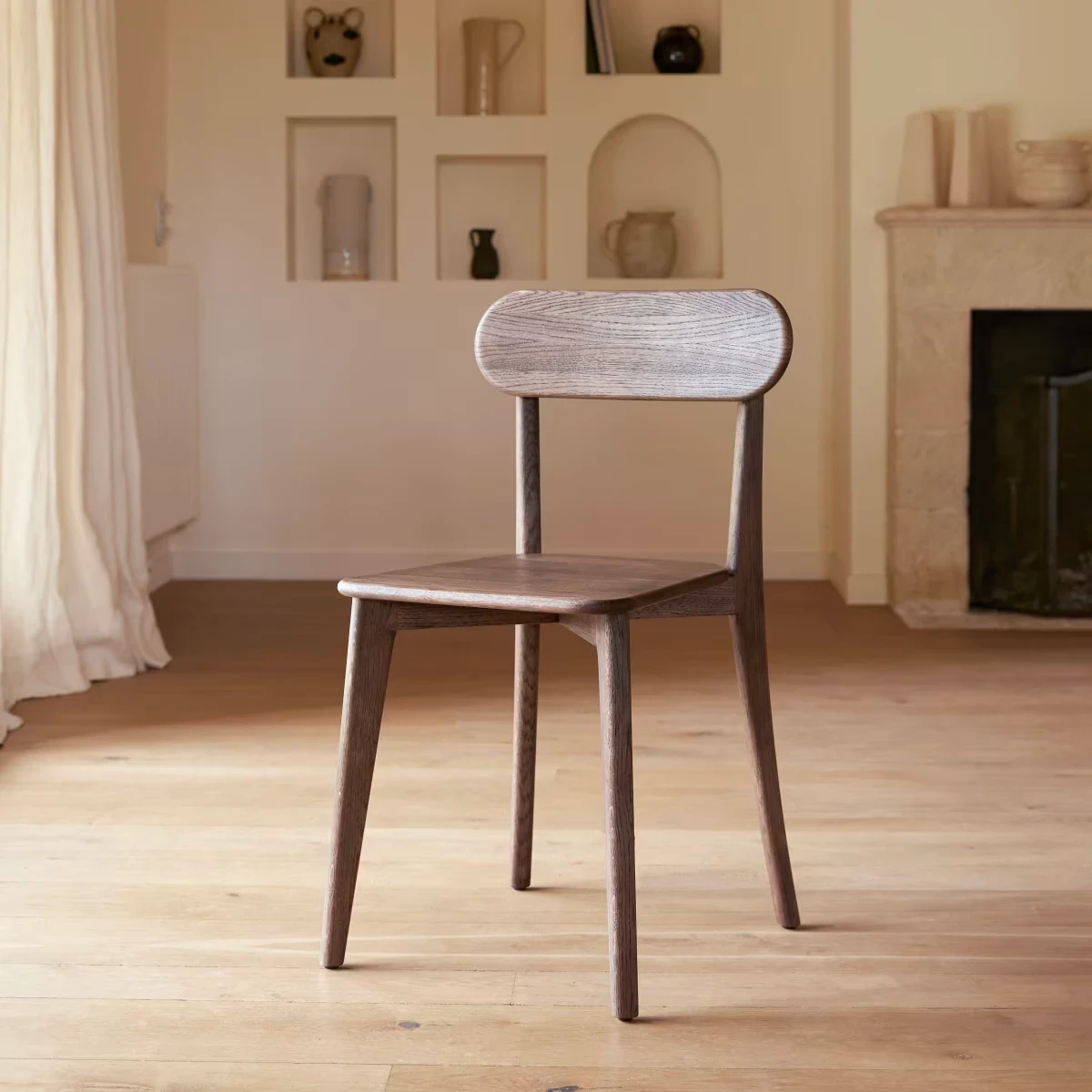
You'll recognise Scandinavian furniture by its signature characteristics: light-toned woods like oak, ash, and birch; gentle organic curves rather than hard angles; and understated elegance that never shouts.
---
What Are the 5 Key Elements of Scandinavian Design?
Five defining characteristics separate true Scandinavian furniture from lookalikes: light wood tones, clean lines, functional design, natural materials, and a neutral colour palette. We've found that pieces combining at least three of these elements will read as authentically Scandi.
1. Light Wood Tones
Oak dominates Scandinavian furniture, prized for its durability and warm, honey tones. Ash offers similar qualities with more pronounced grain. Birch and beech provide lighter, almost blonde options. You'll rarely see dark stains—natural or lightly oiled finishes let the wood's character show through.
2. Clean, Minimal Lines
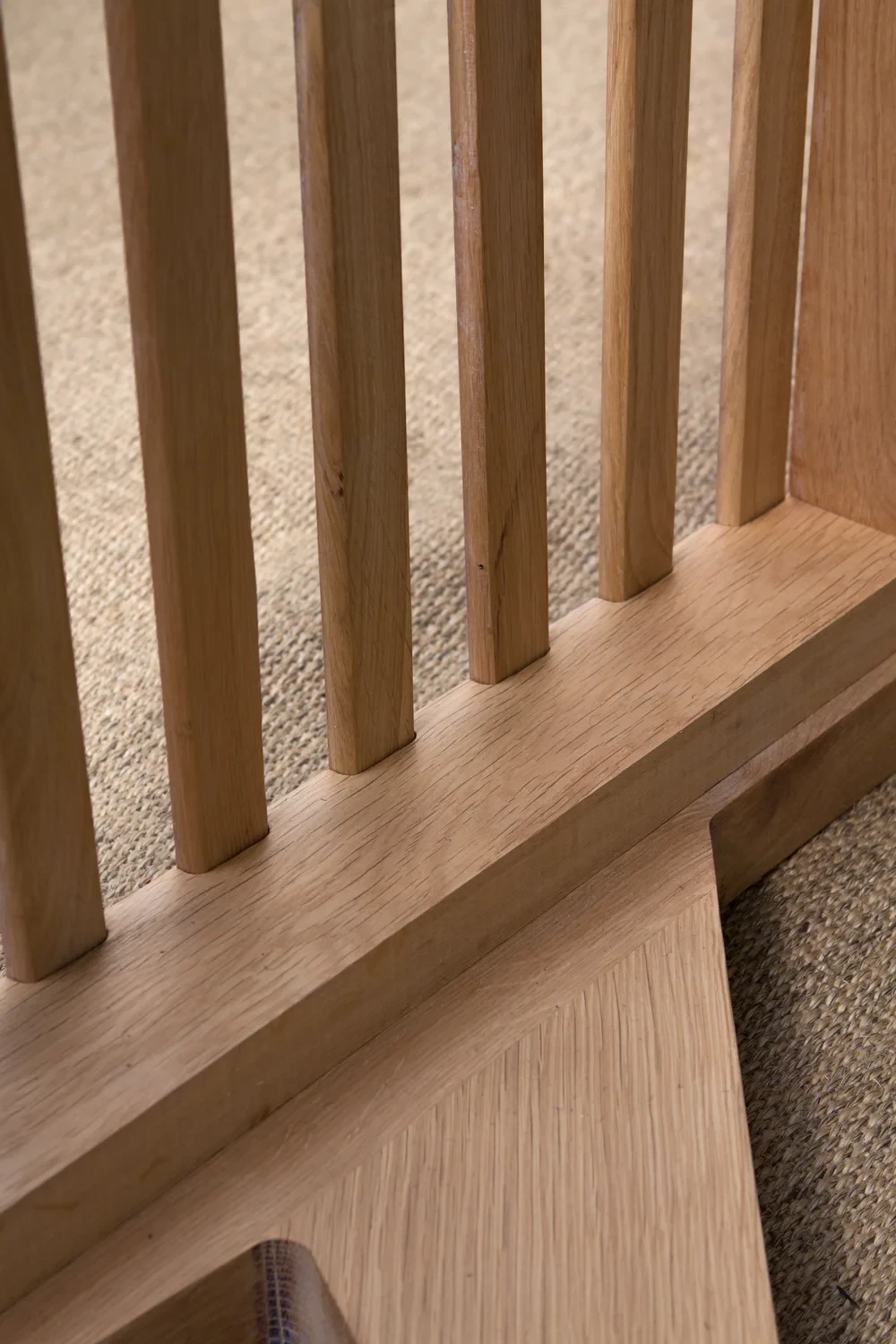
Scandinavian pieces strip away ornate details. Legs are tapered or splayed at gentle angles. Backs are slatted or smoothly curved. Handles are often integrated into the design rather than added as hardware. The result is furniture that looks effortless—though achieving that simplicity requires considerable craft.
3. Functional Beauty
Every element serves a purpose. A coffee table might incorporate a lower shelf for books. A dining chair's curve follows the spine's natural shape. Storage pieces balance open and closed compartments. This isn't minimalism for its own sake—it's design that makes daily life easier.
4. Natural Materials
Beyond wood, Scandinavian interiors layer natural textures: full-grain leather that develops patina, linen upholstery with visible weave, wool throws and rugs, and ceramics with subtle imperfections. These materials age gracefully and add warmth to minimal spaces.
5. Neutral Colour Palette
The Scandinavian palette starts with white—lots of it—then layers warm greys, soft blacks, and natural wood tones. Accent colours are muted: dusty pinks, sage greens, or mustard yellows. The overall effect is calm and cohesive.
---
How Do You Style a Scandinavian Room?
Style a Scandinavian room by layering natural textures, maintaining negative space, and balancing minimalism with warmth. In our experience, the key is editing ruthlessly while adding enough soft elements to avoid a cold, clinical feel.
The "Less Is More" Philosophy
Scandinavian interiors resist clutter. Each piece of furniture should be intentional, with enough negative space to let the room breathe. Start with fewer items than you think you need—you can always add, but crowded rooms lose the Scandi calm.
Layering Textures for Warmth
The common criticism of Scandinavian design is that it feels cold or clinical. The solution lies in texture. Layer a chunky wool throw over a linen sofa. Add a jute rug beneath an oak coffee table. Use sheepskin on a dining chair. These soft elements create the Danish concept of *hygge*—that sense of cosy contentment.
Mixing Periods Thoughtfully
Authentic Scandinavian spaces rarely look like showroom sets. They combine vintage finds with contemporary pieces. A 1960s Hans Wegner chair might sit beside a modern sofa. This mixing adds character and suggests the home has evolved over time rather than being decorated in a single shopping trip.
Avoiding the "Cold" Trap
If your Scandi room feels sterile, check these common issues:
Too much white without warm undertones
Hard surfaces without soft textiles
No plants or organic elements
Lack of personal items and artwork
LED lighting that's too cool (aim for 2700K-3000K)
When choosing materials, focus on natural fibres and textures that complement each other—wool with linen, oak with leather, ceramic with glass.
---
What Scandinavian Furniture Works Best in Each Room?
Each room benefits from different Scandinavian pieces: living rooms need quality sofas and low-profile coffee tables, bedrooms focus on platform beds and minimal storage, dining rooms work best with oval tables and mixed-material chairs, and home offices favour clean desks with hidden cable management.
Living Room
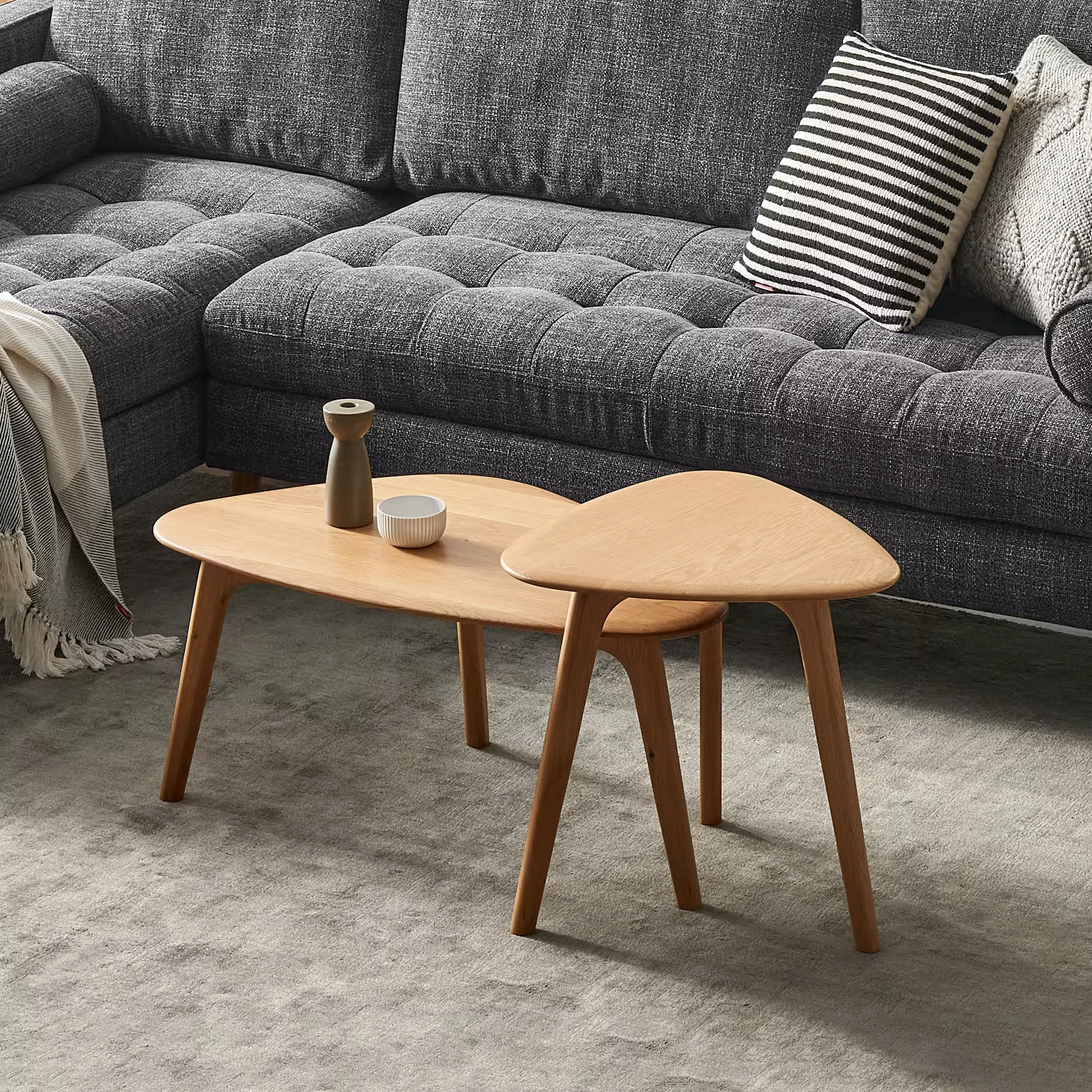
The living room anchors a Scandinavian home. A quality sofa in neutral fabric—grey, beige, or cream—forms the foundation. Look for solid wood frames and high-density foam cushions that won't sag. Pair with a coffee table in light oak, ideally with clean lines and perhaps a lower shelf for magazines.
Avoid bulky entertainment units. Scandinavian media storage tends toward low, floating designs or open shelving systems.
Bedroom
Scandinavian bedrooms prioritise rest. Platform beds in natural oak create a grounded feel. Nightstands are often wall-mounted or impossibly slim. Wardrobes favour sliding doors to save space, with interiors organised for maximum efficiency.
Keep bedding simple: white linen sheets, a wool throw at the foot, and perhaps a single statement cushion. The bed frame does the visual work.
Dining Room
Round or oval dining tables encourage conversation and work well in smaller UK homes. Extending tables let you scale for guests without permanent bulk. Dining chairs often mix materials—perhaps an oak frame with a leather seat or woven paper cord.
Sideboards provide essential storage while displaying a few curated objects. Look for pieces with a mix of drawers and cabinets.
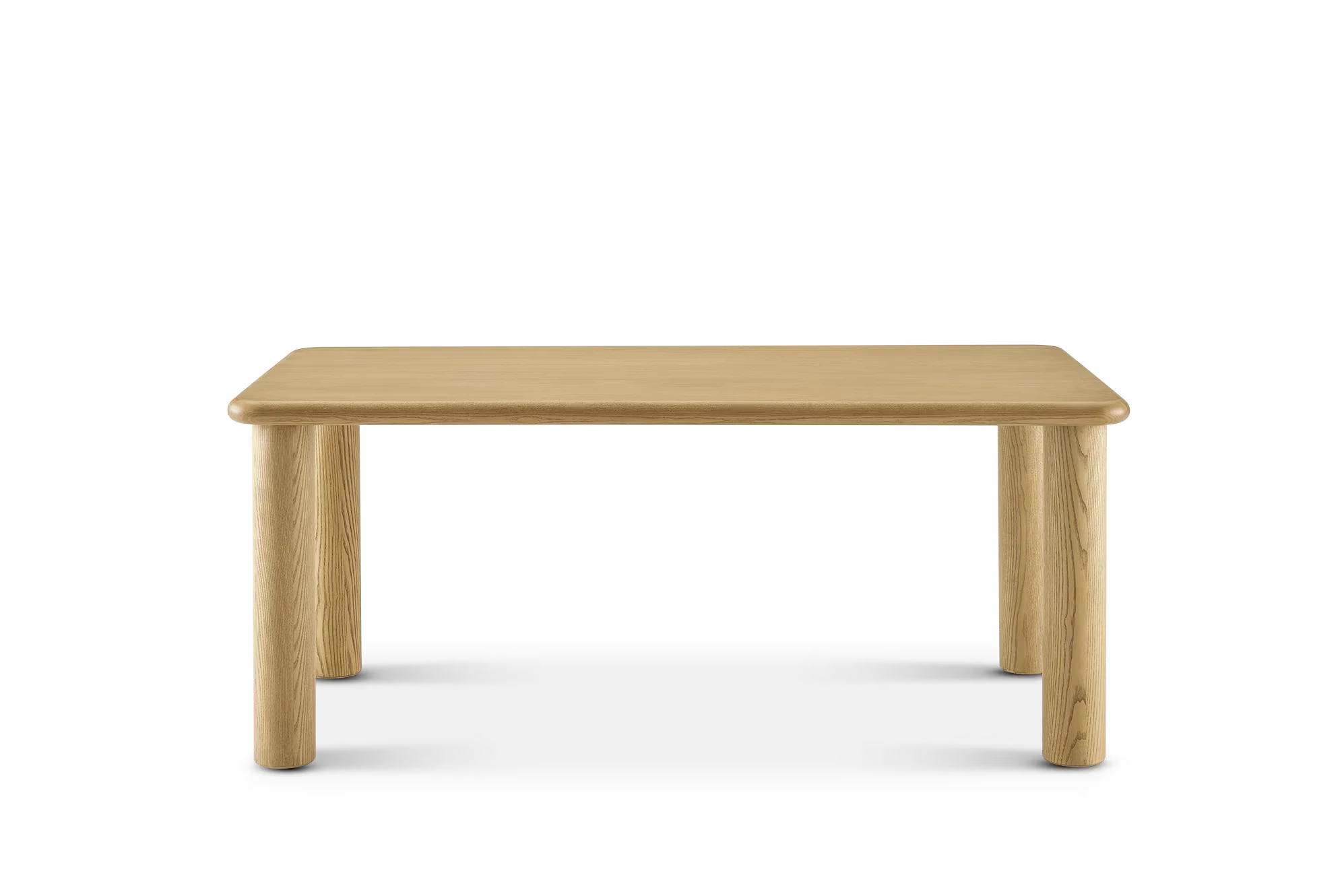
Home Office
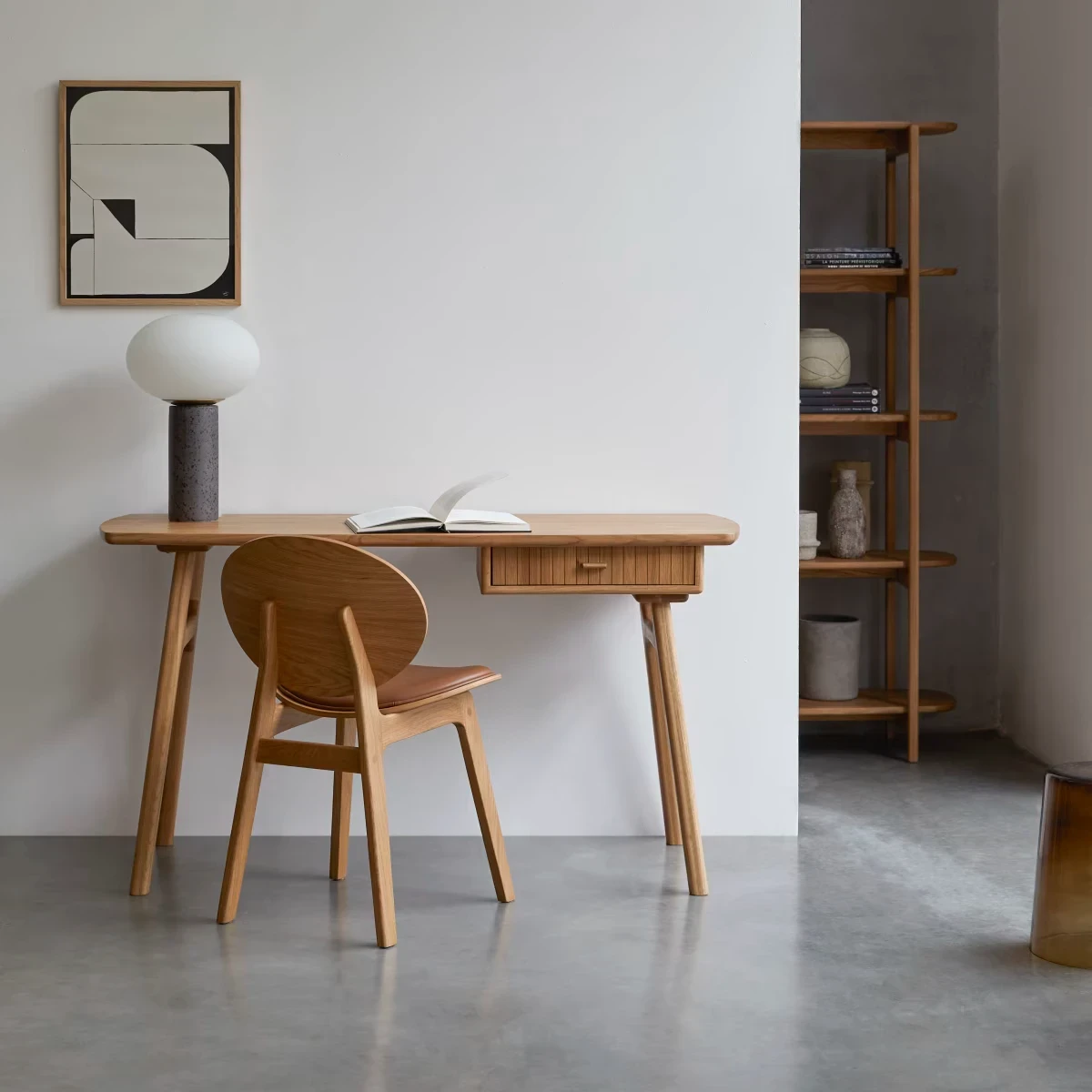
Scandinavian desks favour clean surfaces and hidden cable management. Height-adjustable sit-stand options are increasingly popular. Task chairs balance ergonomics with aesthetics—no bulky gaming chairs here.
Shelving systems like the classic String design let you customise storage as needs change. For smaller spaces, wall-mounted desks and floating shelves help maximise floor area while maintaining the clean aesthetic.
---
Where to Find Scandinavian Furniture in the UK
Finding authentic Scandinavian furniture in the UK ranges from IKEA to investment-grade Danish originals. We recommend mixing price tiers—splurge on a statement sofa or dining table, save on accessories and storage.
Price Tier | Budget | Examples | Best For | Typical Quality |
|---|---|---|---|---|
Investment | £1,000+ | HAY, Muuto, Carl Hansen | Statement pieces you'll keep forever | Solid hardwood, traditional joinery |
Mid-Range | £300-£1,000 | Loaf, Castlery, Tikamoon, Konk | Sofas, beds, dining tables | Solid wood or quality veneer |
Budget | Under £300 | IKEA, Dunelm, John Lewis | Accessories, shelving, chairs | Engineered wood, good for starters |
Investment Pieces (£1,000+)
For authentic Scandinavian furniture from iconic brands:
HAY – Contemporary Danish design with bold colours
Muuto – Modern interpretations of Nordic classics
&Tradition – Revives mid-century designs alongside new work
Carl Hansen & Son – Hans Wegner's iconic chairs
These pieces cost more upfront but last decades. Consider them for statement items you'll keep forever.
Mid-Range Options (£300-£1,000)
Several UK retailers offer quality Scandinavian-inspired pieces:
Loaf – British-made with Nordic sensibility
Castlery – Affordable oak and ash furniture
Tikamoon – French solid oak furniture with authentic Scandi character
Konk – UK artisan maker specialising in handcrafted oak and walnut
Swoon – On-trend Scandi designs
Made.com – Wide range at various price points
Check materials carefully. Solid wood and quality joinery justify higher prices within this range.
Budget-Friendly (Under £300)
Entry-level Scandinavian style is more accessible than ever:
IKEA – The original democratic design
Dunelm – Growing Scandi-inspired range
John Lewis House – Affordable own-brand options
H&M Home – Accessories and soft furnishings
Budget pieces work well for accessories and items you'll upgrade later. Avoid cheap imitation wood—it never looks right.
Finding the Right Piece
Rather than visiting each retailer individually, use MeetFelix to search across multiple stores at once. Filter by material, price, and style to find exactly what you're looking for.
---
How Does Scandinavian Differ from Japandi and Mid-Century?
Scandinavian, Japandi, and mid-century modern share family resemblances but differ in mood and expression. Scandinavian is the most structured and light-focused, Japandi adds organic imperfection, and mid-century makes bolder statements with colour and shape.
Scandinavian vs. Japandi
Japandi blends Scandinavian simplicity with Japanese wabi-sabi—the beauty of imperfection. The result is slightly warmer and more organic than pure Scandi. Expect more earth tones, handcrafted ceramics, and deliberate asymmetry. If Scandinavian feels too structured, Japandi might suit you better.
Scandinavian vs. Mid-Century Modern
Mid-century modern emerged alongside Scandinavian design, and they share DNA: organic shapes, tapered legs, quality materials. The difference lies in expression. Mid-century pieces are often bolder—stronger colours, more pronounced curves, statement-making shapes. Scandinavian design whispers where mid-century speaks.
Blending Styles
These styles mix beautifully. A Scandinavian sofa pairs naturally with mid-century armchairs. Japandi ceramics add warmth to a Scandi dining table. The key is maintaining a cohesive material palette—stick to natural woods and neutral textiles regardless of which style you're drawing from.
---
What Are Common Scandinavian Design Mistakes?
The most common mistakes we see are going too minimal (creating a cold, unwelcoming space), ignoring texture variety, defaulting to all-white everything, and choosing cheap wood lookalikes. Avoiding these pitfalls makes the difference between a magazine-worthy room and one that feels lifeless.
Going Too Minimal
Scandinavian design is minimal, not empty. A room needs enough furniture to function comfortably. If guests have nowhere to set a drink or your living room feels like a waiting room, you've overcorrected.
Ignoring Texture Variety
All-smooth surfaces create a cold atmosphere. Mix rough-sawn wood with smooth leather. Combine matte ceramics with glossy lacquer. Contrast soft wool with hard oak. Texture does the work that ornament would in other styles.
The All-White Trap
White walls and pale furniture need anchoring. A jute rug, black-framed artwork, or deep green plants prevent the space feeling washed out. True Scandinavian interiors use contrast—just subtly.
Cheap Wood Lookalikes
Veneer can work on large flat surfaces, but cheap laminate pretending to be wood always disappoints. The grain looks repetitive, the edges peel, and the piece dates quickly. Save for solid wood on key items like dining tables and bed frames.
When shopping, always check the materials list and construction details—solid wood frames and traditional joinery are worth the extra investment.
---
Frequently Asked Questions
Is Scandinavian furniture good quality?
Authentic Scandinavian furniture is exceptionally well-made. Brands like Carl Hansen use solid hardwoods, traditional joinery, and hand-finished surfaces. Even mid-range pieces from quality manufacturers last decades with proper care. The challenge is distinguishing genuine Scandinavian craft from cheap imitations—focus on materials and construction details.
Why is Scandinavian furniture so expensive?
Premium Scandinavian furniture uses solid hardwoods, skilled craftsmanship, and sustainable practices. A Hans Wegner chair takes hours of hand-finishing. European oak costs more than engineered board. Ethical manufacturing in Denmark or Sweden costs more than overseas mass production. You're paying for materials, craft, and longevity—pieces that will outlast trends and cheaper alternatives.
What wood is used in Scandinavian furniture?
Oak is most common, valued for its strength and warm tone. Ash offers similar qualities with more dramatic grain. Birch and beech provide lighter, cooler alternatives. Teak appears in mid-century pieces. Pine is used for more rustic Scandinavian styles. Avoid pieces marketed as "Scandinavian" that use tropical hardwoods or heavy stains—they miss the point.
How do I make my home look Scandinavian on a budget?
Start with what you have. Declutter aggressively—nothing transforms a space like removing visual noise. Paint walls white or pale grey. Add texture through affordable throws and cushions. Choose a few quality pieces for high-impact spots (a good floor lamp, a solid oak coffee table) and let IKEA handle the rest. The Scandinavian look is more about editing than buying.
---
Bringing It Together
Scandinavian design succeeds because it puts livability first. Clean lines and quality materials create calm, functional spaces that age gracefully. Whether you invest in iconic Danish pieces or find bargains at IKEA, the principles remain the same: choose natural materials, favour function, and resist the urge to over-decorate.
Ready to find your perfect Scandinavian pieces? Search our collection of Nordic-inspired furniture from retailers across the UK.


