

Finding Your Furniture Style: Beyond Trends and Algorithms
Style isn't something you choose from a menu—it emerges from understanding what genuinely appeals to you and why. The best-furnished homes reflect authentic preferences developed over time, not predetermined aesthetic categories or current trends.
This guide helps you discover your personal furniture style, mix influences authentically, and create spaces that evolve with you over time.
Understanding Your Aesthetic Preferences
Most people can recognise what they like but struggle to articulate why. Developing style awareness means identifying patterns in what attracts you.
Creating an Inspiration Collection
Save images that appeal to you without initially analysing why.
How to collect inspiration:
Use Pinterest boards, Instagram saves, or magazine clippings
Save photos you've taken of spaces you've visited
Include rooms, individual furniture pieces, colour palettes, textures
Don't overthink—if it speaks to you, save it
Aim for 30-50 images before analysing
Sources for inspiration:
Interior design magazines (Elle Decor, Architectural Digest, Dwell)
Instagram accounts (@apartmenttherapy, @designmilk, @housebeautiful)
Design blogs and websites
Hotel lobbies and restaurants you've visited
Friends' homes that feel appealing
Analysing Your Collection for Patterns
After collecting 30-50 images, review them as a group. Patterns reveal your authentic preferences versus what you think you should like.
Questions to ask yourself:
Do you gravitate toward warm or cool colours?
Ornate or minimal details?
Natural materials or industrial elements?
Curved or angular lines?
Open, airy spaces or cozy, layered rooms?
Bold colours or neutral palettes?
Modern/contemporary or traditional/vintage?
Textured surfaces or smooth/sleek finishes?
What the patterns mean:
If you save mostly warm colours and natural materials: You likely prefer organic, comfortable spaces. Look for furniture with warm wood tones, linen and wool fabrics, earthy colour palettes.
If you save mostly minimal, clean-lined spaces: You appreciate modern simplicity. Look for furniture with streamlined forms, minimal ornamentation, neutral colours, and functional design.
If you save eclectic, layered spaces: You enjoy personality and character. Look for vintage pieces, mixed styles, collected objects, and don't fear combining different eras.
Translating Inspiration Images into Furniture Choices
Inspiration images rarely show precisely what you need. Instead, extract principles.
"I love how this room feels warm and textured" → Look for furniture with natural materials (wood, linen, wool), varied textures, warm tones
"This space feels balanced and calm" → Apply symmetry in furniture placement, use limited colour palette, choose clean lines
"I'm drawn to this room's personality" → Notice what creates that: vintage pieces, bold colour, unique shapes, collected objects
"This feels sophisticated and elegant" → Identify elements: quality materials, tailored upholstery, edited colour palette, proper scale
The goal isn't to recreate rooms from images—it's to understand what attracts you and apply those principles to your actual furniture needs.
Mixing Styles Authentically
Rooms filled with furniture from a single style (all mid-century, all farmhouse, all industrial) feel staged and one-dimensional. Real homes layer influences. The key is finding a common thread that ties different styles together.
Why Single-Style Rooms Feel Staged
The problem with matching sets:
Feels like a furniture showroom rather than a home
Lacks personal history and character
Difficult to add new pieces without breaking the "perfect" look
Doesn't reflect how real people accumulate furniture over time
The appeal of mixed styles:
Creates visual interest and depth
Allows flexibility as preferences evolve
Reflects your personal history and travels
Feels lived-in and authentic
Finding Common Threads
Material as unifier: Use the same wood tone across different furniture styles. A mid-century walnut sideboard, traditional walnut dining table, and contemporary walnut console share wood tone despite different designs.
Colour palette as unifier: Maintain the same colour family even when mixing furniture styles. Navy, rust, and cream work across mid-century, traditional, and contemporary pieces.
Proportion and scale as unifier: Mix styles but maintain similar proportions. Chunky mid-century pieces work with substantial traditional furniture. Delicate modern pieces pair well with refined antiques.
Era as loose guideline: Mix within a broad time period. Mid-century modern (1940s-1960s) works with Art Deco (1920s-1930s). Contemporary (2000s+) works with modern (1960s-1980s).
Example Mix That Works
The room: Living room mixing mid-century, traditional, and contemporary
Pieces:
Mid-century modern sofa (clean lines, tapered legs, walnut frame)
Traditional Persian rug (adds pattern, history, warmth)
Contemporary metal-and-glass coffee table (introduces current elements, transparent quality keeps it light)
Vintage brass table lamps (bridge styles, add warmth)
Common thread: Warm wood tones (walnut sofa frame, warm rug tones) and sophisticated colour palette (navy, rust, cream) tie disparate styles together. The mix feels intentional, not random.
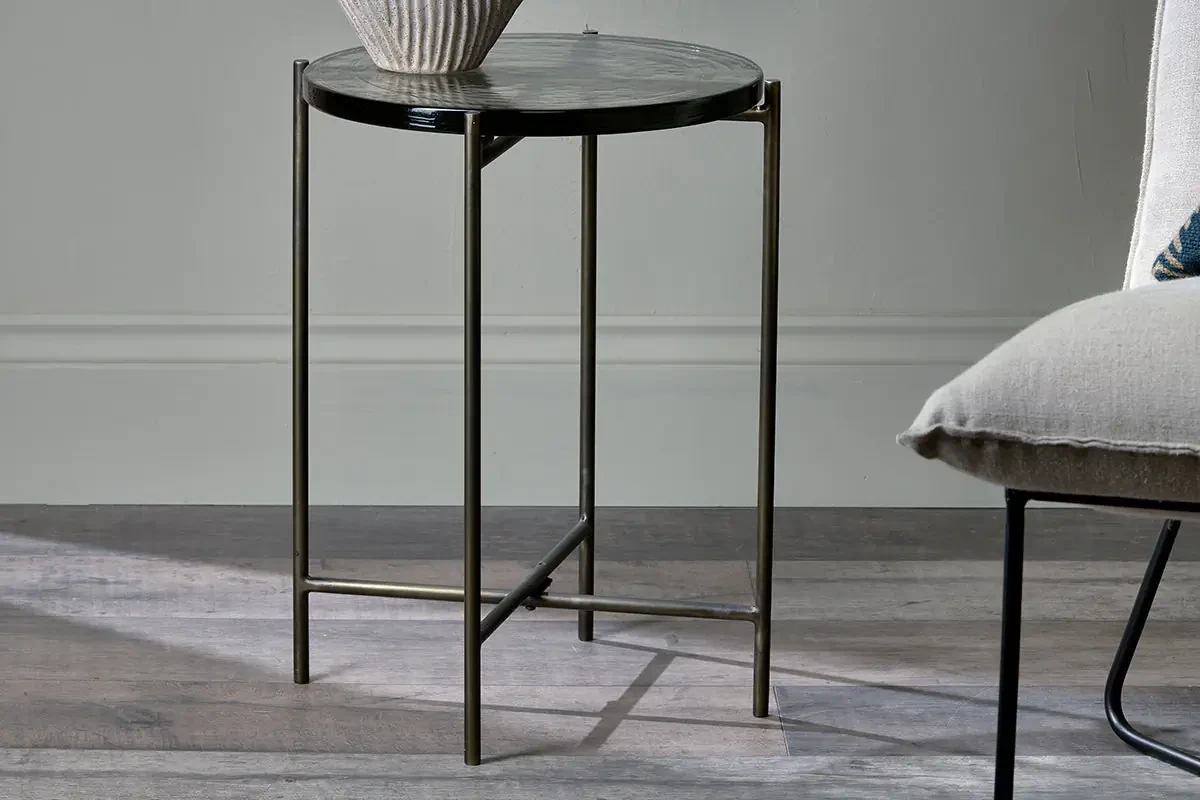
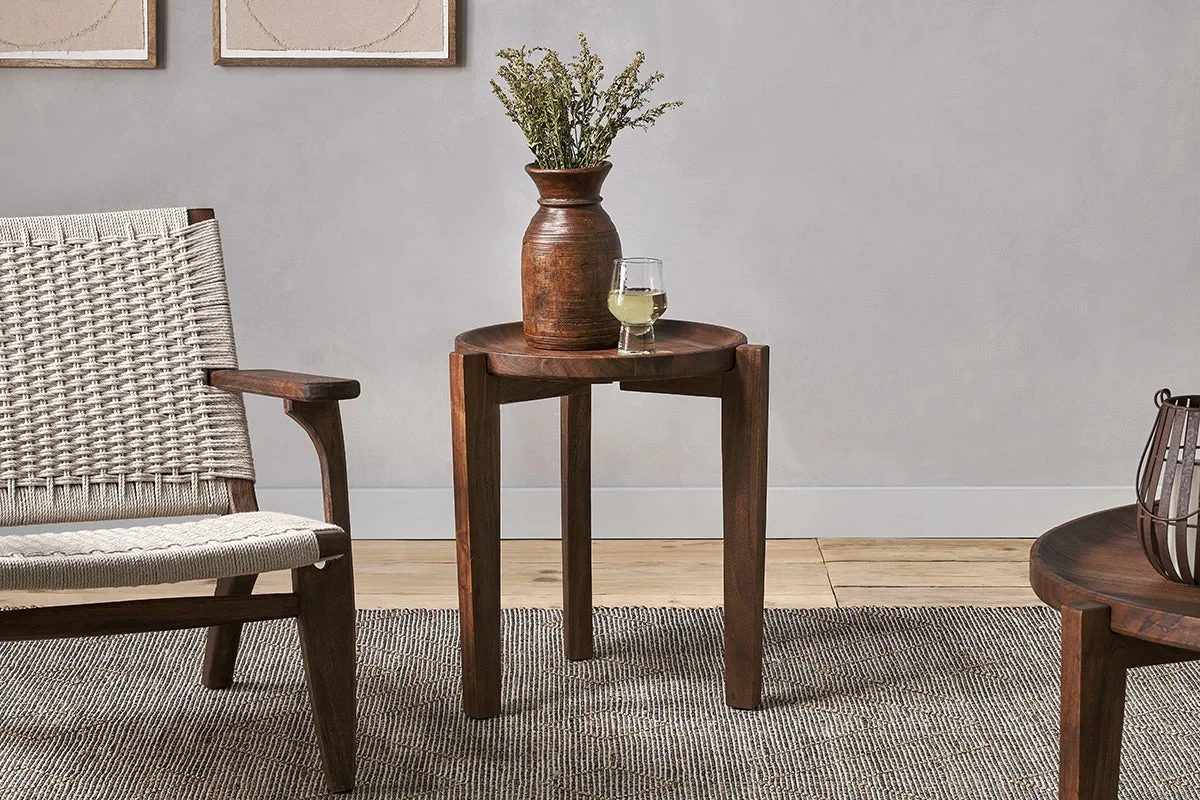
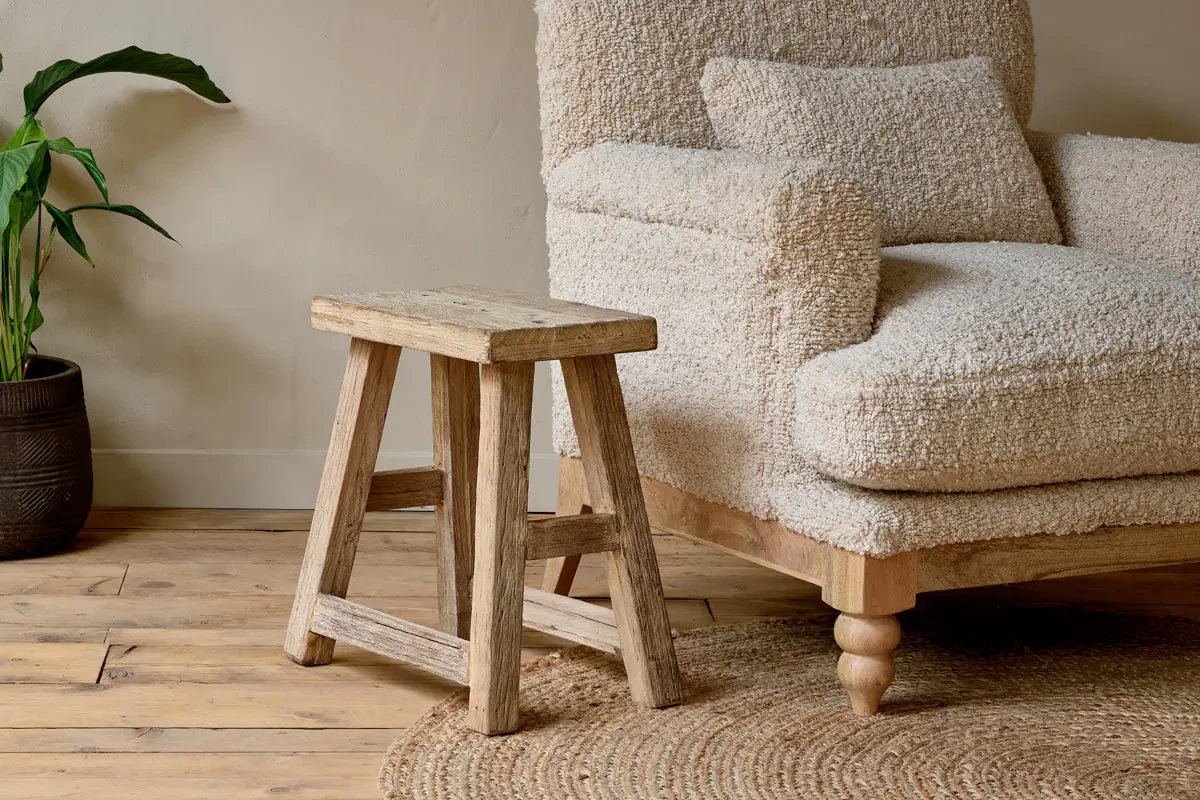
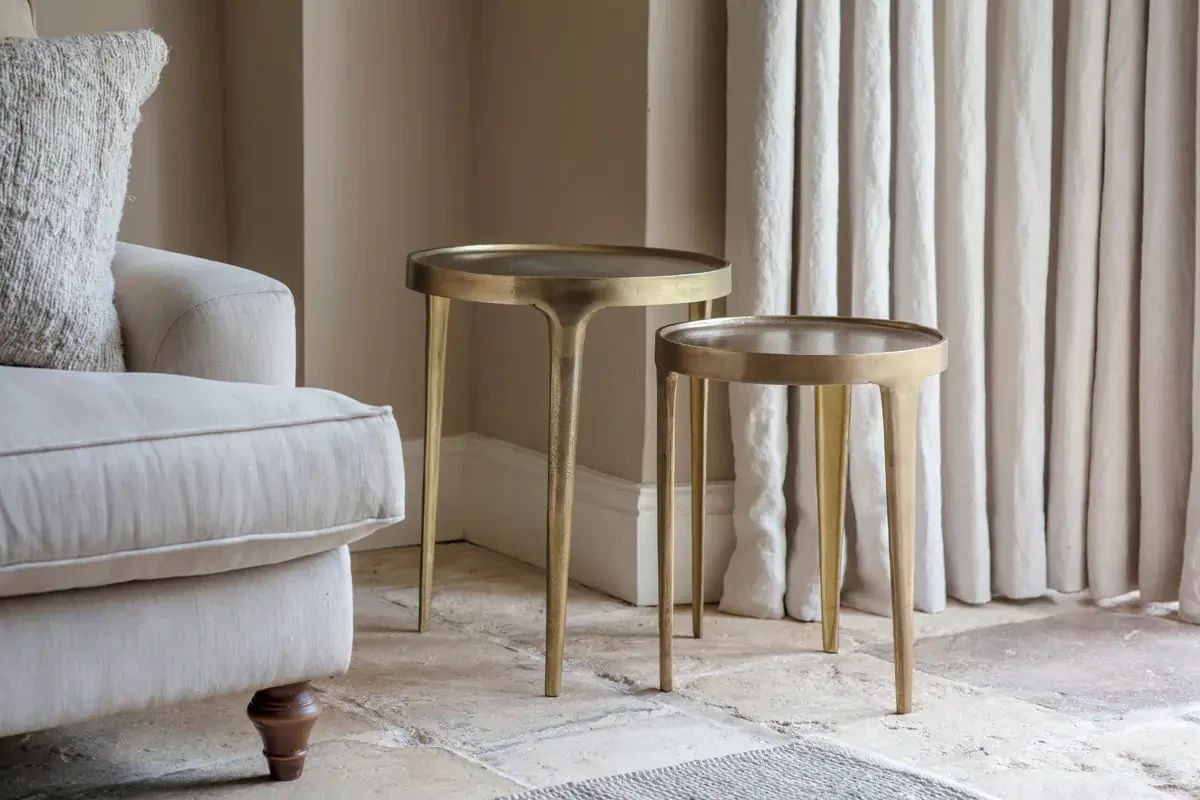
Product Collection: Mix furniture styles authentically using common threads
What Doesn't Work
Too many competing styles: Mid-century modern + rustic farmhouse + industrial + bohemian = visual chaos without clear direction.
No connecting elements: Random pieces in clashing materials, colours, and proportions with nothing tying them together.
Forcing incompatible scales: Delicate French provincial chairs with chunky industrial table—the proportions fight each other.
When to Follow Trends vs. Trust Your Instincts
Trends offer inspiration but poor guidance for long-term purchases. Understanding when to embrace trends and when to ignore them prevents expensive mistakes.
The Problem with Trend-Following
Trends cycle quickly: What's fashionable now will look dated in 3-5 years. Millennial pink. Farmhouse everything. All-white minimalism. Each dominated for a few years, then became associated with a specific era.
Trendy furniture dates your space: Live edge wood slabs, acrylic "ghost" chairs, industrial pipe shelving—these signal a specific time period just as strongly as 1990s oak furniture.
The cost of trend chasing: If you furnish based on current trends, you'll want to replace everything when trends shift. This is expensive and unsustainable.
The "Would I Love This Without Instagram?" Test
Before buying something trendy, ask yourself: Would I still love this if I'd never seen it on Instagram or Pinterest?
If yes: It's an authentic preference that happens to be currently trendy. Buy it if it fits your needs and budget.
If no: It's trend-following. Recognise this and adjust accordingly.
Where Trends Work Fine
Accessories and decor:
Inexpensive, easily changed
Pillows, throws, vases, artwork
Update seasonally without significant investment
Allows you to try current styles risk-free
Accent pieces:
Side chairs that aren't primary seating
Small tables
Decorative storage
These can be trendy because they're easily replaced
Textiles:
Curtains, pillows, throws
Relatively affordable to change
Can completely shift a room's look without replacing furniture
Avoid Trends For
Anchor pieces:
Sofa, bed, dining table
Too expensive to replace when trends shift
Should be timeless choices based on quality and comfort
Built-in furniture:
Bookcases, banquettes, cabinetry
Can't be easily removed or replaced
Should be classic styles that age well
Anything representing significant investment:
If you're spending £1,000+, choose timeless over trendy
Quality pieces should still feel appropriate in 10+ years
Timeless vs. Trendy Examples
Timeless furniture characteristics:
Classic proportions and lines
Quality materials that age beautifully
Neutral colours or patterns with longevity
Design integrity over novelty
Examples: Chesterfield sofa, mid-century credenza, Windsor chairs, parsons table
Trendy furniture characteristics:
Exaggerated proportions or unusual shapes
Instagram-famous pieces everyone has
Very specific colour (millennial pink, emerald green surge, etc.)
Novelty materials or finishes
Examples: Cloud couch copies, rattan peacock chairs, neon signs, industrial pipe anything
The Role of AI in Furniture Discovery
Furniture shopping traditionally meant visiting numerous stores or browsing countless websites, each requiring separate searches and filtering. Modern AI-powered discovery changes this fundamental approach.
How Technology Helps Navigate Overwhelming Options
The furniture market includes thousands of retailers with millions of products. No human can manually search this landscape effectively.
Traditional search limitations:
Must visit dozens of individual retailer websites
Each site has different search terms and filters
Beautiful pieces buried in vast catalogues
No way to compare across retailers efficiently
Hours spent searching yield limited results
What AI-powered search offers:
Understands natural language ("I need a comfortable reading chair for a small space")
Searches across multiple retailers simultaneously
Recognises style patterns even with different naming conventions
Surfaces options you might not have found manually
Learns from your preferences to refine results
MeetFelix's Approach to Intelligent Furniture Matching
Traditional search requires you to know exactly what you want and where to find it. AI-powered discovery works more like a knowledgeable design assistant.
How it works:
Describe what you need in natural language, not rigid search terms
Consider multiple factors simultaneously (style + size + budget + material + room)
Learn from pieces you view, save, or skip
Discover furniture from retailers you might never have visited
Surface pieces that match your underlying preferences even if styled differently than you imagined
Example scenario: Traditional approach: Search "mid-century modern sofa 84 inches blue under £1,500" on 15 different retailer websites separately.
AI-powered approach: "I need a comfortable sofa for a living room with mid-century style, must fit 84 inches, prefer blue tones, budget under £1,500" returns relevant options from multiple retailers in one search.
Balancing Algorithm Suggestions with Personal Preference
AI suggests; you decide. The best approach uses technology to expand your awareness of options while trusting your instincts about what works for your space and life.
Use AI to:
Discover options faster than manual searching
See pieces from retailers you wouldn't have found
Explore styles adjacent to your stated preferences
Compare options across price points and sources
Save time on initial research
Trust yourself to:
Know what feels right for your space
Understand your lifestyle needs (kids, pets, entertaining style)
Recognise quality when you see it (or test it in person)
Make final decisions based on seeing, touching, testing furniture
Override algorithm suggestions that don't feel right
Best practice: Use AI-powered search to create a shortlist of promising options, then evaluate those options using all the criteria we've discussed—quality, scale, materials, comfort, long-term appeal.
Using AI to Explore Styles You Wouldn't Have Considered
Sometimes the best furniture choices are pieces you didn't know existed. AI can surface options that match your underlying preferences even if they're styled differently than you imagined.
The benefit: Your conscious preference might be "mid-century modern," but you might love a contemporary piece with similar proportions, or a vintage piece with comparable materials. AI pattern-matching can find these unexpected fits.
How to use this:
Don't dismiss suggested pieces immediately if they're not exactly what you described
Look for why the algorithm suggested them—what characteristics match your preferences?
Use unexpected suggestions to expand your style vocabulary
Discover that your taste might be broader than rigid style categories
The limitation: AI discovers based on data patterns. It can't understand sentimental value, specific family needs, or how a piece will make you feel. Technology enhances discovery; human judgment makes final decisions.
Why You Shouldn't Furnish Everything at Once
The pressure to have a "finished" home leads to hasty decisions and rooms that never quite feel right. Professional designers know that the best spaces evolve over time.
Living in Space Reveals Actual Needs
The discovery process: You might think you need a large coffee table, but after a month, discover you prefer nesting tables for flexibility. You might assume a corner needs a chair, then realise it's perfect for a floor lamp and side table instead.
What living in a space teaches you:
Where you actually sit (vs. where you thought you'd sit)
Which corners get used and which remain empty
How natural light moves through the room at different times
What storage you actually need (vs. what you thought you'd need)
Which furniture pieces you reach for most often
The timing: Give yourself 1-3 months living with just anchor pieces before adding supporting furniture. Then another 3-6 months before final accent pieces. This patience pays off in better decisions.
Budget Spreading Enables Quality Prioritization
The math: £5,000 spent all at once forces compromises. £5,000 spread over 12 months allows strategic quality investments.
Example comparison:
All at once (£5,000 budget):
Mediocre sofa: £1,200
Budget bed: £800
Cheap dining table: £600
Cheaper chairs: £400
Lots of filler furniture: £2,000
Result: Everything is "fine" but nothing is great
Over time (£5,000 budget):
Excellent sofa: £3,000 (Month 1)
Quality bed: £1,500 (Month 4)
Solid dining table: £1,200 (Month 8)
Good chairs: £600 (Month 10)
Result: Fewer pieces but higher quality where it matters
The second approach creates a better-furnished home even with the same total budget.
Design Evolution as You Understand Your Preferences
Your taste develops as you live in a space and see how different pieces work together.
The learning curve:
First purchase teaches you what materials you actually prefer
Living with that piece reveals what works and what doesn't
Subsequent purchases become more confident and accurate
You develop clearer vision of your aesthetic
Example evolution: Month 1: Buy a grey linen sofa (safe choice) Month 3: Realise you love the texture and how it wears Month 6: Confident buying linen curtains (you know you like this material) Month 9: Add linen dining chairs (material becomes your through-line)
If you'd bought everything in Month 1, you wouldn't have discovered this material preference and created this cohesive through-line.
A Realistic Timeline for Furnishing Well
Months 1-3: Anchor pieces for primary rooms
Living room sofa
Bedroom bed and mattress
Dining table
Live with just these and observe
Months 4-6: Supporting furniture
Coffee table
Nightstands
Dining chairs
Media console or storage
Months 7-12: Accent pieces and lighting
Accent chairs
Additional storage
Table lamps and floor lamps
Decorative pieces
Months 13-24: Art, refinement, evolution
Artwork
Collections
Upgrades to any temporary pieces
Items you now know you actually need
This timeline assumes normal budget constraints and thoughtful decision-making. It's not a failure to take 18 months to furnish a home well—it's wisdom.
Creating Spaces That Evolve With You
The best-furnished homes aren't static displays—they're living environments that adapt to changing needs, circumstances, and preferences.
Designing for Flexibility
Choose furniture that adapts to different uses:
Modular sofas: Sectionals that reconfigure for different space layouts. Three-piece sectional can be L-shape, U-shape, or separate pieces depending on needs.
Dining tables with leaves: Expand for guests, contract for daily use. A 60-inch table that extends to 84 inches serves both intimate dinners and holiday gatherings.
Product Collection: Furniture that adapts and evolves as your life changes
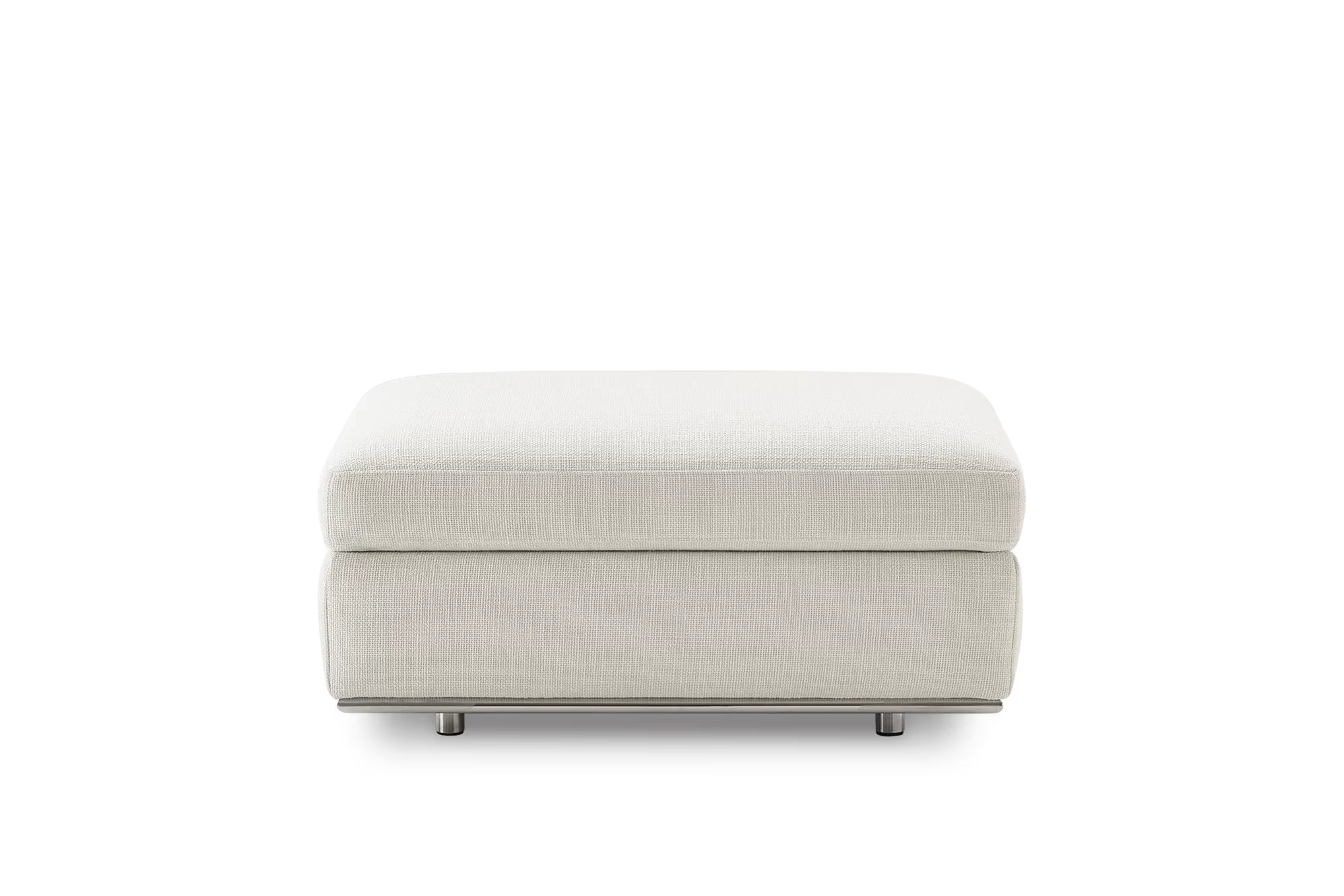
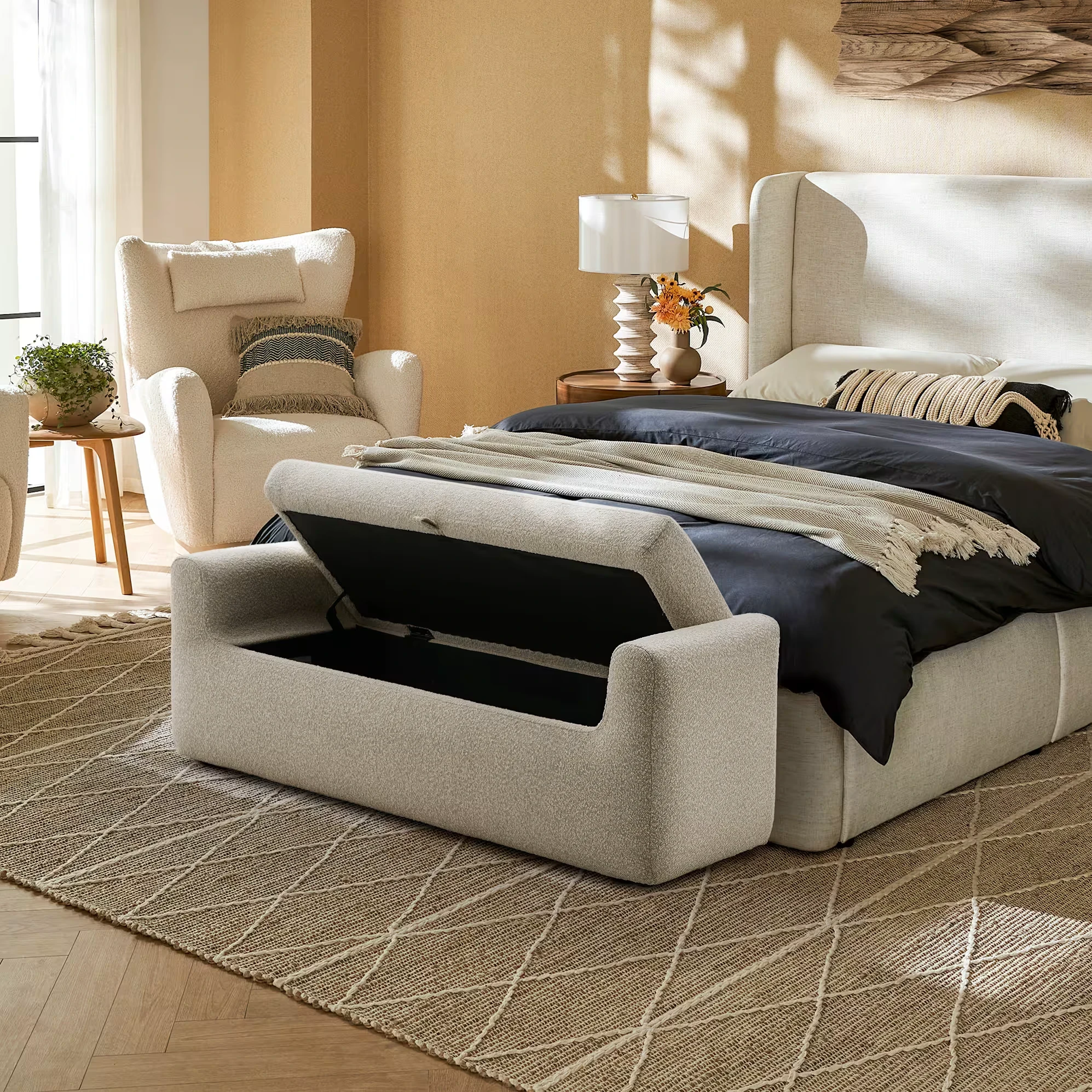
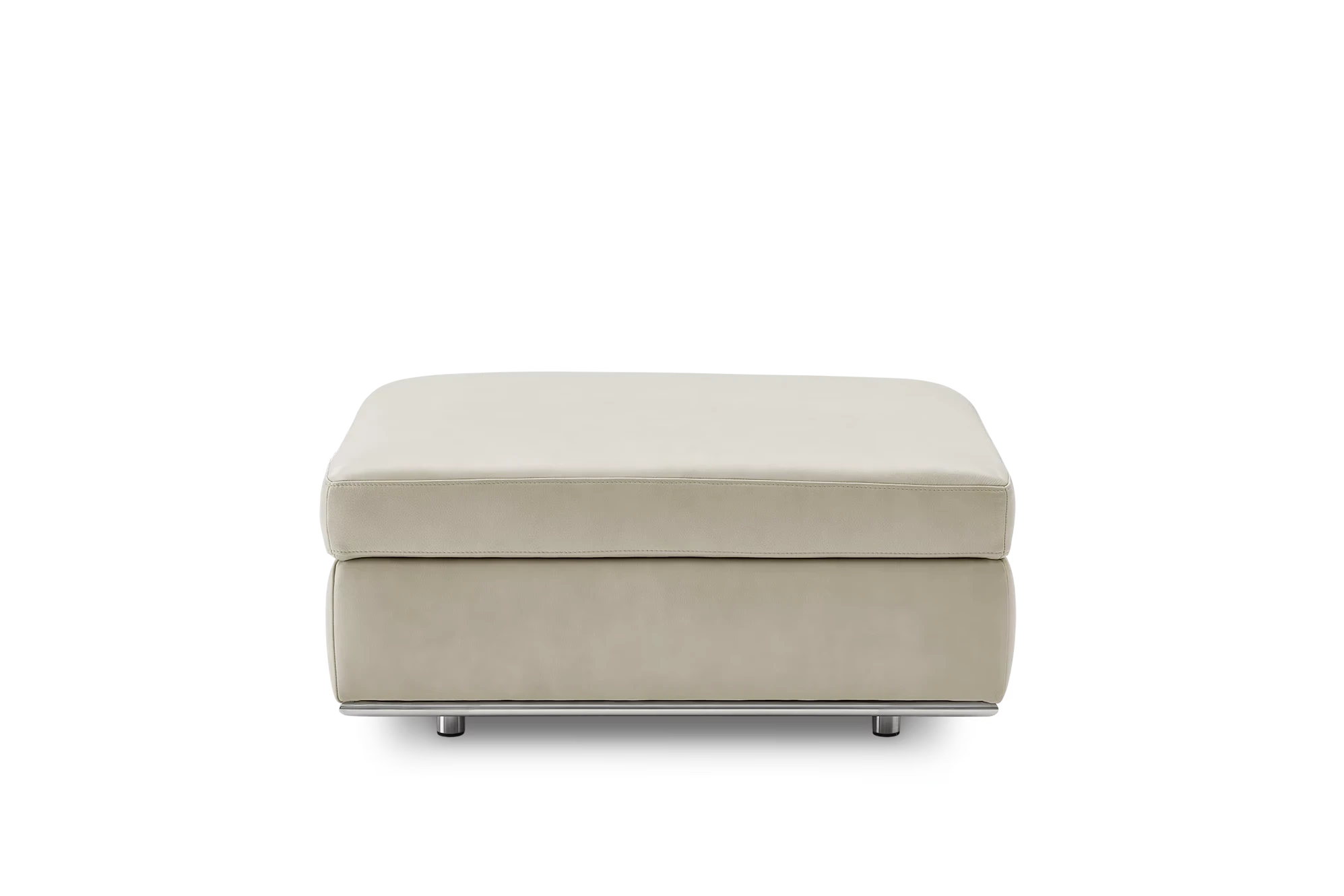
Storage that works in multiple rooms: Quality bookcases, dressers, console tables can move from room to room as needs change. A dresser becomes a media console becomes an entryway piece.
Neutral anchor pieces: Sofas and beds in neutral colours work with changing accent colours and styles. You can completely refresh a room's look by changing pillows, throws, and accessories while keeping major furniture.
Room Transitions Over Life Stages
The reality of long-term living: A home office becomes a nursery, becomes a child's room, becomes a guest room over decades.
Planning for transitions:
Choose quality pieces that can be repurposed (desk works in multiple rooms; crib doesn't)
Avoid overly specific furniture tied to one function
Invest in adaptable storage that serves changing needs
Build collections that move with you through life changes
Example progression:
20s: Living room with large sectional for entertaining friends
30s: Same room with smaller sofa to make space for play area
40s: Return to larger seating as kids grow
50s+: Rearrange for comfortable conversation and reading
The furniture that supports all these stages is quality, adaptable, and timeless—not trendy or overly specific.
The Beauty of Imperfect, Lived-In Spaces
Professionally designed spaces in magazines are beautiful but often feel untouchable. Real homes show use—books on side tables, throws draped over sofas, collections that grow and change.
The difference:
Magazine spaces: Photographed once, then rarely used
Real homes: Used daily, loved, lived in
Embrace the lived-in quality:
Wear on furniture tells stories
Collected objects reflect your life
Slight imperfections show real use
Spaces feel warm rather than precious
The goal isn't perfection: It's creating spaces that support and reflect your life as it actually is.
Key Takeaways
Developing personal style and creating evolving spaces requires patience and self-knowledge:
Create inspiration collections to identify authentic preferences versus assumed tastes
Mix styles using common threads (material, colour, proportion) rather than matching everything
Follow trends for accessories and accents; avoid for anchor pieces and major investments
Use AI-powered search to discover options; trust your judgment for final decisions
Furnish gradually over 12-24 months to make better decisions and enable quality investment
Design for flexibility with adaptable furniture that serves multiple uses and life stages
Embrace imperfection—lived-in spaces with character beat sterile perfection
The homes that feel most authentic are those furnished gradually, with intention, as you learn your space and your genuine preferences. Style isn't chosen from a menu—it emerges from understanding what genuinely appeals to you and why.
