

What Furniture to Buy First: The Anchor-First Approach
Trying to furnish an entire home at once leads to poor decisions, budget strain, and rooms that don't work together. Professional designers use a sequential approach, starting with anchor pieces and building from there.
This methodical strategy prevents overwhelm, ensures cohesion, and allows you to invest in quality where it matters most. Here's exactly how to prioritize your furniture purchases for a well-furnished home.
Why Room-by-Room Priority Matters
Not all rooms are created equal when it comes to furnishing priority. The recommended sequence follows how you actually live in your home:
The Proven Budget Allocation Framework
1. Living Room (40% of total furniture budget) The most used space for daily life and guests. You spend hours here every day—reading, watching TV, entertaining, relaxing. This room sets the aesthetic tone for your entire home and receives the most use from both household members and visitors.
2. Bedroom (30% of total furniture budget) Essential for rest and recovery. Quality sleep affects health, mood, and productivity. Since you spend a third of your life in bed, this investment directly impacts well-being. A properly furnished bedroom also provides a personal retreat from daily stress.
3. Dining Room (20% of total furniture budget) Important for meals and gathering. Whether you eat here daily or reserve it for entertaining, the dining room facilitates connection and shared experiences. A quality dining set can last decades and often becomes an heirloom piece.
4. Other Spaces (10% of total furniture budget) Home office, guest room, outdoor areas. These spaces matter but shouldn't consume your budget until primary areas function well. A guest room doesn't need to be complete if your living room is half-furnished.
Why This Allocation Makes Sense
This distribution isn't arbitrary. You spend more time in your living room and bedroom than anywhere else. These spaces also set the design direction for your entire home. Once you establish materials, colours, and style in these primary spaces, other rooms follow naturally.
The 40-30-20-10 split also reflects furniture costs. Living room furniture (sofa, coffee table, media console, seating) genuinely costs more than outfitting a guest room. Bedrooms require significant investment in the bed and mattress. Dining rooms need one major piece (the table) and chairs.
Why Not Furnish Everything at Once?
Living in a space reveals actual needs You discover where you actually sit, which corners get used, where light falls at different times of day. You might think you need a large coffee table, but after a month, realise you prefer nesting tables for flexibility. You might assume a corner needs a chair, then discover it's perfect for a floor lamp and side table instead.
Budget spreading enables quality prioritization Spreading furniture purchases over 12-24 months lets you invest in quality anchor pieces rather than buying everything at once at a lower quality. One exceptional sofa is better than a mediocre sofa, mediocre chairs, and mediocre tables combined.
Design evolution as you understand your preferences Your taste develops as you live in a space and see how different pieces work together. Early purchases inform later ones. You learn what materials you gravitate toward, what colours make you happy, and what level of ornamentation feels right.
Avoiding trend-driven purchases When you rush to furnish, you're more likely to buy what's currently trendy rather than what truly suits your needs and aesthetics. Taking time allows trends to pass and your authentic preferences to emerge.
Identifying Anchor Pieces in Each Room
An anchor piece is the largest and most significant item in a room—the piece that dictates the scale and style of everything else. Think of it as the foundation upon which the rest of the room builds.
Living Room: The Sofa as Anchor
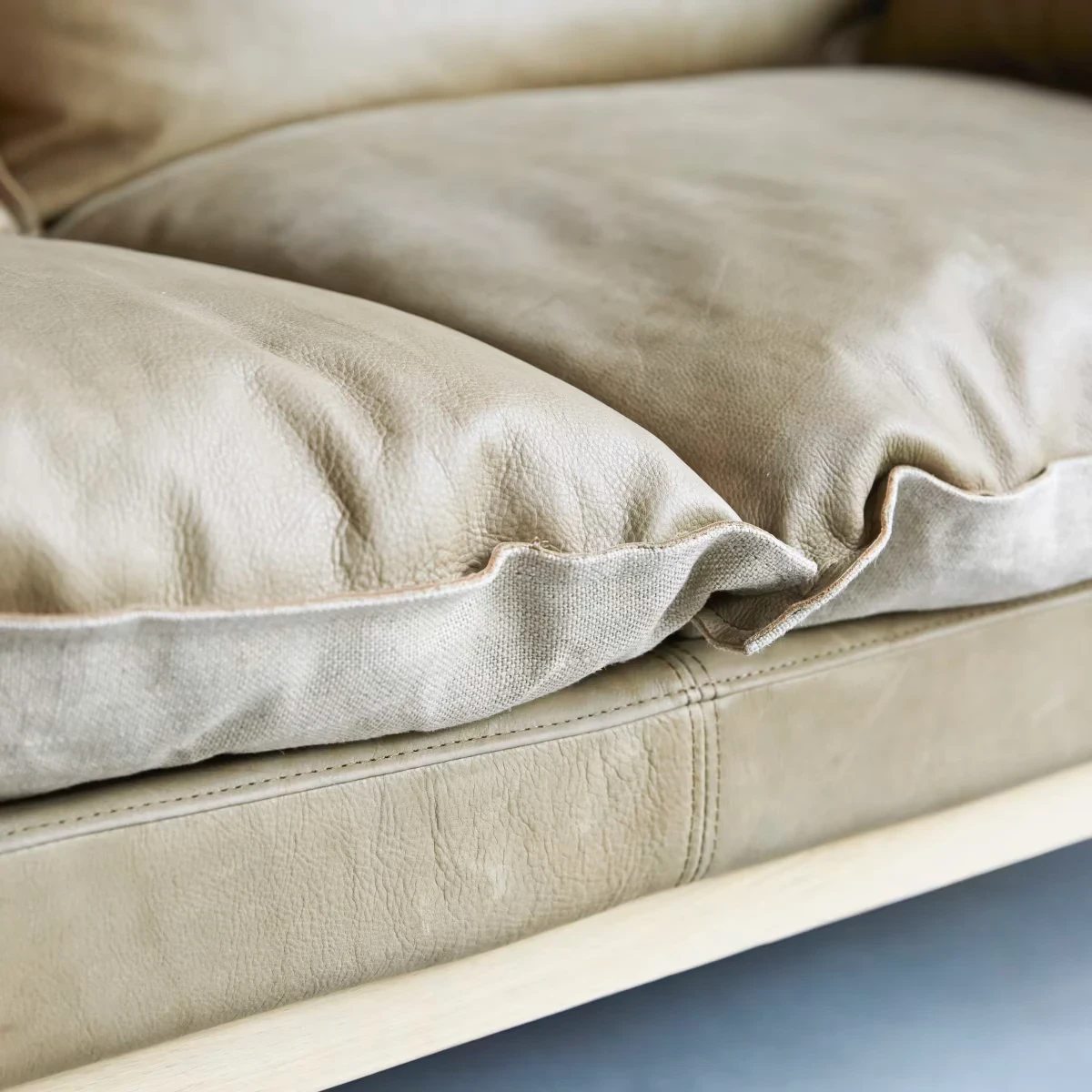
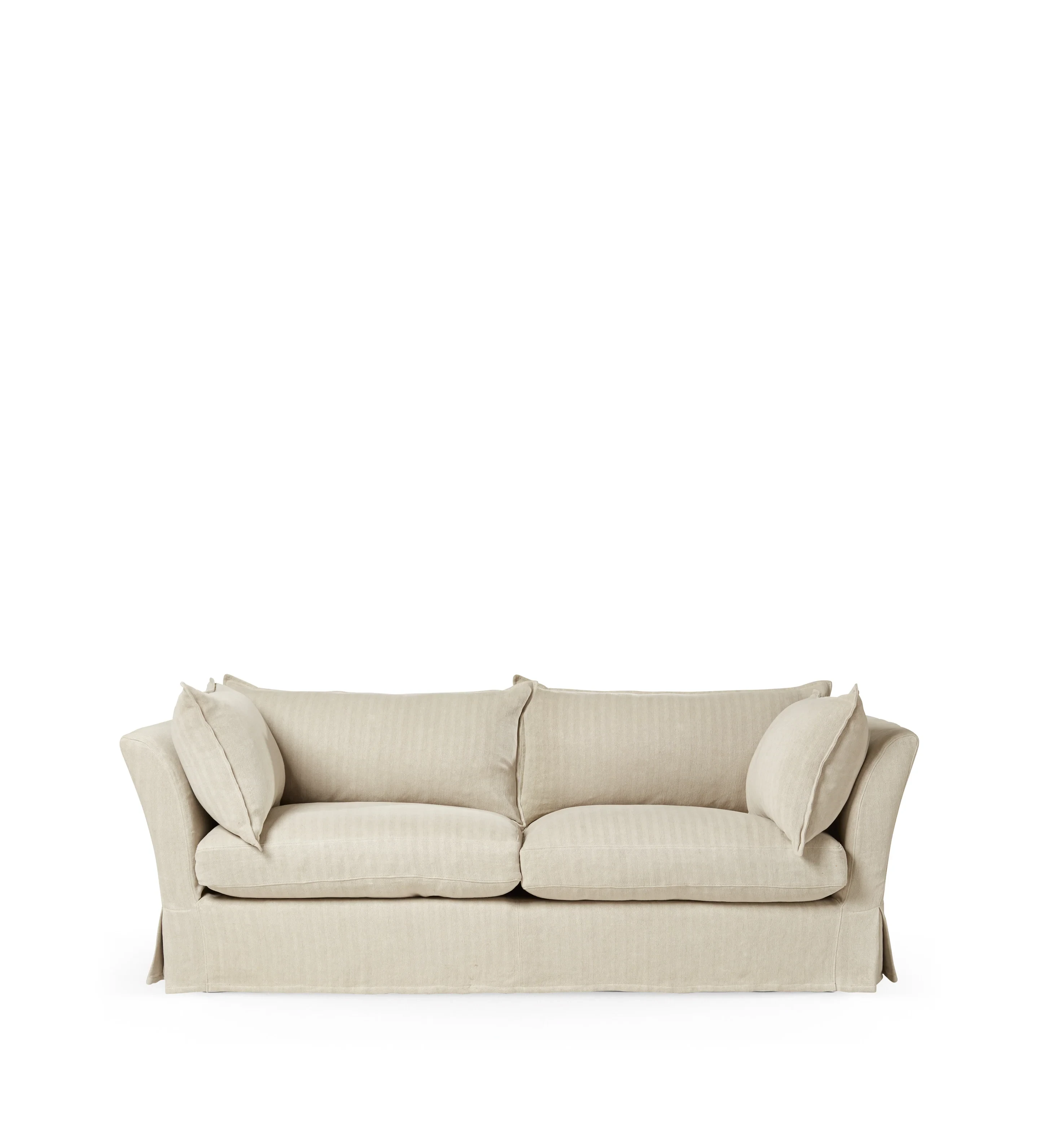
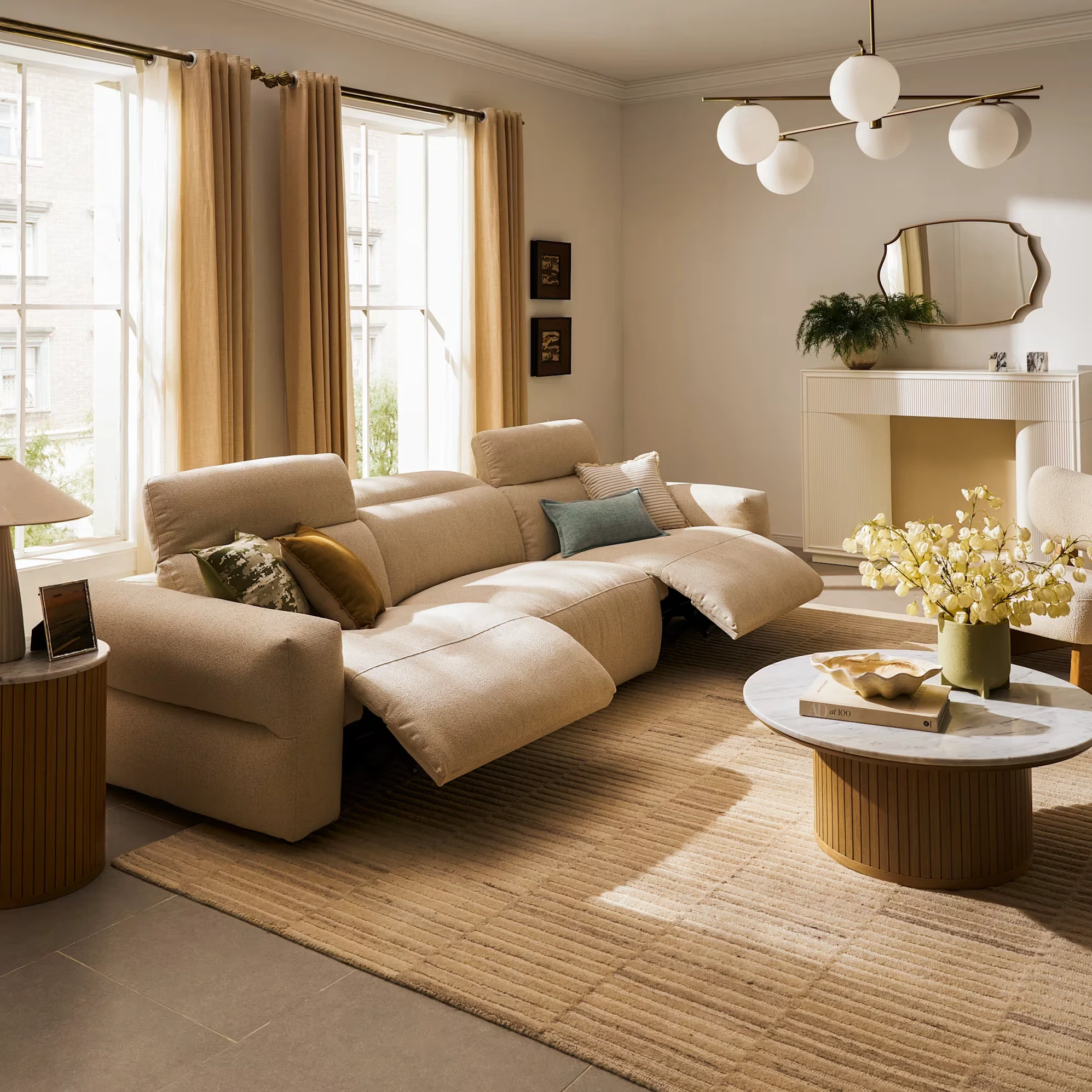
The sofa is nearly always the anchor piece in a living room. Its size, style, colour, and material set the tone for the entire space. Choose your sofa first, then build around it.
Why the sofa anchors the room:
Largest piece of furniture in most living rooms
Most expensive single item
Most used piece (daily sitting, lounging, entertaining)
Defines the style direction (modern, traditional, eclectic)
Dictates colour palette and material choices
What to consider for your sofa:
Size appropriate to room dimensions (see scale and proportion guide)
Comfort for your actual usage (deep cushions for lounging vs. firmer for formal sitting)
Durability of frame and upholstery
Colour that works long-term (neutrals offer flexibility; bold colours make a statement)
Material that suits your lifestyle (performance fabrics for families with kids/pets)
Style direction that reflects your authentic preferences (see finding your furniture style)
Furnishing a compact UK space? Our [guide to furnishing a small London flat](/blog/how-to-furnish-a-small-london-flat-the-57-square-metre-playbook) includes dimension-specific sofa recommendations for rooms under 15 square metres.
Once you have your sofa, everything else references it. Coffee table height matches sofa seat height. Accent chair style complements or deliberately contrasts with the sofa. Rug colour coordinates. The sofa is the anchor from which all other decisions flow.
Product Collection: Investment anchor pieces built to last 15-20 years
Bedroom: The Bed as Anchor
The bed frame (and mattress) is your bedroom anchor. Bed size determines furniture placement, and the headboard style often becomes the room's visual focal point.
Why the bed anchors the room:
Largest furniture piece in the bedroom
Centerpiece and focal point upon entering
Impacts sleep quality (mattress) and room aesthetics (frame)
Determines layout of all other bedroom furniture
Sets style direction for the space
What to consider for your bed:
Size based on room dimensions and sleeping needs (see sizing guidelines below)
Headboard style and height (taller headboards for high ceilings, low-profile for standard)
Frame construction and quality (solid wood or metal preferred)
Mattress quality—this is where investment truly matters for health
Storage needs (platform beds with drawers for small spaces)
The bed determines where nightstands go, how dressers fit, and whether you have space for seating. Choose the bed first, then arrange supporting furniture around it.
Product Collection: Bedroom anchors that enhance sleep quality and room aesthetics
Dining Room: The Table as Anchor
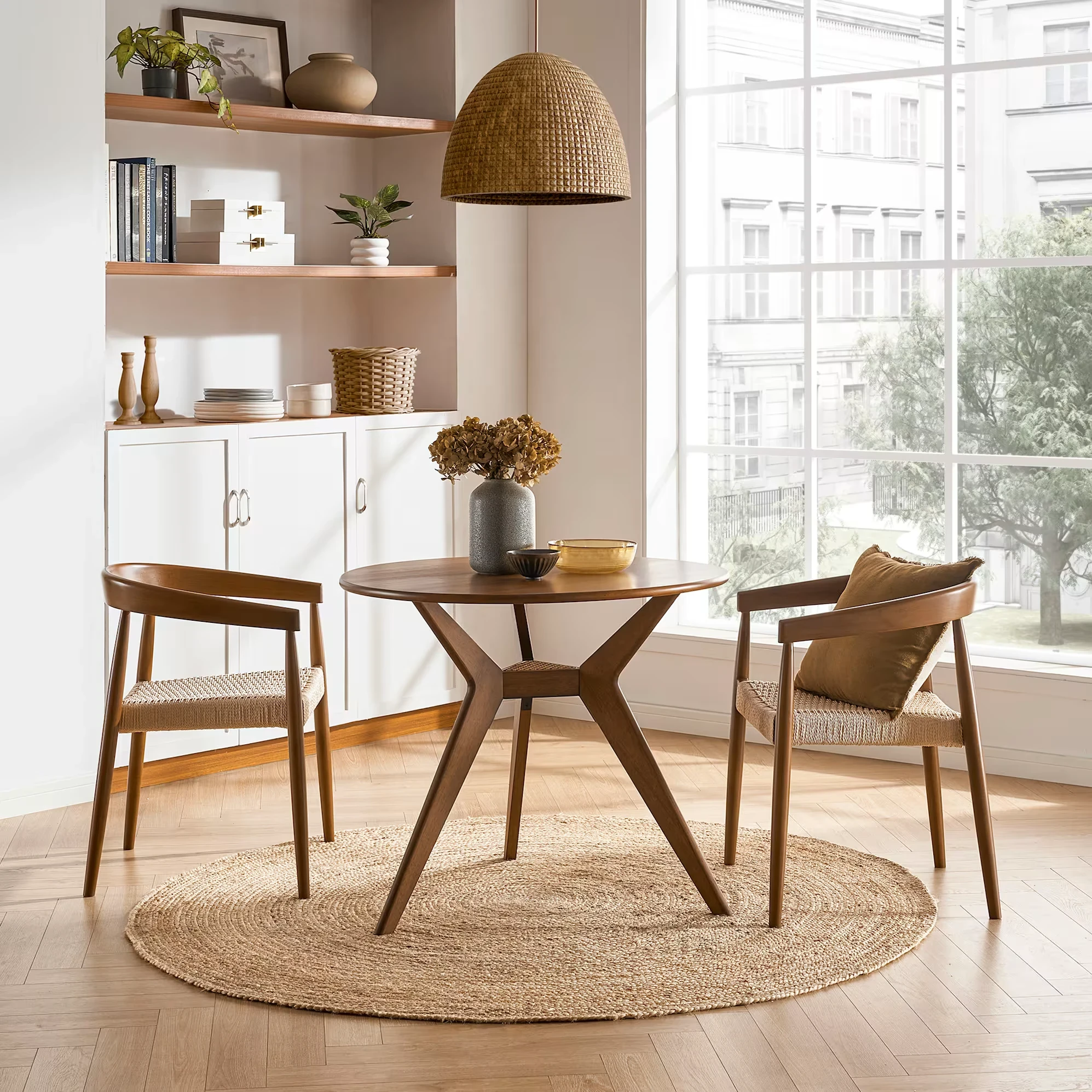
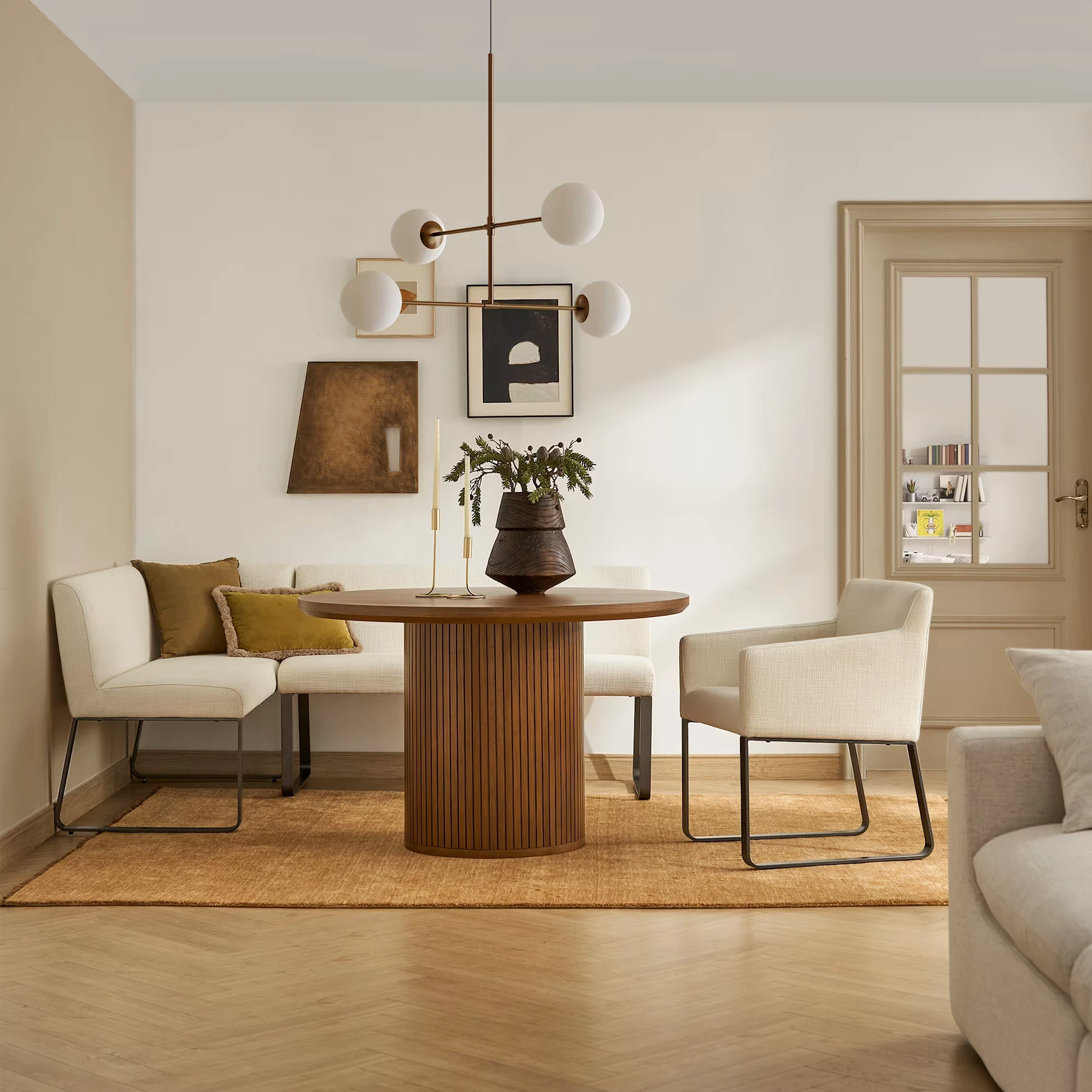
The table is the anchor piece in your dining room. Its shape (rectangular, round, oval) and size determine how many people can comfortably dine and how much additional furniture fits in the space.
Why the table anchors the room:
Central piece both physically and functionally
Determines seating capacity
Longest-lasting furniture purchase (quality tables last generations)
Sets style and material palette
Dictates room layout and traffic flow
What to consider for your dining table:
Size based on room dimensions and seating needs
Shape for your space (rectangular for long rooms, round for square spaces, oval for flexibility)
Material and finish durability (solid wood, quality veneer, easy-to-maintain surfaces)
Extension capability for hosting guests
Table height and proportion to chairs
Dining chairs, lighting, buffets, and other pieces all relate to the table. Start with the right table, and the rest follows logically.
Product Collection: Dining tables built to last generations
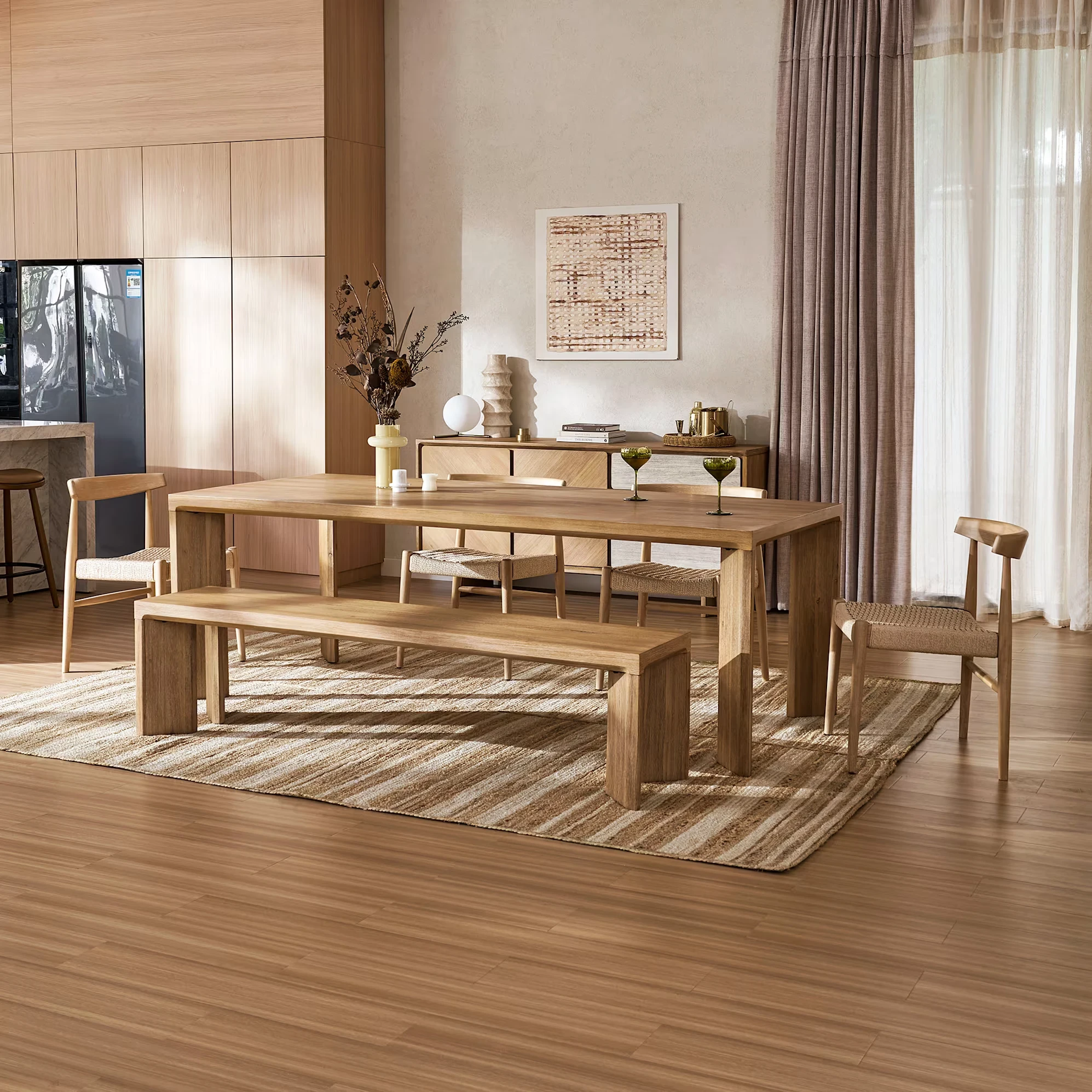
The Furniture Hierarchy: Anchor, Support, Accent
Once you've selected an anchor piece, supporting furniture follows a clear hierarchy:
Anchor - The Primary, Most Significant Piece
This is the largest, most expensive, most used piece that sets the room's direction:
Living room: Sofa
Dining room: Dining table
Home office: Desk
Invest 60-70% of each room's budget here. This piece should be the highest quality you can afford because it receives the most use and has the greatest impact on the room's success.
Support - Essential Complementary Pieces
Supporting furniture makes the anchor functional and completes basic room usability:
Living room support pieces:
Coffee table (within reach of sofa, 2/3 sofa length)
Bedroom support pieces:
Nightstands (one or two, depending on bed size)
Mattress (if not purchased with bed frame)
Dining room support pieces:
Dining chairs (match table style and height)
Allocate 20-30% of each room's budget to support pieces. These don't need to be as high-end as anchors, but should be functional and coordinate with your anchor piece.
Product Collection: Essential support pieces that complete your anchor furniture
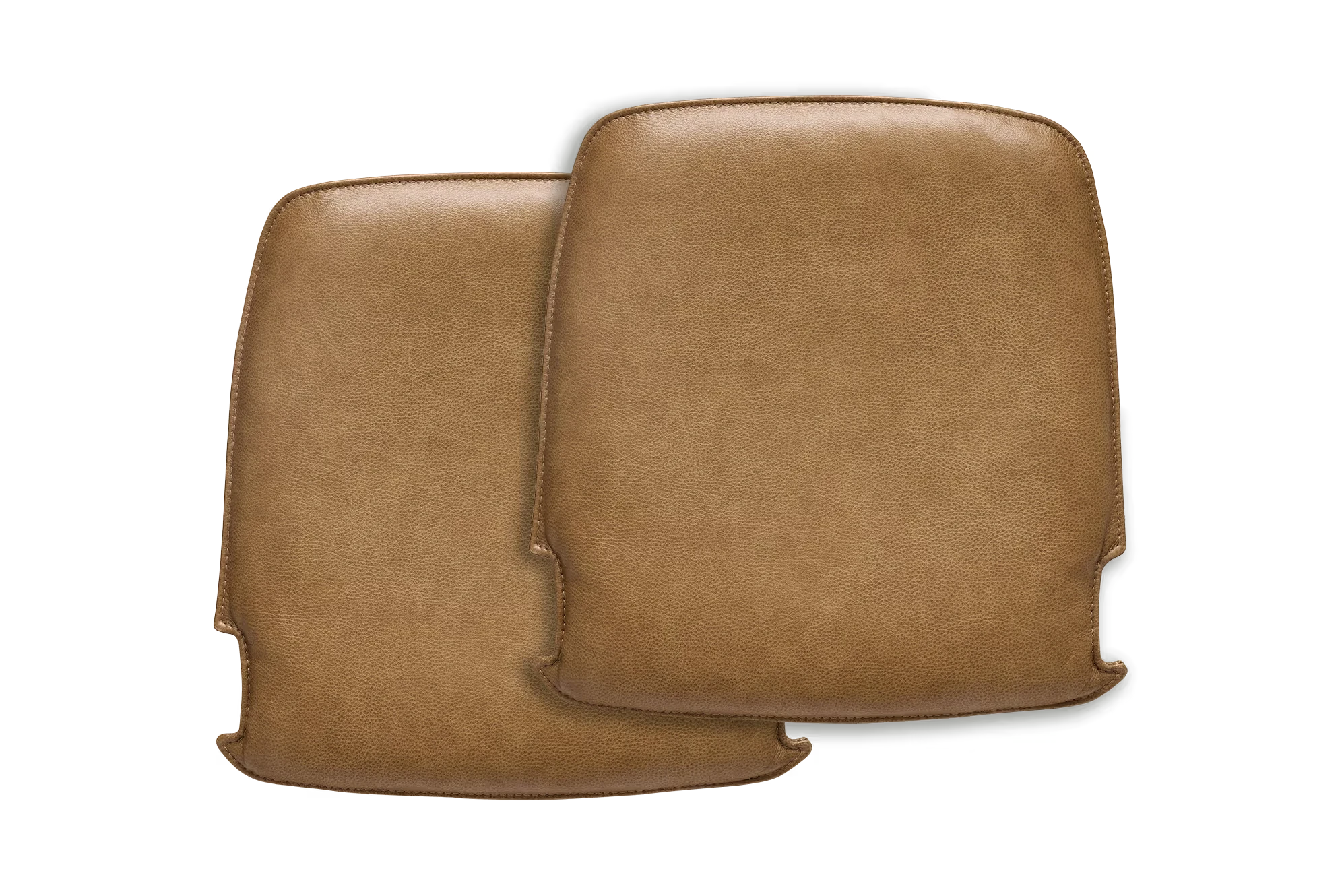
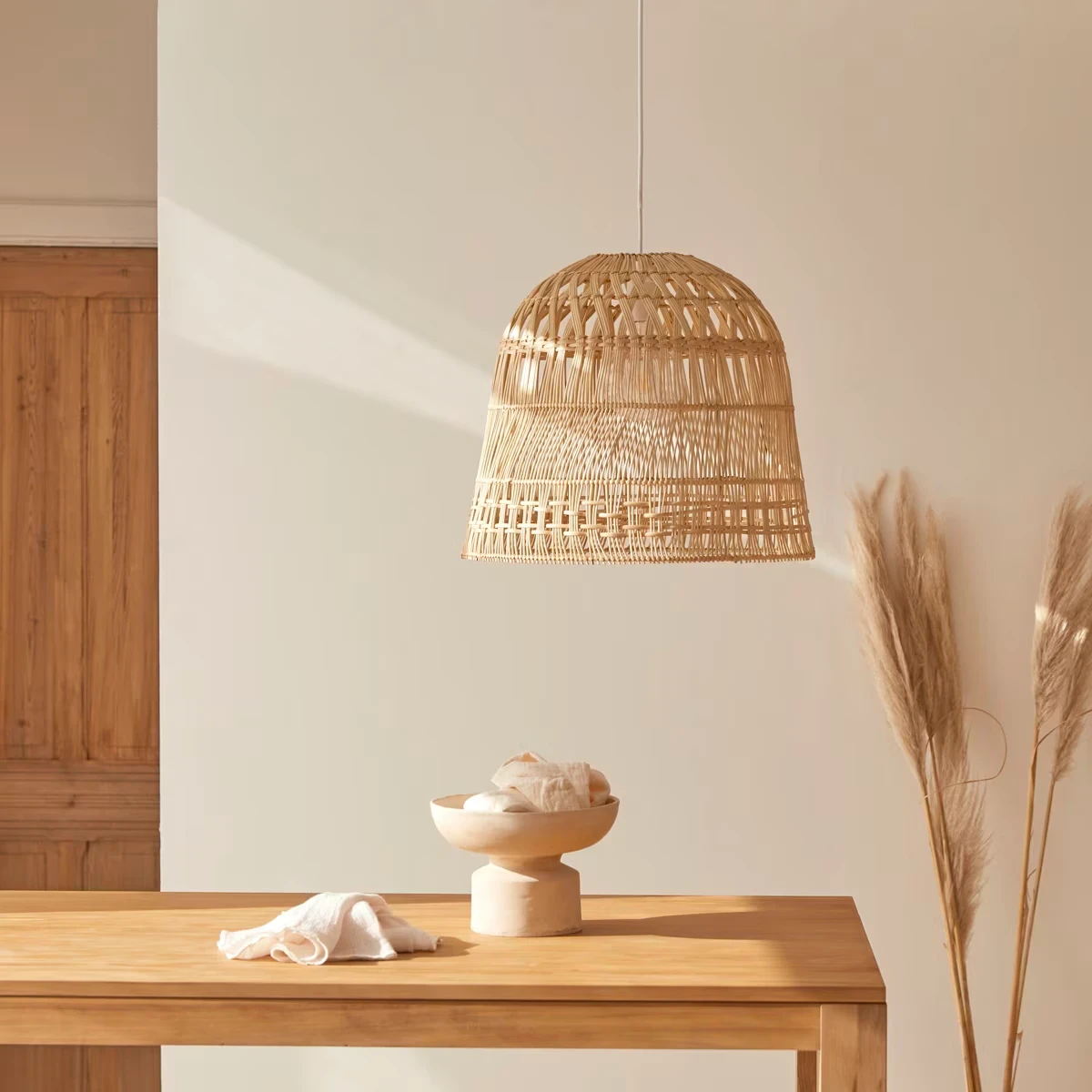
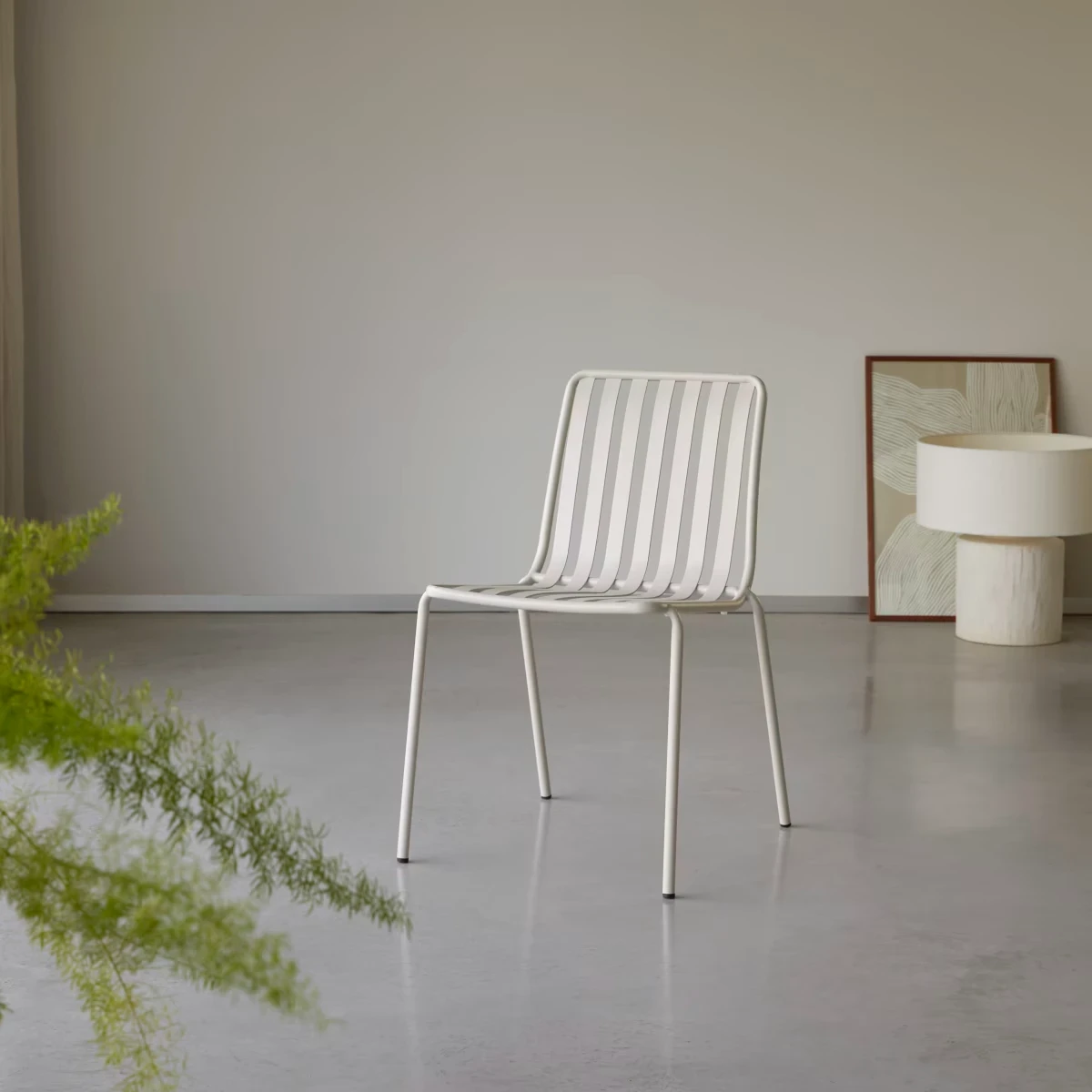
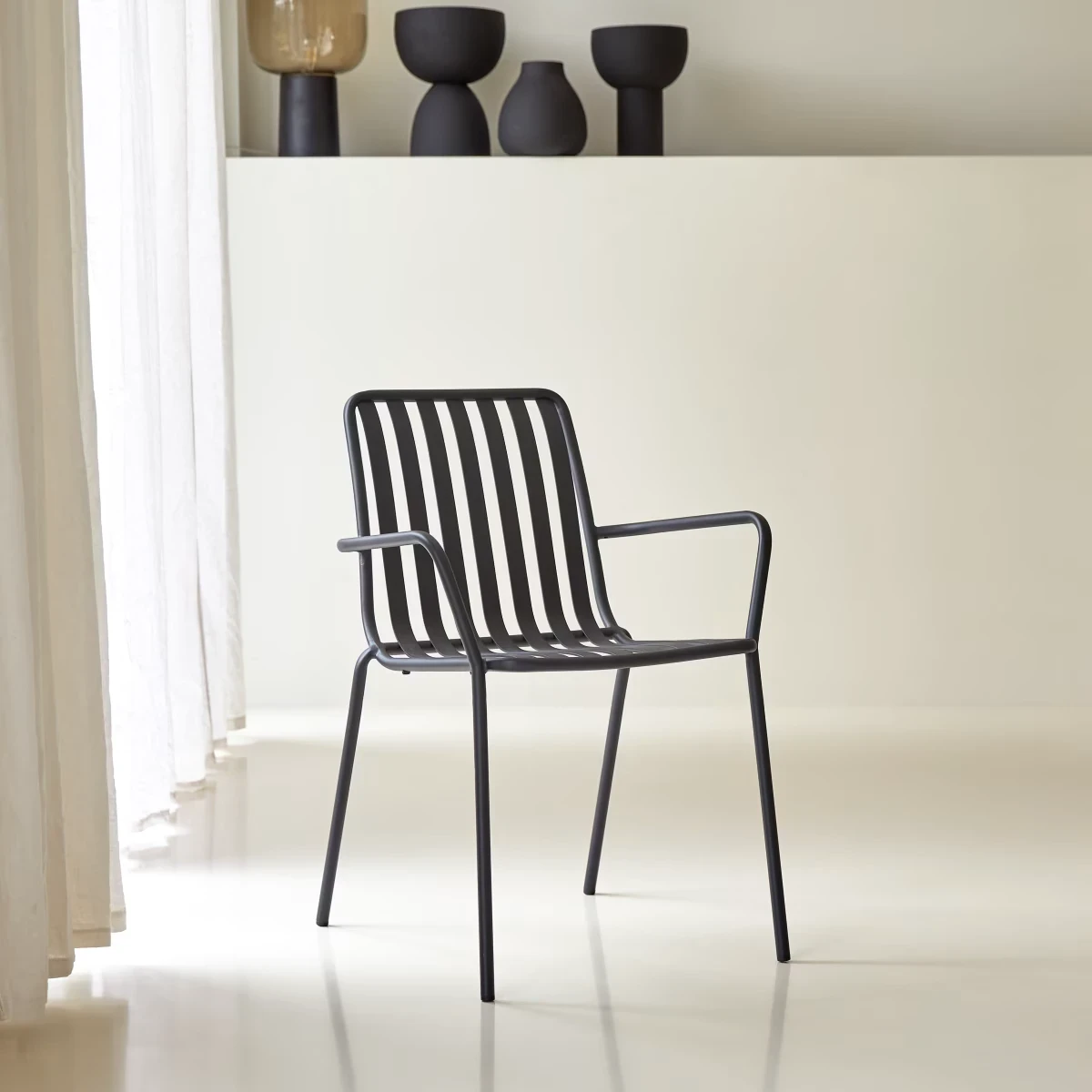
Accent - Finishing Touches That Add Personality
Accent pieces complete the room and add character without being essential to function:
Living room accents:
Bedroom accents:
Dining room accents:
Reserve 10-20% of each room's budget for accents. These pieces can be more trend-forward, less expensive, or changed over time as your style evolves.
Product Collection: Smart budget choices for accent furniture
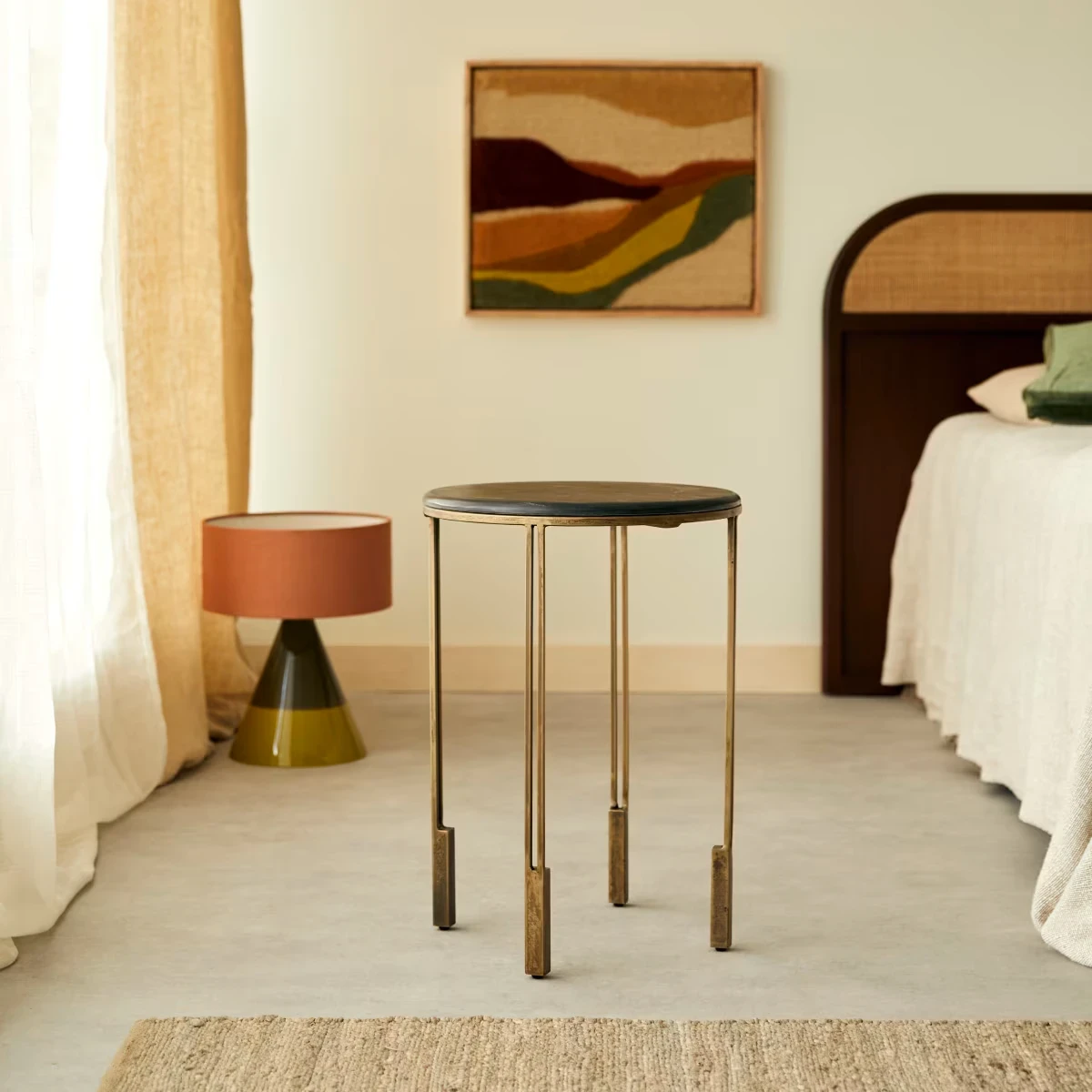
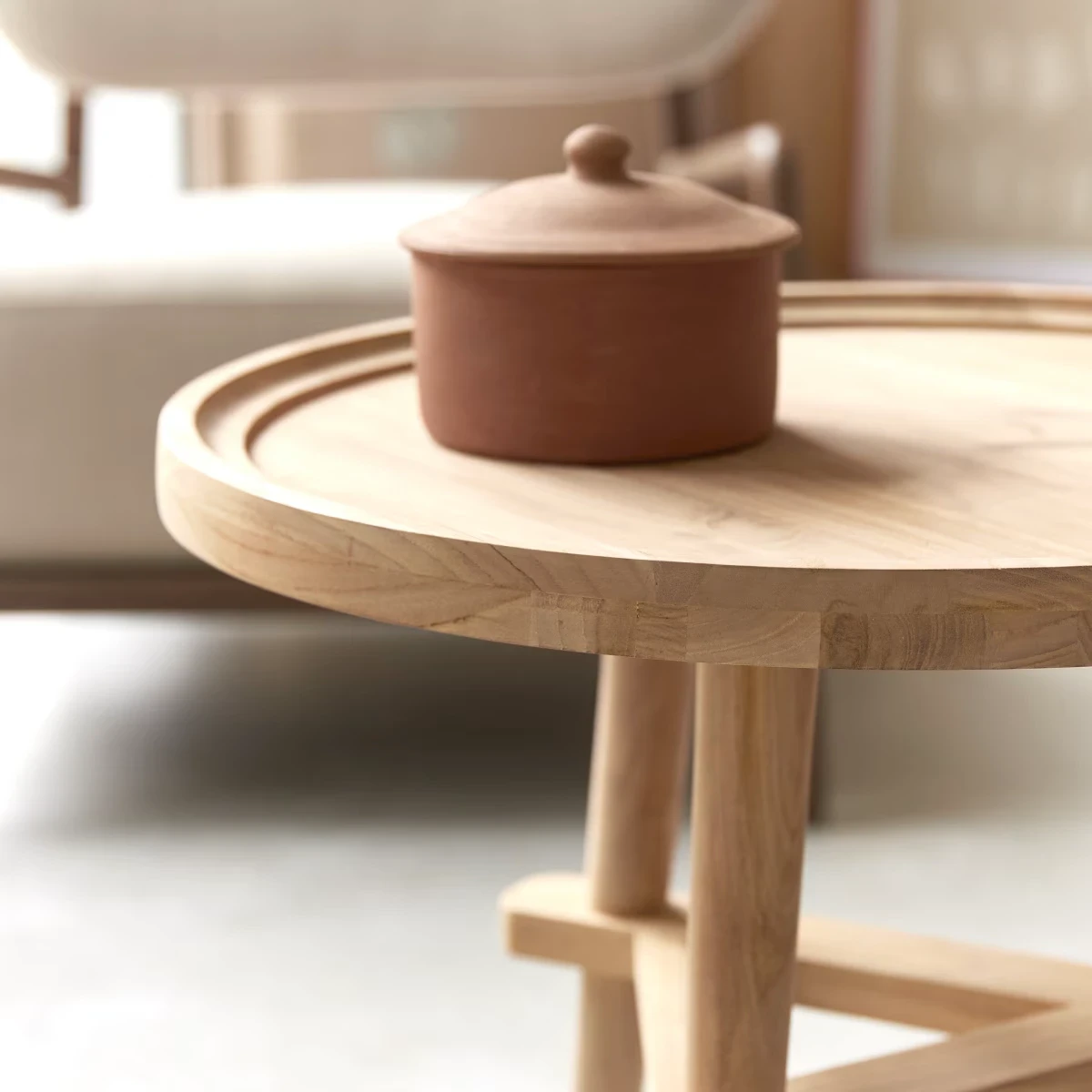
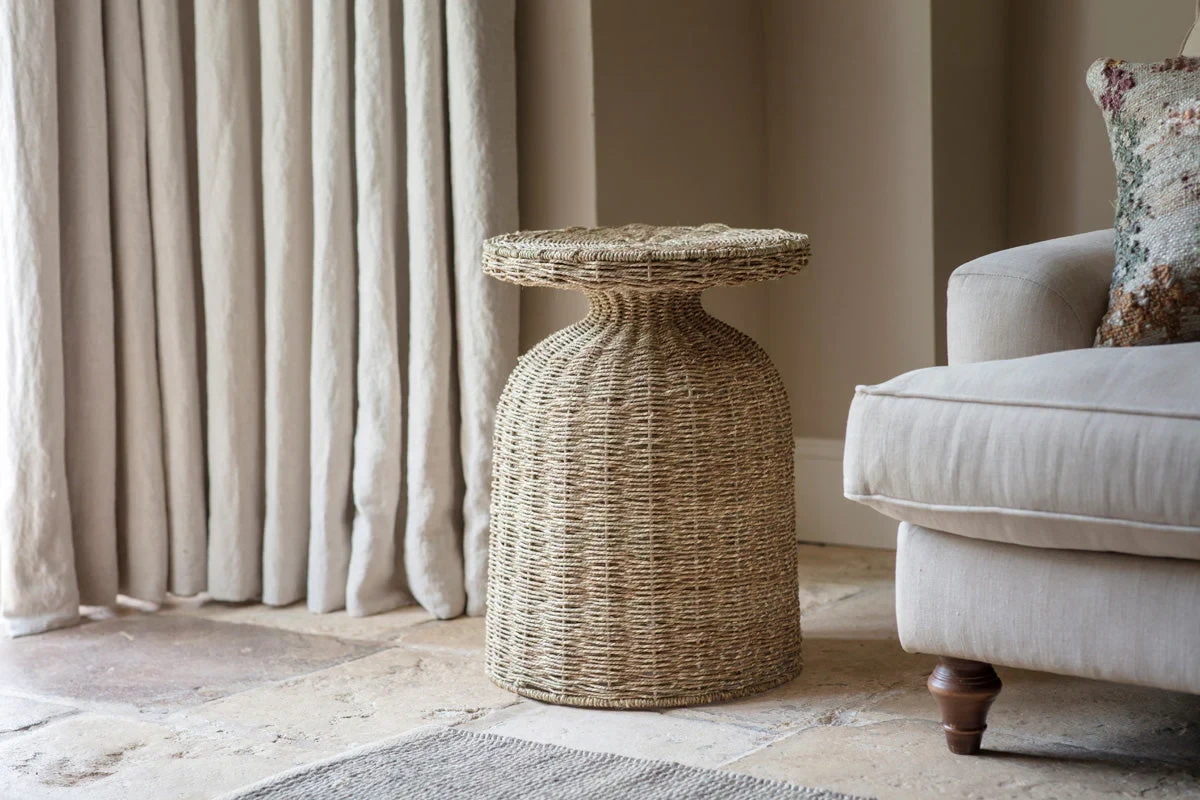
This layered approach prevents overwhelm and ensures cohesion. Each layer builds on the previous one.
Dimensions That Matter: Measuring for Success
Nothing derails furnishing faster than buying furniture that doesn't fit. Before making any purchase, take these critical measurements.
Essential Measurements for Every Room
Overall room dimensions
Length × width (wall to wall)
Ceiling height (affects furniture height choices)
Note any sloped ceilings, alcoves, or irregular spaces
Doorway and passage dimensions
Width × height of all doorways
Hallway widths leading to the room
Stairway widths if delivering to upper floors
Elevator dimensions if in an apartment building
Window placement and sizes
Distance from floor to window sill
Window width (affects furniture placement in front of windows)
Window height (affects curtain/drape planning)
Electrical outlet locations
Mark outlets on your floor plan
Consider which furniture needs nearby power (lamps, media equipment)
Plan furniture placement around existing outlets or budget for new ones
Architectural features
Fireplaces and their clearance requirements
Built-in shelving or cabinets
Radiators or heating vents
Ceiling fixtures or fans
Living Room Specific Measurements
Distance from sofa placement to TV 7-9 feet for optimal viewing of a 50-55 inch TV. Measure from where the sofa will sit to where the TV will be mounted or placed. Too close causes eye strain; too far makes viewing difficult.
Clearance for coffee table 14-18 inches from sofa to coffee table edge. This allows leg room while keeping items within easy reach.
Pathway widths 36 inches minimum for main walkways through the room. This allows two people to pass comfortably or one person to carry items.
Rug size planning Measure to ensure front legs of all seating furniture can rest on the rug (not just the coffee table). This anchors the furniture grouping.
Dining Room Specific Measurements
Space from table edge to wall 36 inches minimum for chairs to pull out and people to walk behind seated diners. 42-48 inches is more comfortable if space allows.
Table to chandelier clearance 30-36 inches from table surface to bottom of chandelier. This provides adequate light without obstructing views across the table.
Per-person table space 24 inches of table edge per person minimum. 30 inches per person is more comfortable for formal dining.
Bedroom Specific Measurements
Bedside clearance 24-30 inches on each side of the bed for nightstands and comfortable movement. This allows you to make the bed and walk around easily.
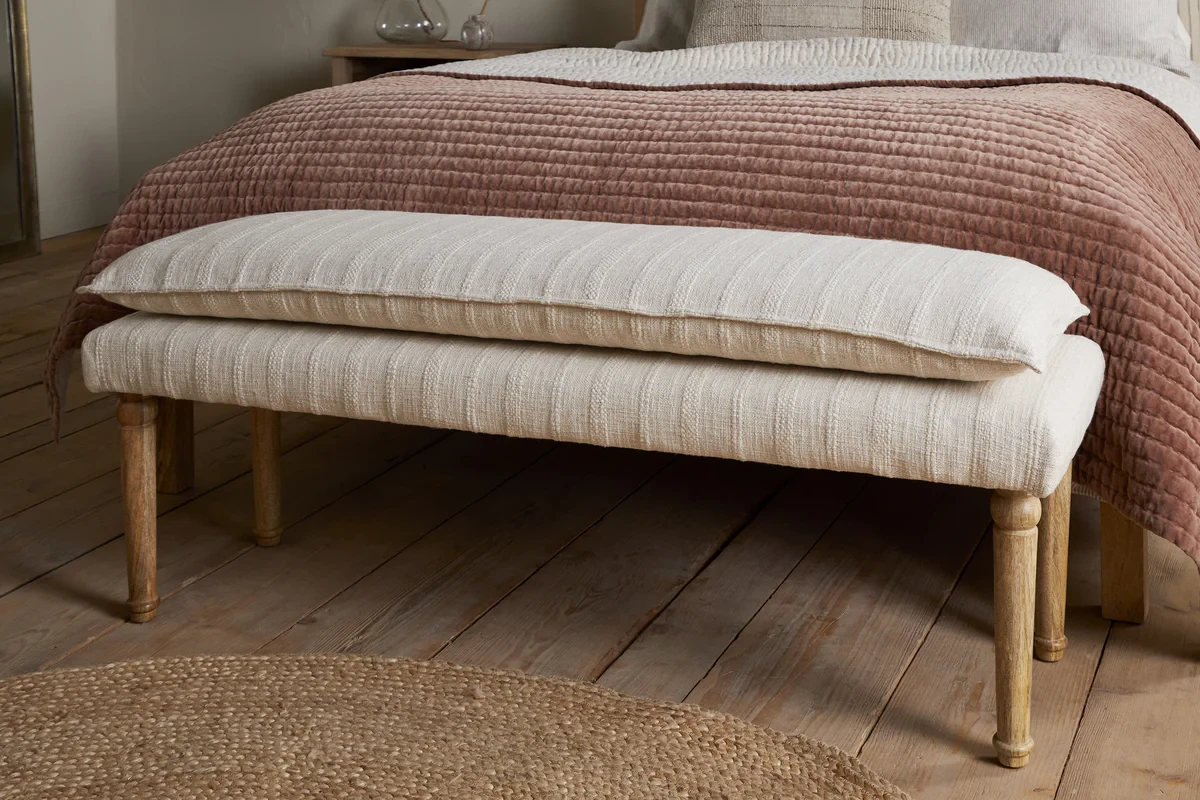
Foot-of-bed clearance 36 inches minimum to walk around. If adding a bench at the foot, ensure 36 inches beyond the bench to the wall or other furniture.
Dresser placement Ensure 36-42 inches in front of dresser for drawer opening and standing while using it.
Standard Furniture Dimensions to Know
Knowing standard dimensions helps you plan before shopping:
Coffee tables:
Height: 41-46 cm (16-18 inches)—matches sofa seat height
Length: 2/3 the length of your sofa
Width: 18-24 inches typical
Sofas:
Depth: 81-102 cm (32-40 inches)—deeper for lounging, shallower for formal sitting
Height: 32-36 inches to top of back
Length: Loveseat (58-64"), Standard (78-88"), Extra-large (90-100")
Dining furniture:
Chair seat height: 46 cm (18 inches)
Table height: 76 cm (30 inches)
Table width: 36-42 inches for most dining tables
Bedroom furniture:
Nightstand height: 61-71 cm (24-28 inches)—level with or slightly below mattress top
Dresser height: 30-50 inches depending on type
Mattress heights: 18-24 inches from floor to top of mattress
The Realistic Furnishing Timeline
Here's a practical timeline for furnishing a home well:
Months 1-3: Anchor Pieces for Primary Rooms
Living room anchor (Month 1)
Research sofas (2-3 weeks)
Test in-store and measure your space
Purchase sofa (consider 6-12 week lead times)
Bedroom anchor (Month 2)
Research beds and mattresses
Test mattresses in-store
Purchase bed frame and mattress
Dining room anchor (Month 3)
Measure dining space accurately
Determine shape and size needed
Purchase dining table
Spread these over three months to manage budget and delivery logistics. Most quality furniture has 6-16 week lead times currently, so ordering sequentially means pieces arrive when you're ready for them.
Months 4-6: Supporting Furniture
Living room support (Month 4)
Coffee table to coordinate with sofa
Media console if needed
Primary lighting (floor lamps, table lamps)
Bedroom support (Month 5)
Nightstands (matching or complementary pair)
Dresser or chest of drawers
Window treatments
Dining room support (Month 6)
Dining chairs (test comfort thoroughly)
Buffet or sideboard if space allows
Lighting fixture above table
Months 7-12: Accent Pieces and Secondary Furniture
Month 7-8: Living room completion
Accent chairs
Additional storage (console, bookshelf)
Decorative pieces
Month 9-10: Bedroom completion
Bench at foot of bed
Reading chair if space allows
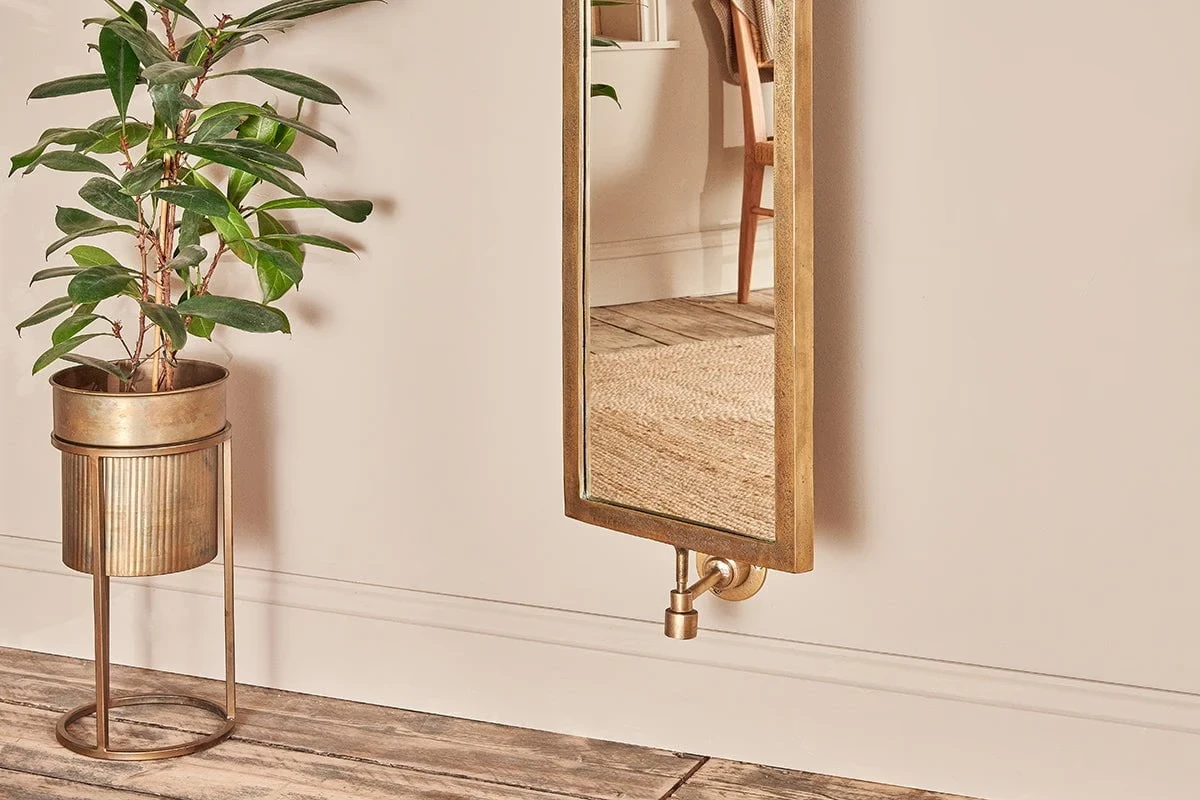
Final lighting and mirrors
Month 11-12: Remaining spaces
Home office essentials
Guest room basics
Outdoor furniture
Months 13-24: Art, Refinement, and Evolution
Final touches:
Artwork (take time to find pieces you truly love)
Collections and personal items
Upgrades to temporary pieces
Any gaps revealed by living in the space
This timeline is a framework, not a rigid schedule. Adjust based on your budget, needs, and how quickly you need spaces functional. The key principle remains: build gradually, starting with anchors.
Key Takeaways
Successful furnishing follows a strategic sequence:
Prioritize by actual living patterns: Living room (40%), bedroom (30%), dining room (20%), other spaces (10%)
Start with anchor pieces: The sofa, bed, or dining table that dictates everything else
Follow the furniture hierarchy: Anchor first, then support pieces, finally accents
Measure everything twice: Room dimensions, doorways, clearances, and standard furniture sizes
Spread purchases over 12-24 months: Allows for quality investment and prevents rushed decisions
Let early purchases inform later ones: Your first anchor piece helps you understand your style and needs
The anchor-first approach prevents overwhelm, ensures cohesion, and creates rooms that genuinely work for how you live.
Next steps: Learn about creating material cohesion with through lines, understand scale and proportion principles, or discover your authentic furniture style.
Frequently Asked Questions
What furniture should I buy first for a new home? Start with anchor pieces: a sofa for your living room, a bed for your bedroom, and a dining table. These foundational pieces dictate scale and style for everything else. Supporting furniture (coffee tables, nightstands, chairs) comes next, followed by accent pieces.
How should I allocate my furniture budget? Allocate 40% to your living room, 30% to your bedroom, 20% to your dining room, and 10% to other spaces. Within each room, spend 60-70% on the anchor piece, 20-30% on support pieces, and 10-20% on accents.
How long should furnishing a house take? 12-24 months allows for thoughtful decisions, quality investment, and learning how you actually use your space. Months 1-3 cover anchor pieces, months 4-6 add support furniture, months 7-12 complete rooms with accents, and months 13-24 add art and refinements.
What is an anchor piece in furniture? An anchor piece is the largest and most significant item in a room that dictates the scale and style of everything else. In living rooms, it's the sofa. In bedrooms, it's the bed. In dining rooms, it's the table. Choose anchors first, then build around them.
Should I buy all my furniture at once? No. Buying all at once leads to compromises, budget strain, and pieces that don't work together. Living in a space reveals actual needs. Spreading purchases over time allows quality investment and design evolution as you understand your preferences.
What measurements do I need before buying furniture? Record room dimensions (length × width × height), doorway dimensions (will it fit through?), window placements, electrical outlet locations, and any architectural features. For specific pieces, measure clearances: 18-24 inches between furniture, 36 inches for walkways, 14-18 inches from sofa to coffee table.
How much should I spend on a sofa vs. other living room furniture? Spend 60-70% of your living room budget on the sofa (your anchor piece). It receives the most use and has the greatest impact on comfort and aesthetics. The remaining 30-40% covers coffee table, media console, accent chairs, and lighting.
What's the difference between anchor, support, and accent furniture? Anchor pieces are the largest, most essential items that set each room's direction (sofa, bed, dining table). Support pieces are necessary complements that make anchors functional (coffee table, nightstands, dining chairs). Accent pieces add personality without being essential (accent chairs, ottomans, decorative items).

