

How to Choose the Perfect Sofa: The Complete Buying Guide
Choosing the right sofa is one of the most important furniture decisions you'll make. It's where you'll unwind after work, host friends, binge your favourite shows, and maybe even catch the occasional nap. With so many options available, finding the perfect sofa can feel overwhelming. This guide breaks down everything you need to know to make the right choice.
Why Your Sofa Choice Matters
Your sofa is likely the largest piece of furniture in your living room and often the most expensive. A well-chosen sofa will serve you for 10-15 years, while a poor choice can leave you uncomfortable and dissatisfied within months. Getting it right the first time saves money, hassle, and disappointment.
Measure Your Space First
Before falling in love with any sofa, you need to know exactly what will fit in your space.
The Essential Measurements
Room dimensions: Measure your entire room, noting windows, doorways, and radiators. A sofa should never block pathways or crowd other furniture.
Doorways and stairs: This is where many people get caught out. Measure every doorway, hallway, and stairwell the sofa needs to pass through. Add a few inches for manoeuvring room.
The 'sofa footprint': Use painter's tape to mark out the sofa dimensions on your floor. Live with it for a few days to see how it affects traffic flow.
Size Guidelines
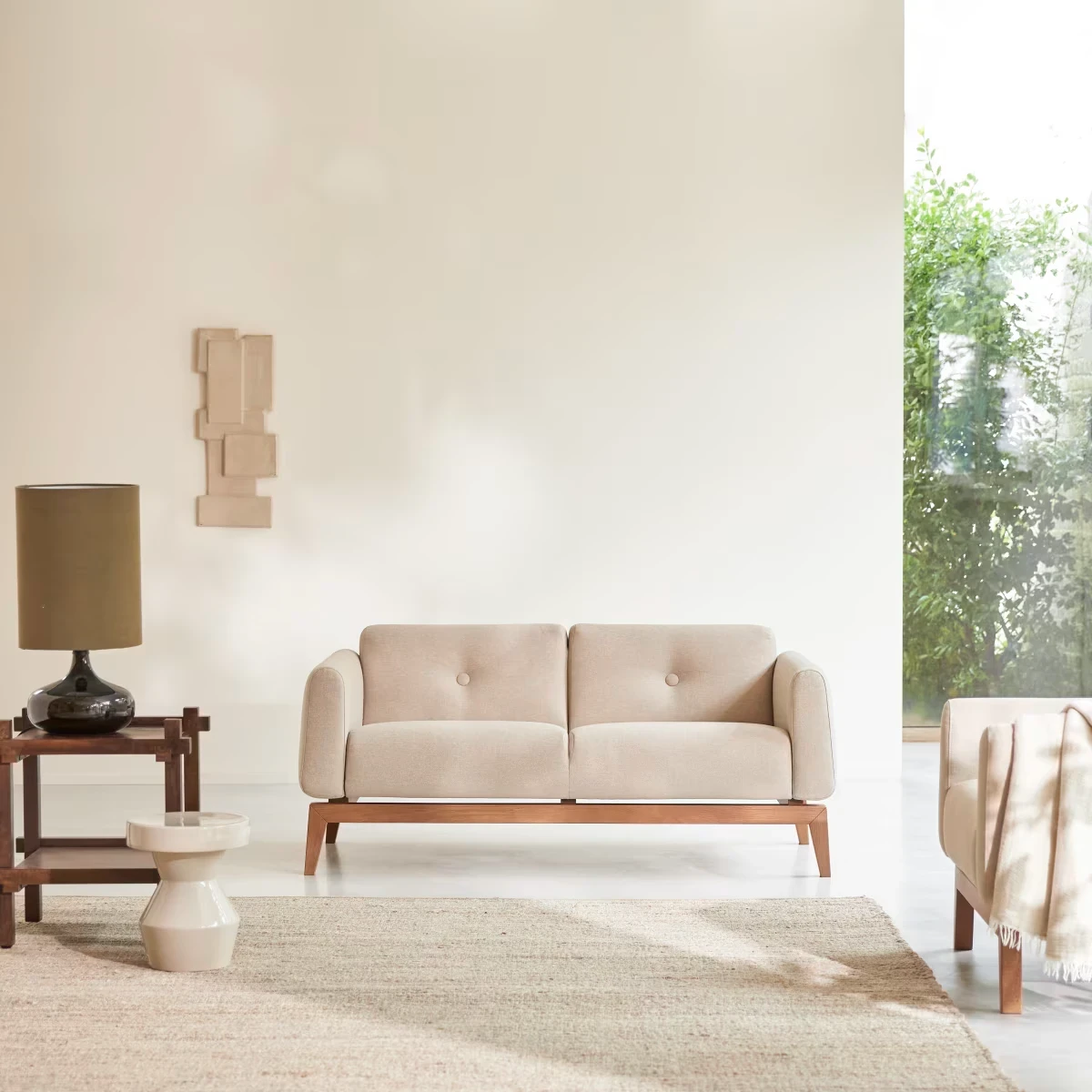
2-seater sofas (140-180cm): Ideal for small living rooms, flats, and secondary seating areas
3-seater sofas (180-220cm): The most popular choice for average living rooms
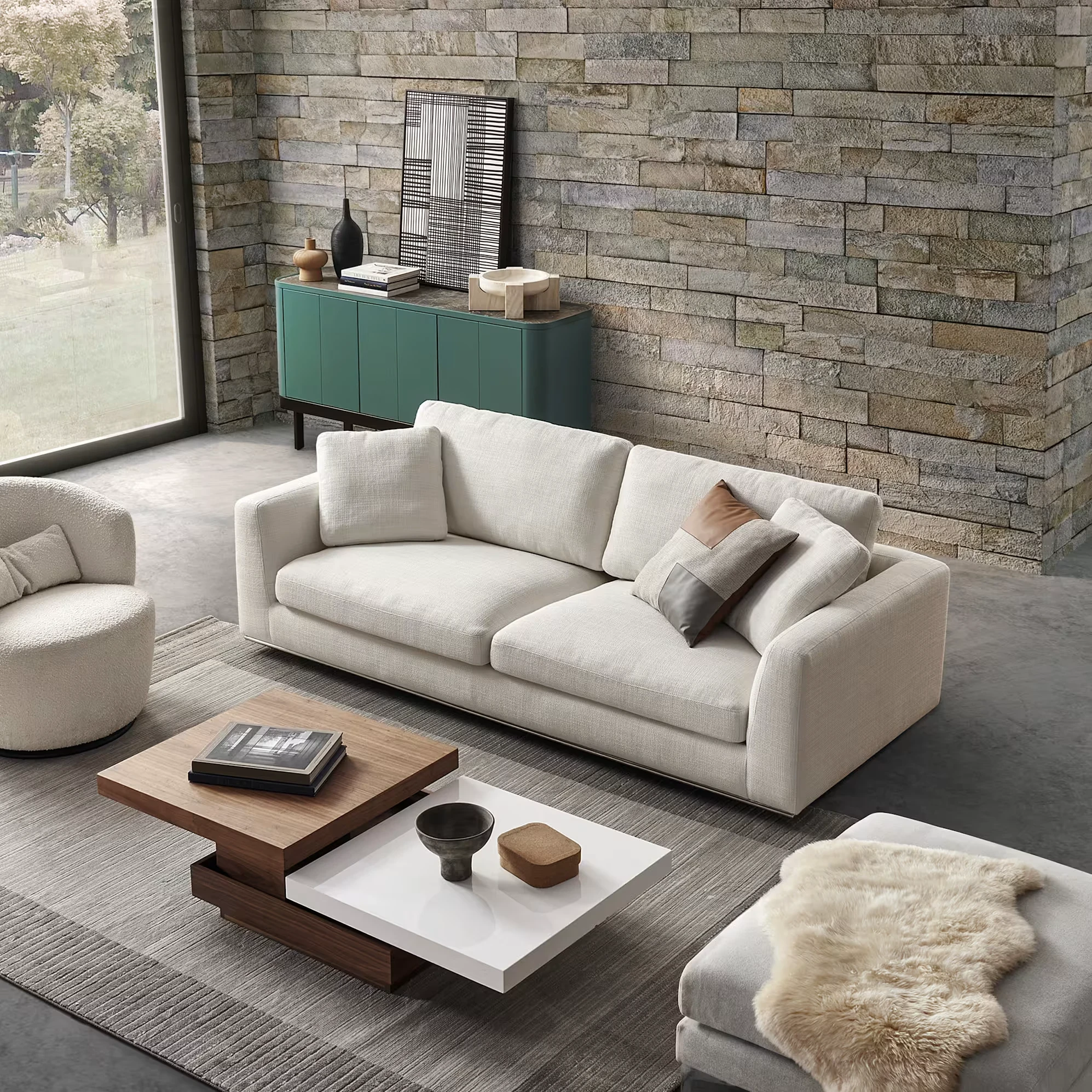
4-seater sofas (220-260cm): Best for larger rooms and families
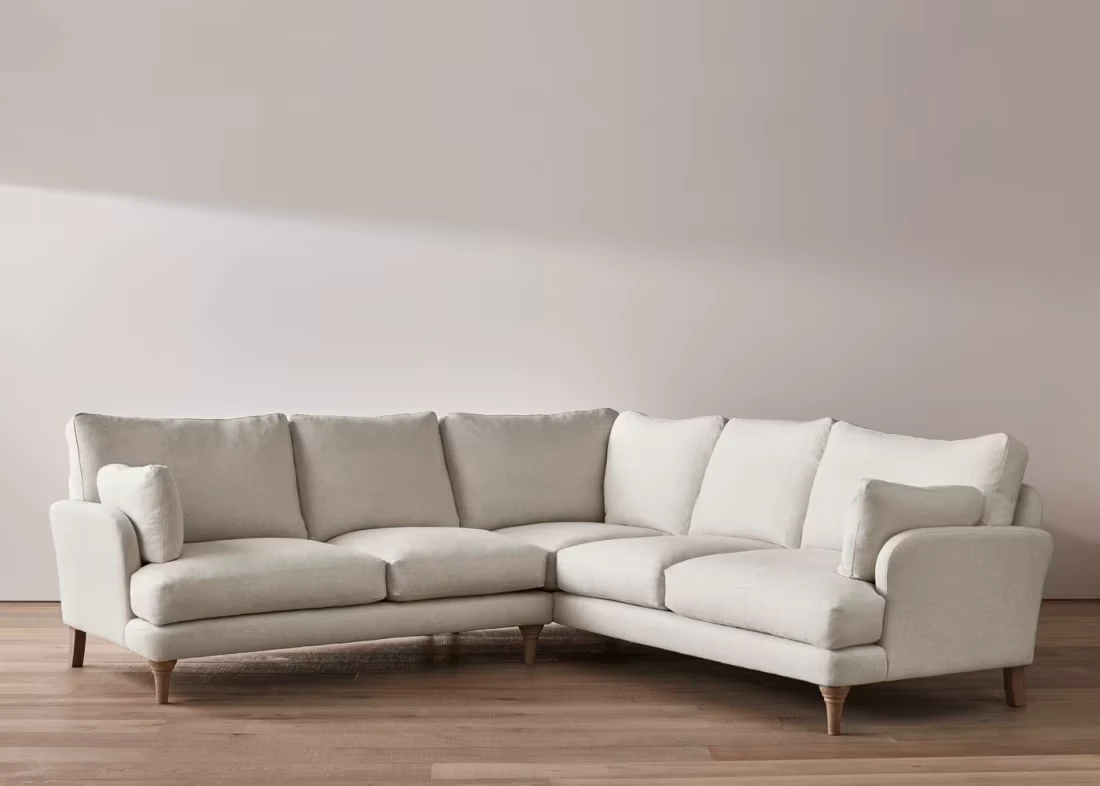
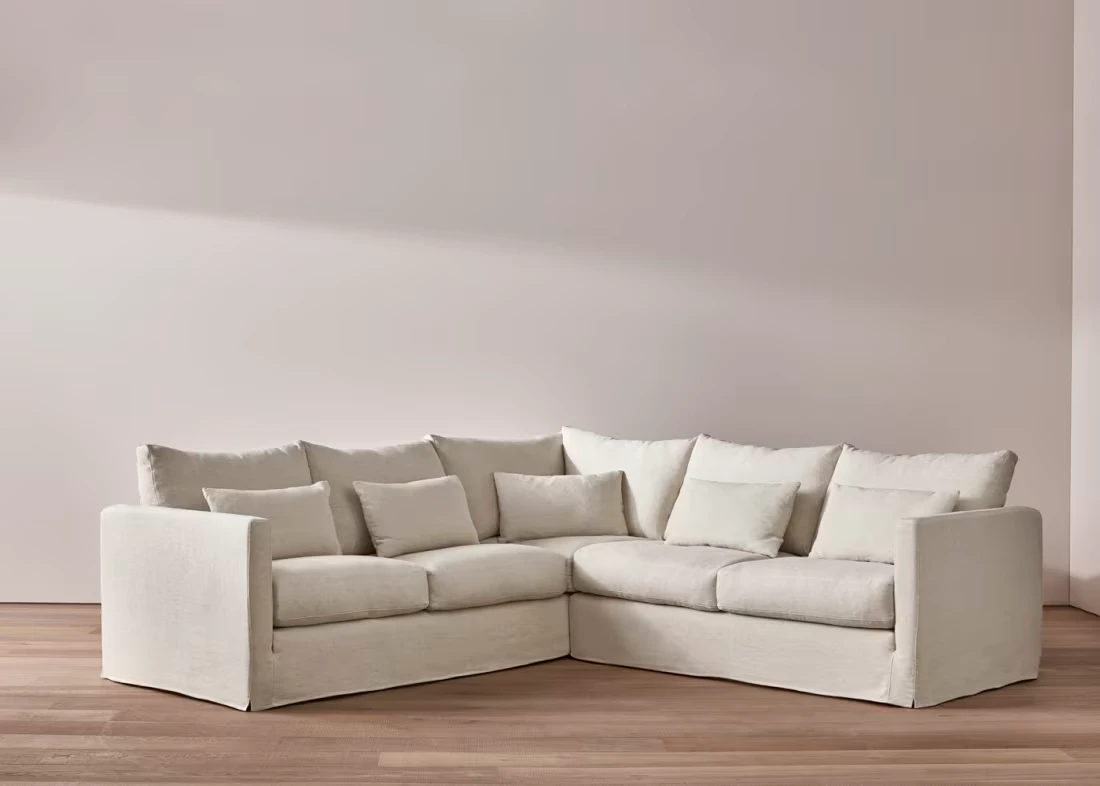
Corner sofas (250-350cm): Perfect for open-plan spaces and maximising seating
Choosing the Right Frame
The frame is the skeleton of your sofa. A quality frame means a sofa that lasts; a cheap frame means sagging and creaking within a few years.
Frame Materials
Kiln-dried hardwood: The gold standard. Woods like oak, ash, and beech are dried to remove moisture, preventing warping and cracking. Expect to pay more, but it's worth it for longevity.
Engineered wood: Plywood and MDF frames are common in mid-range sofas. Quality varies significantly, so check reviews carefully.
Metal frames: Often found in modern designs. Durable and lightweight but can feel less warm and traditional.
Avoid: Sofas with frames made from green (undried) wood, particleboard, or plastic. These won't hold up over time.
Understanding Cushion Fill Options
What's inside your cushions determines how comfortable your sofa feels and how well it maintains its shape.
Seat Cushion Fills
Foam: Most common and affordable. Look for high-density foam (HR foam) with a density of at least 30kg/m³ for durability. Lower density foam will compress and lose support quickly.
Feather and down: Luxuriously soft and comfortable. Requires regular plumping to maintain shape. Best combined with a foam core for support.
Fibre-wrapped foam: A popular middle ground. Foam core for support with fibre wrap for softness.
Pocket springs: Found in higher-end sofas. Offers excellent support and durability, similar to mattress technology.
Fabric vs Leather: Making the Right Choice
The upholstery affects everything from comfort to durability to style. Here's how to decide.
Fabric Sofas
Pros:
Wider range of colours, patterns, and textures
Generally more affordable
Warmer to the touch
Can be treated for stain resistance
Best for: Families, those who want variety, budget-conscious buyers
Popular fabric types:
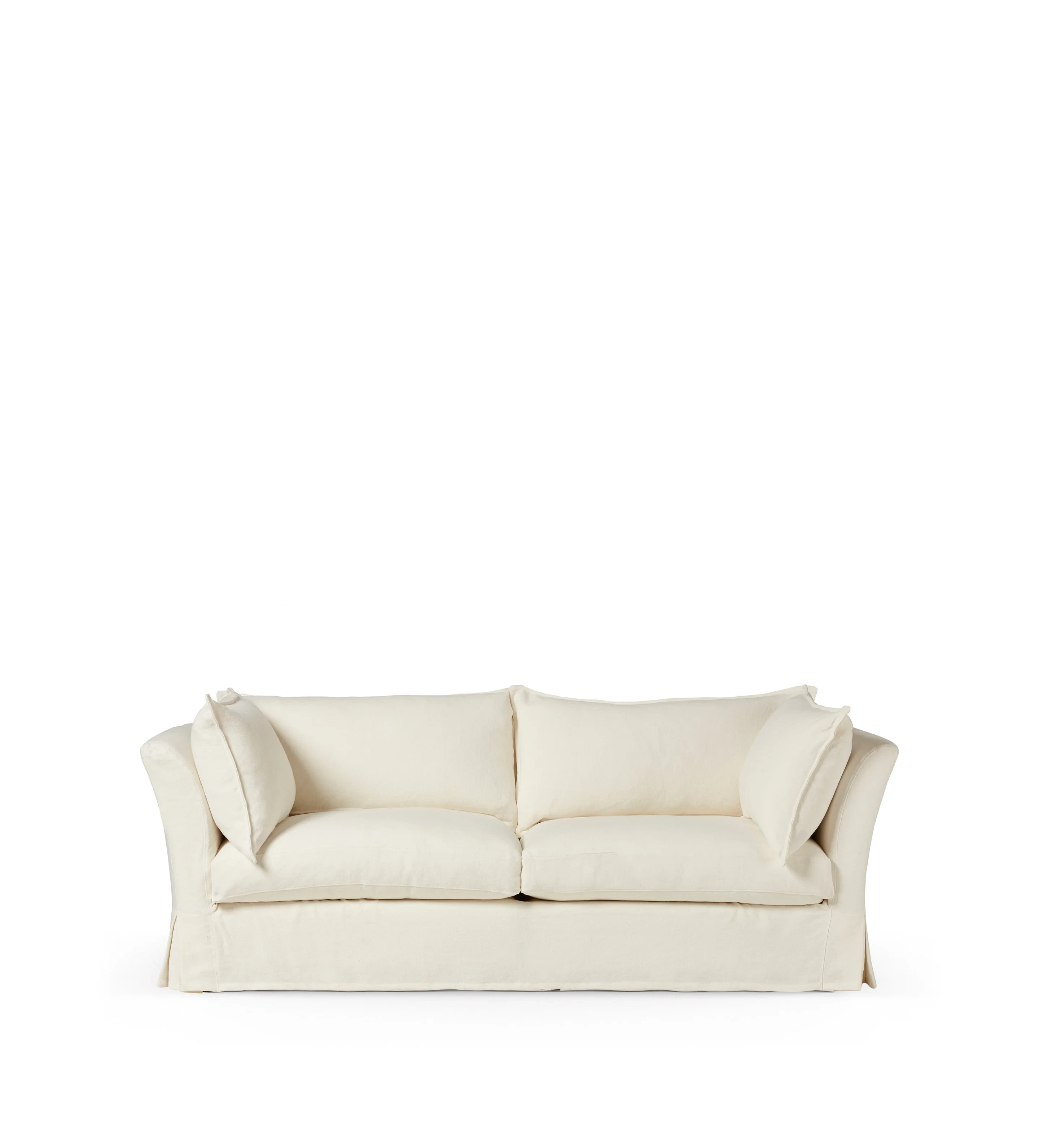
Linen: Natural, breathable, elegant. Can wrinkle and stain
Cotton: Comfortable and affordable. Less durable than synthetic blends
Velvet: Luxurious and on-trend. Requires careful maintenance
Performance fabrics: Engineered for durability and stain resistance. Ideal for families and pet owners
Leather Sofas
Pros:
Extremely durable (can last 20+ years)
Easy to clean
Develops character with age
Hypoallergenic
Cons:
Higher initial cost
Can feel cold in winter, sticky in summer
Susceptible to scratches from pets
Limited colour options
Leather grades to know:
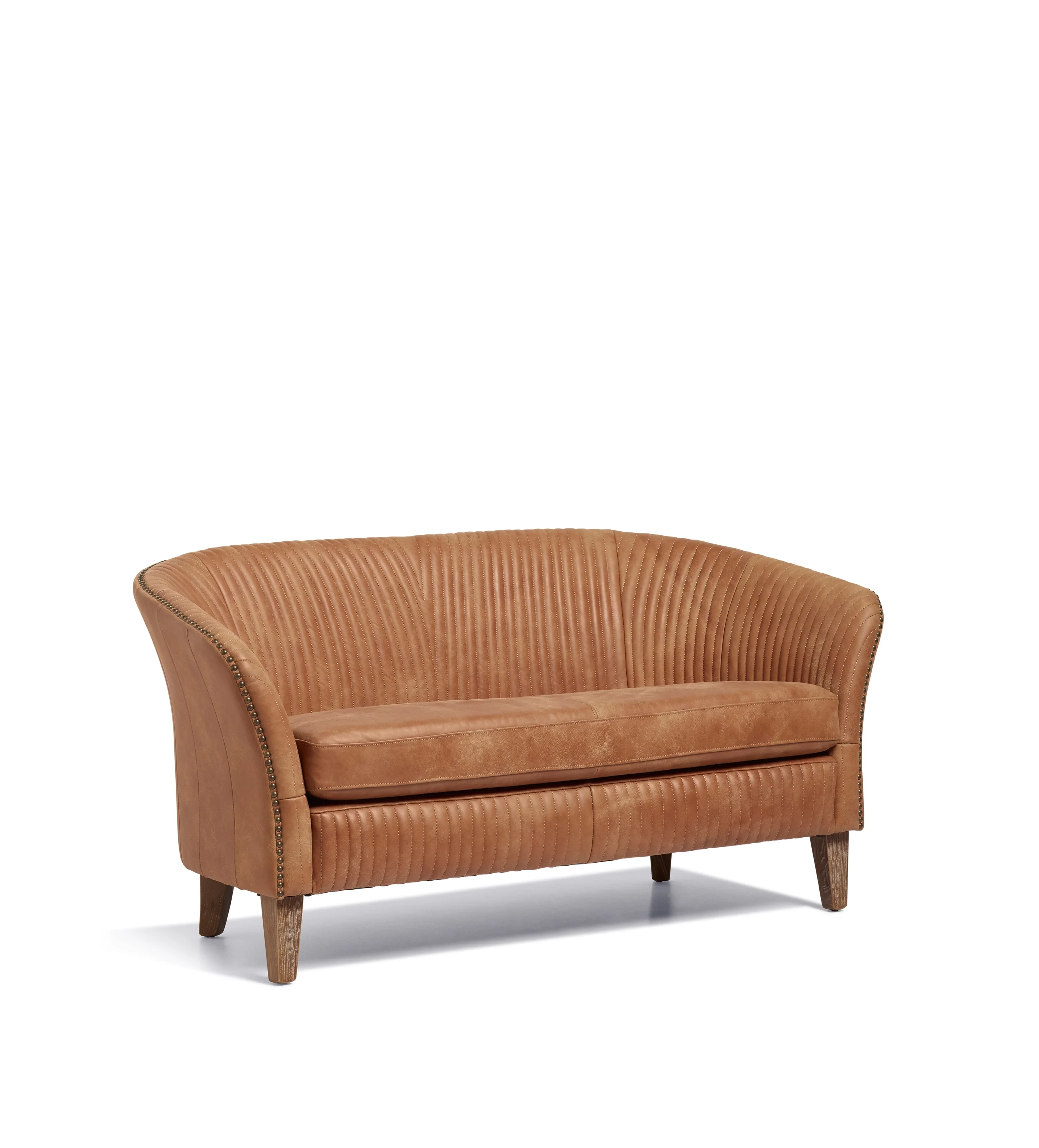
Full-grain leather: The highest quality. Shows natural markings and develops a patina
Top-grain leather: Second tier. Sanded and treated for uniformity
Split leather: Lower layers of the hide. Less durable but more affordable
Bonded leather: Avoid. Contains only a small percentage of real leather
Sofa Styles Explained
Traditional Sofas
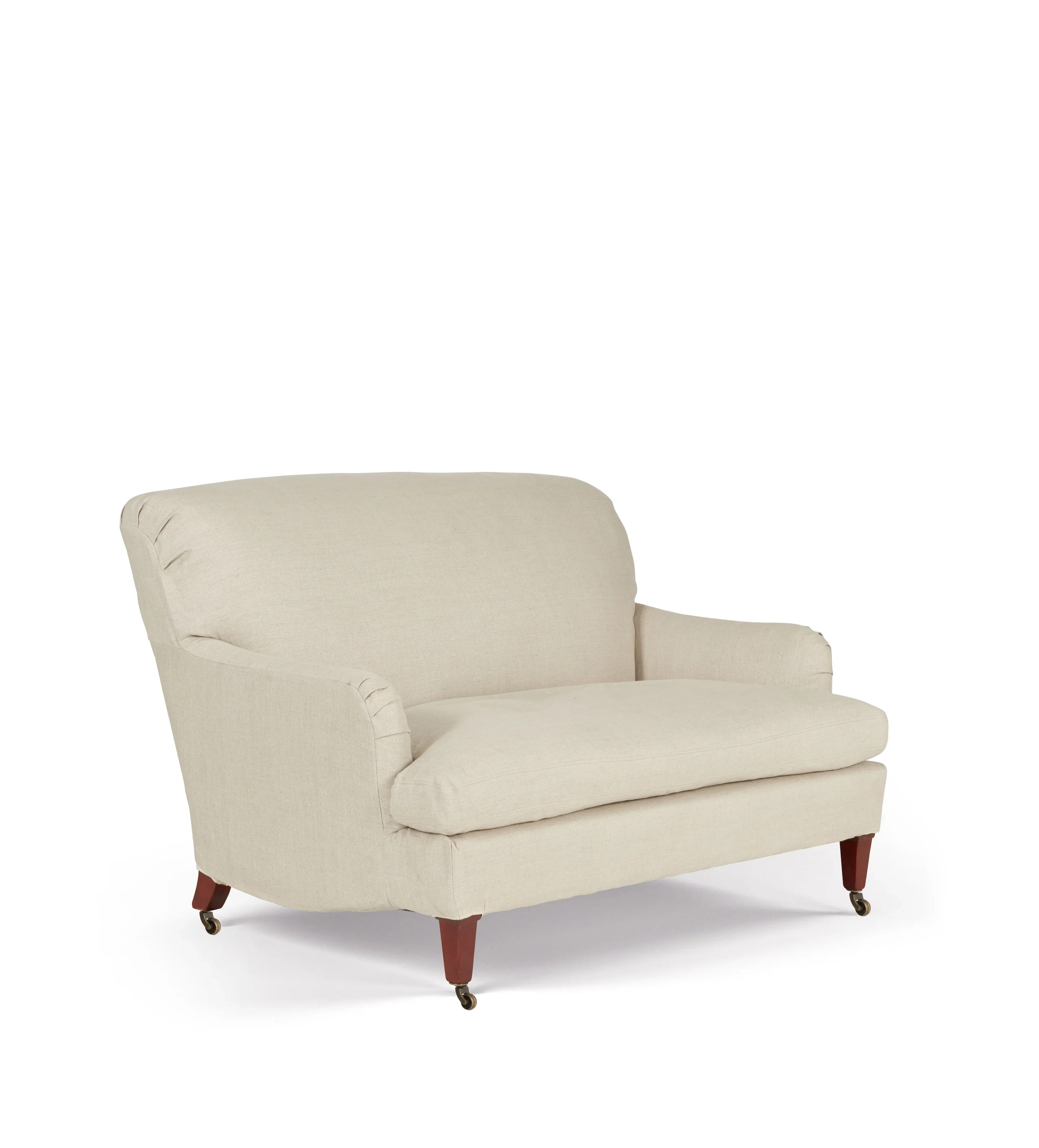
Classic designs with rolled arms, turned legs, and button tufting. Timeless and elegant, they work well in period properties and formal living rooms.
Contemporary Sofas
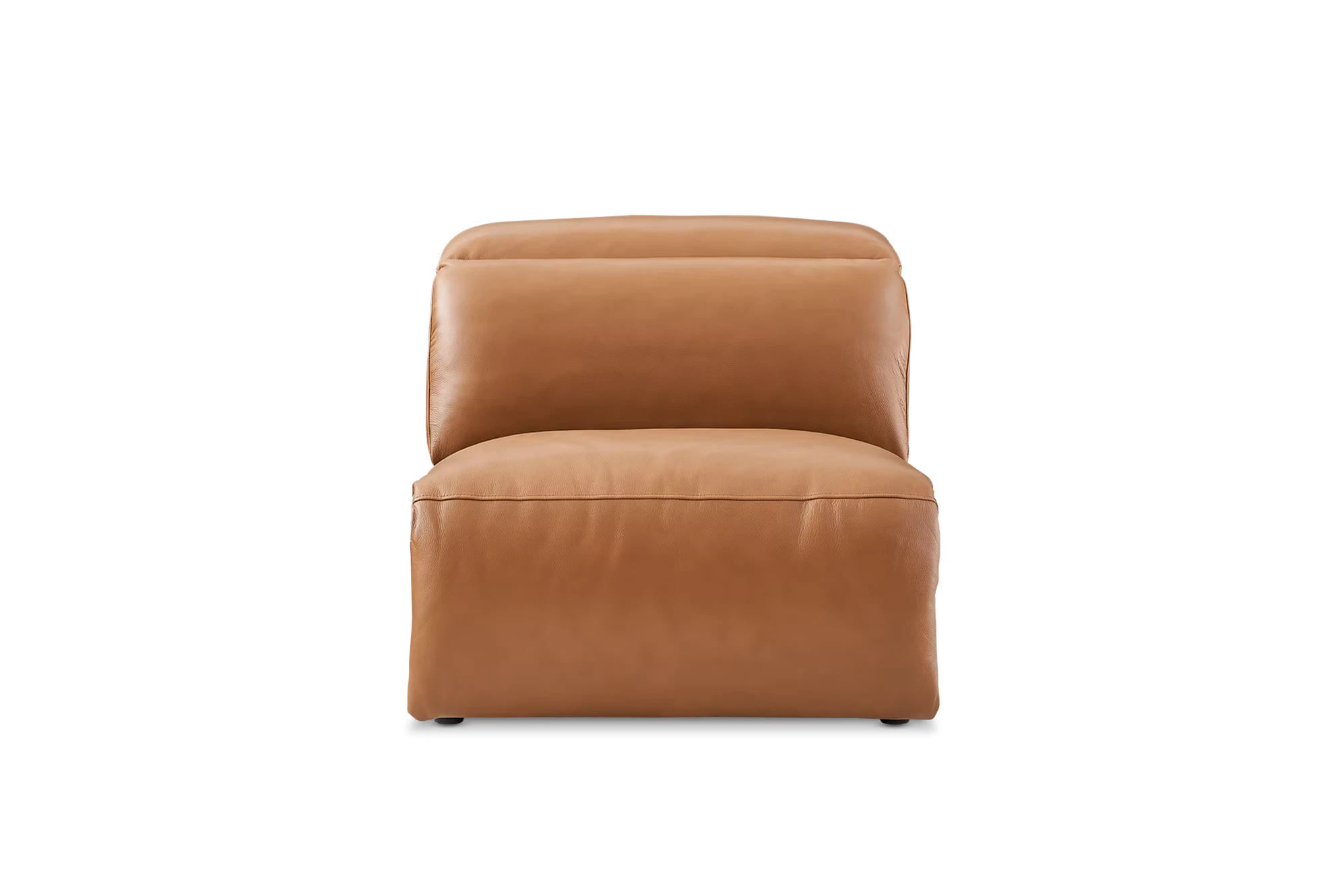
Clean lines, minimalist design, often with metal or wooden legs. Perfect for modern homes and those who prefer understated style.
Mid-Century Modern
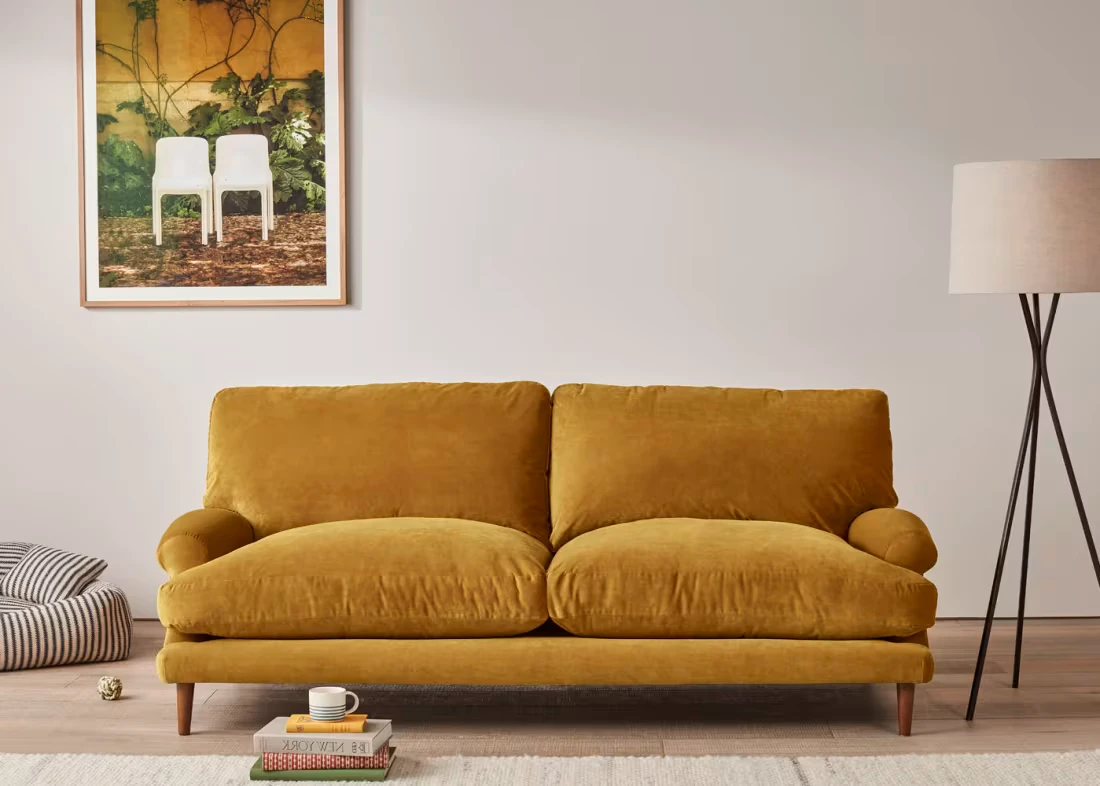
Tapered legs, low profiles, and organic shapes. A design movement from the 1950s-60s that remains hugely popular.
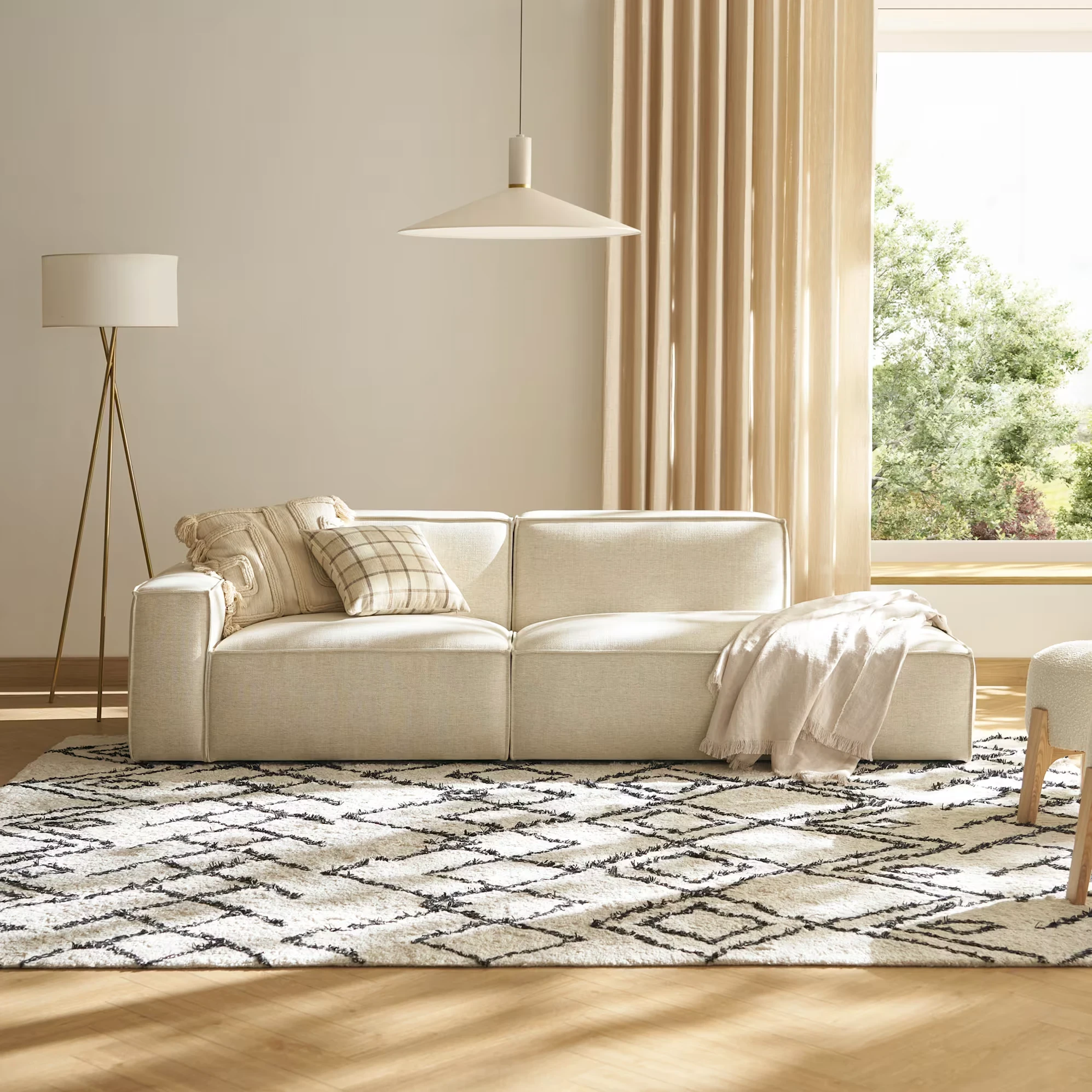
Modular and Sectional Sofas
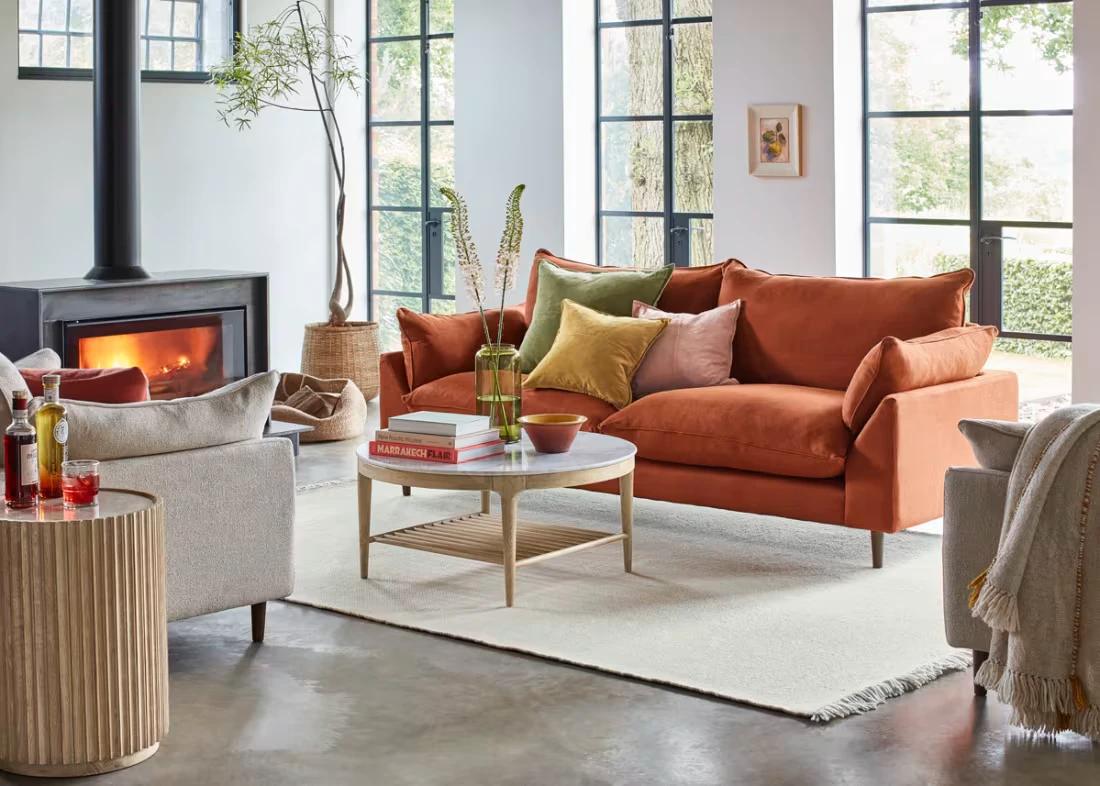
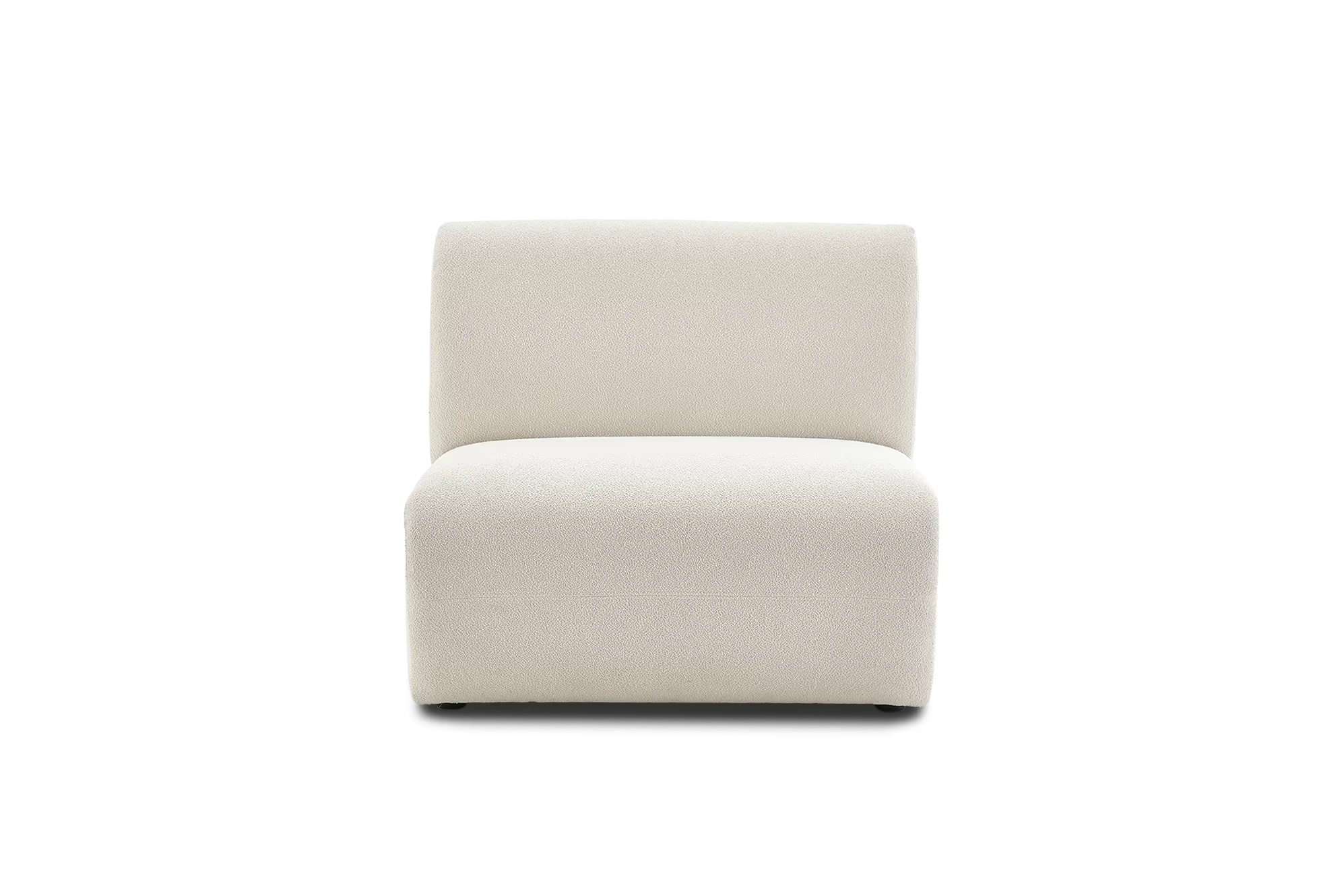
Composed of individual units that can be configured to suit your space. Excellent flexibility for changing rooms or moving house.
Setting Your Budget
Sofa prices vary enormously, from a few hundred pounds to several thousand. Here's what to expect at each price point.
Budget (Under £800)
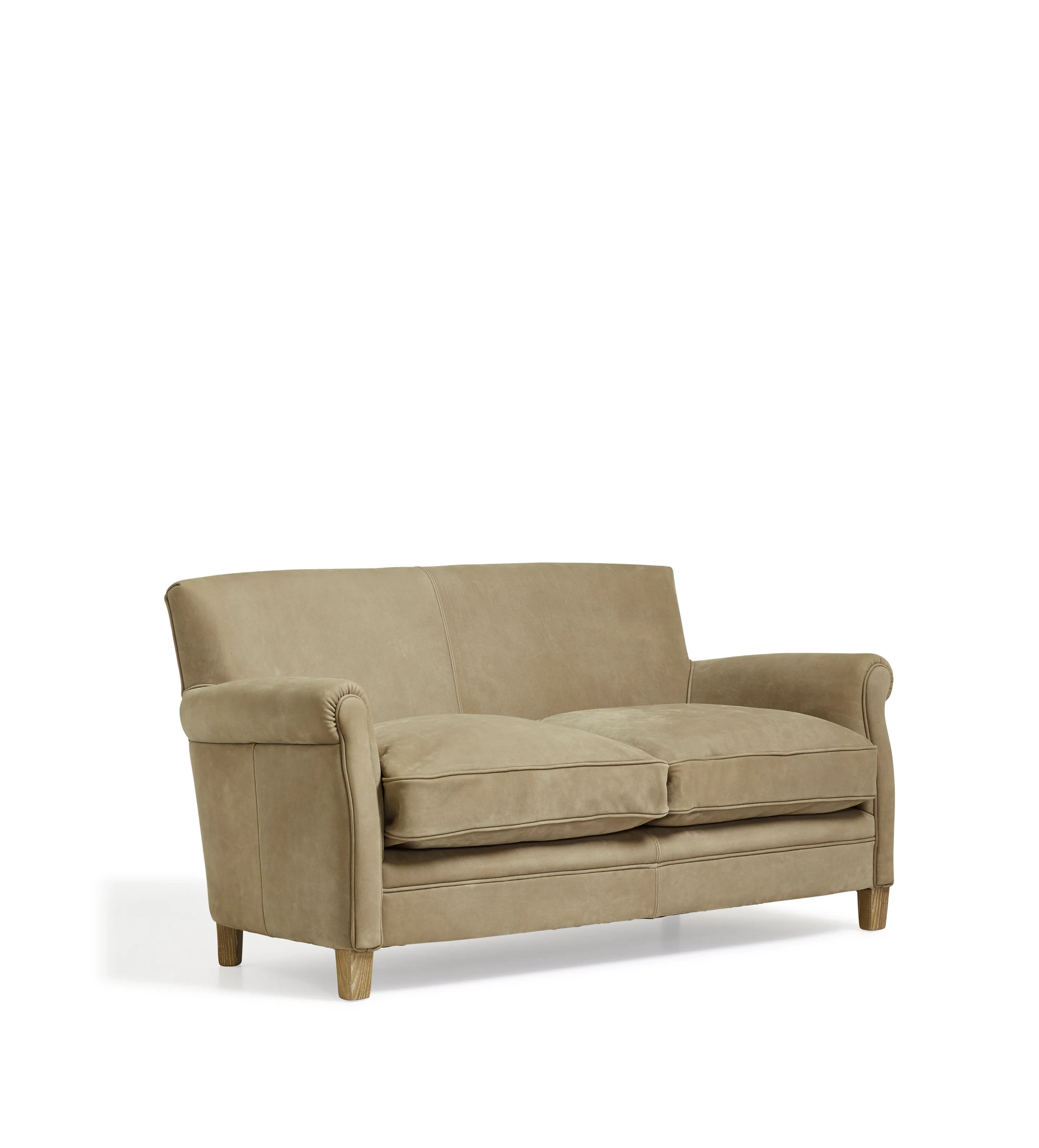
Entry-level sofas that will serve you for 3-5 years. Often use lower-density foam and basic frames. A good choice for first homes, rentals, or rooms that don't see heavy use.
Mid-Range (£800-£2,000)
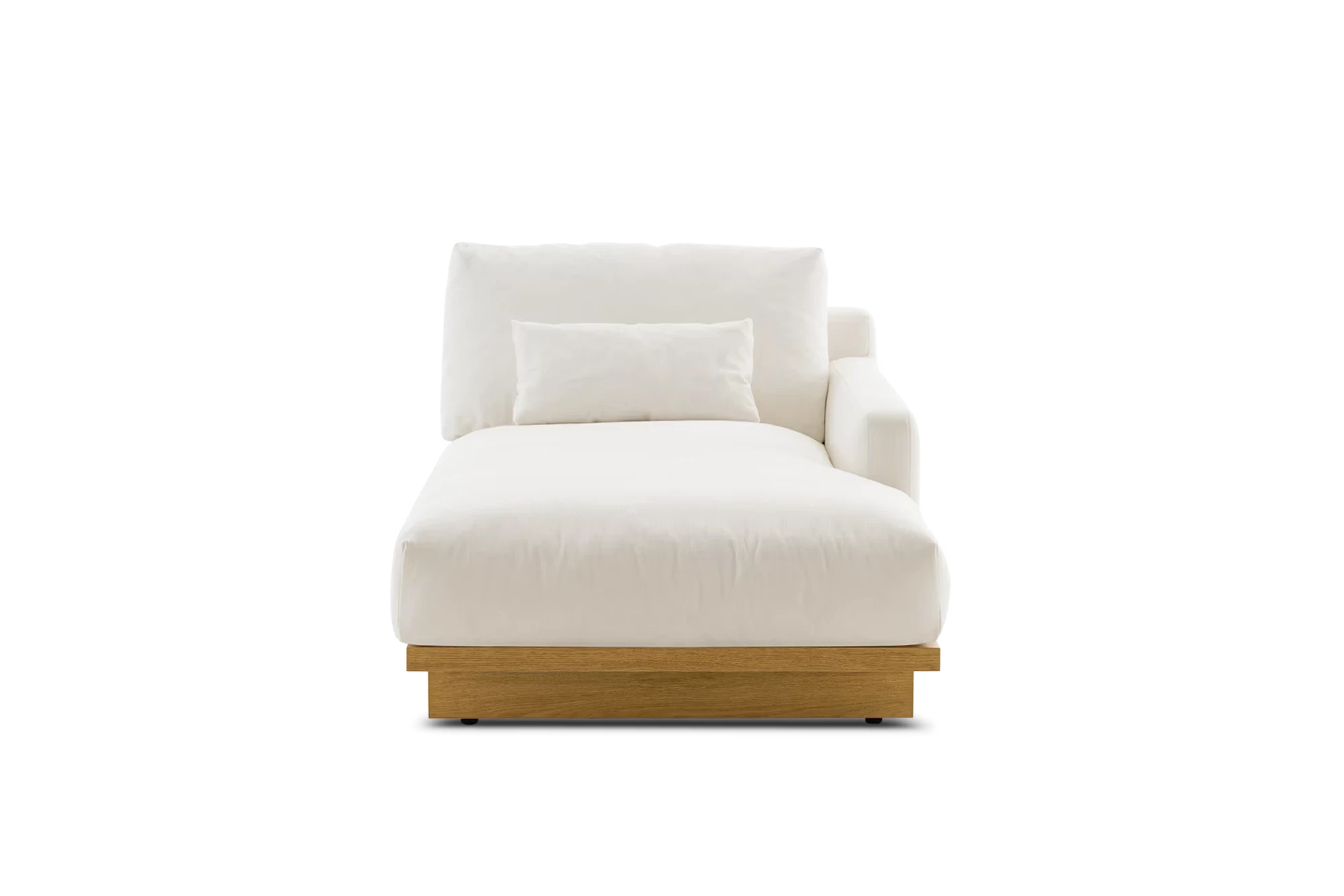
The sweet spot for most buyers. Better materials, more style options, and improved durability. Expect 7-10 years of comfortable use with proper care.
Premium (£2,000+)
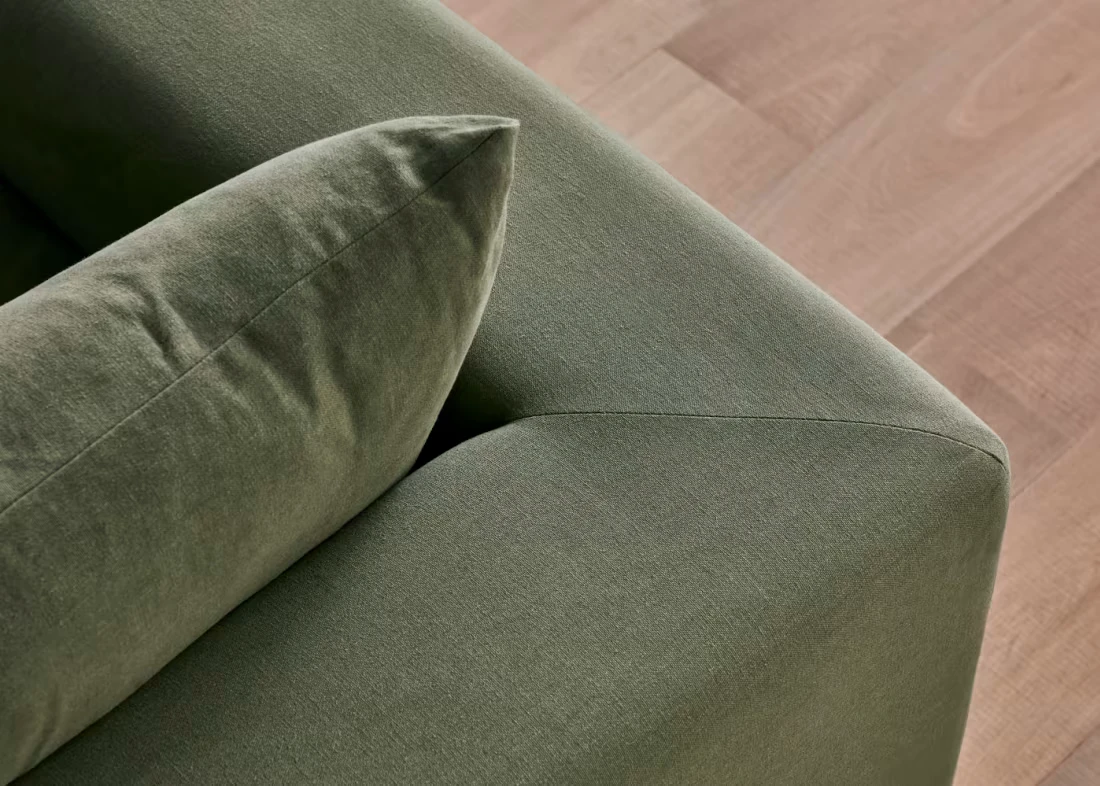
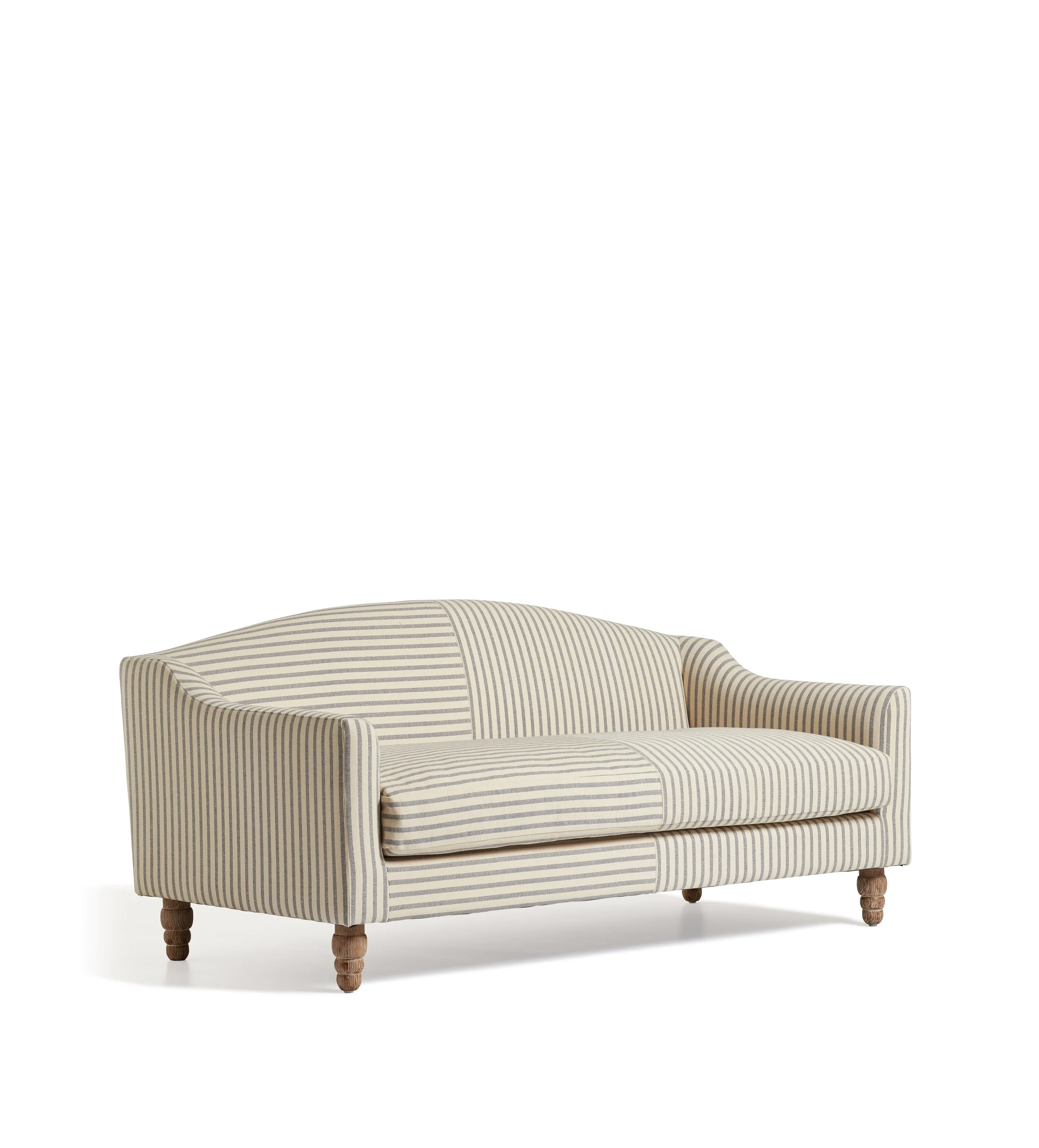
Investment-quality pieces built to last 15+ years. Superior materials, craftsmanship, and often better warranties. Worth considering if you plan to stay in your home long-term.
How to Assess Sofa Quality
Whether you're testing in a showroom or evaluating online reviews and specifications, these checks help you identify a quality sofa.
The Sitting Test (In-Store)
1. Sit down naturally, as you would at home 2. Check that your feet reach the floor comfortably 3. Ensure the seat depth supports your thighs without cutting into your knees 4. Lean back and assess the lumbar support 5. Sit in different positions: upright, slouched, legs crossed
The Bounce Test (In-Store)
Give the cushions a few bounces. Quality cushions should spring back quickly. If they feel dead or don't recover, the foam density is too low.
The Corner Test (In-Store)
Lift one corner of the sofa about 15cm off the ground. If the opposite front leg rises off the ground too, the frame is properly connected. If not, the construction is weak.
What to Check When Buying Online
When shopping online, look for these quality indicators:
Frame material: Specifications should mention kiln-dried hardwood or solid wood frames
Foam density: Look for "high-density foam" or foam rated 30kg/m³ or higher
Warranty length: Quality sofas typically come with 5-10 year frame warranties
Customer reviews: Pay attention to comments about comfort after 6+ months of use
Return policy: Look for 14-30 day return windows with free collection
Delivery and Aftercare
Before Delivery
Confirm exact measurements with the retailer
Ask about their return policy for items that don't fit
Check if assembly is required
Ensure clear access for delivery
Caring for Your Sofa
Fabric sofas:
Vacuum weekly to remove dust and debris
Rotate and flip cushions regularly
Treat stains immediately with appropriate cleaners
Consider professional cleaning annually
Leather sofas:
Dust weekly with a soft cloth
Condition every 6-12 months
Keep away from direct sunlight and heat sources
Clean spills immediately with a damp cloth
Common Mistakes to Avoid
1. Buying without measuring: The number one mistake. Always measure twice 2. Choosing style over comfort: You'll regret a beautiful but uncomfortable sofa 3. Ignoring the delivery path: That dream sofa is useless if it won't fit through your door 4. Skipping the sit test: Online photos can't tell you how a sofa feels 5. Buying the cheapest option: A cheap sofa often costs more in the long run when you need to replace it sooner
Frequently Asked Questions
How long should a good sofa last?
A quality sofa should last 10-15 years with proper care. Premium sofas with hardwood frames can last 20+ years.
What's the best sofa for pets?
Look for performance fabrics with tight weaves that resist pet hair and scratches. Leather can work but may show scratches from claws. Avoid velvet and loose-weave fabrics.
Can I buy a sofa online without trying it?
Absolutely. Online sofa shopping has come a long way, with detailed specifications, customer reviews, and generous return policies making it easier than ever to buy with confidence. Focus on reviews that mention comfort and durability, check dimensions carefully against your measurements, and look for retailers with hassle-free returns. Many people find they get better value and more choice shopping online.
How do I know if a sofa is good quality?
Check the frame material (kiln-dried hardwood is best), cushion density (high-density foam or pocket springs), and warranty length. Lift a corner to test frame construction.
What size sofa do I need for my living room?
As a general rule, your sofa shouldn't take up more than two-thirds of your room's length. Leave at least 45cm for walkways and ensure you can fully recline without hitting a wall.
Ready to Find Your Perfect Sofa?
Use our sofa collection to browse hundreds of options from trusted UK retailers, or try our AI-powered search to describe exactly what you're looking for.


