

Best Bed Frames UK: How to Choose the Right One for Your Bedroom
A bed frame shapes how you sleep, how your bedroom looks, and how long both last. The wrong one creaks after six months, sits awkwardly against the wall, or makes your room feel smaller than it is. In our current collection, we compared over 100 bed frames from 7 UK boutique retailers, priced from around £600 to £3,925, in wood, upholstered, and metal designs. This guide covers what actually matters when choosing a bed frame: the materials that hold up, the sizes that fit real UK bedrooms, and the styles worth investing in.
Whether you're replacing an exhausted divan or furnishing a bedroom from scratch, the right frame does more than hold a mattress. It sets the visual anchor for the room -- the anchor piece you should buy first -- determines your storage options, and, if you choose well, outlasts every other piece of furniture you own.
What Size Bed Frame Do You Need?
For most UK bedrooms measuring 3m x 3.6m or larger, a king-size frame (150cm x 200cm) gives the best balance of sleeping space and room to move. A double (135cm x 190cm) works for rooms under 3m wide, while a super king (180cm x 200cm) needs at least 4m of wall space to avoid cramping the room.
Here's how standard UK bed sizes compare:
Size | Frame Dimensions | Minimum Room Width | Best For |
|---|---|---|---|
Single | 90cm x 190cm | 2.4m | Guest rooms, children |
Double | 135cm x 190cm | 3m | Smaller bedrooms, flats |
King | 150cm x 200cm | 3.6m | Most main bedrooms |
Super King | 180cm x 200cm | 4m+ | Large bedrooms |
Leave at least 60cm clearance on each side of the bed for comfortable access and 90cm at the foot for walking past. If you're placing bedside tables either side, measure the full width including those before committing to a frame size.
One detail many people overlook: bed frame length. King and super king frames are 200cm long, but with a headboard and footboard, total length can reach 220cm or more. Measure wall-to-wall before ordering, especially in older UK properties where rooms tend to run shorter than modern builds.
Wooden Bed Frames: The Most Popular Choice
Wood is the most durable and versatile bed frame material, with solid oak, walnut, and acacia frames lasting 15-20 years or more. In our current collection, wood frames start from around £700 and account for the largest share of beds across all seven retailers. Each timber brings distinct characteristics that affect both look and longevity.
Oak is the traditional workhorse -- dense, hard-wearing, and ages gracefully with a warm golden tone over time. It resists warping and handles the weight of heavier mattresses without complaint. You'll find oak frames from around £700 to £3,000 depending on whether it's solid, veneered, or character-grade.
Walnut runs darker and richer, with distinctive grain patterns that give a bedroom immediate visual warmth. American black walnut is the premium choice -- harder than European walnut and less prone to denting. Expect to pay £900 to £3,925 for solid walnut frames from specialist makers.
Acacia offers similar durability to oak at a lower price point. It's a fast-growing hardwood with an attractive grain and natural colour variation. Frames in solid acacia start from around £800.
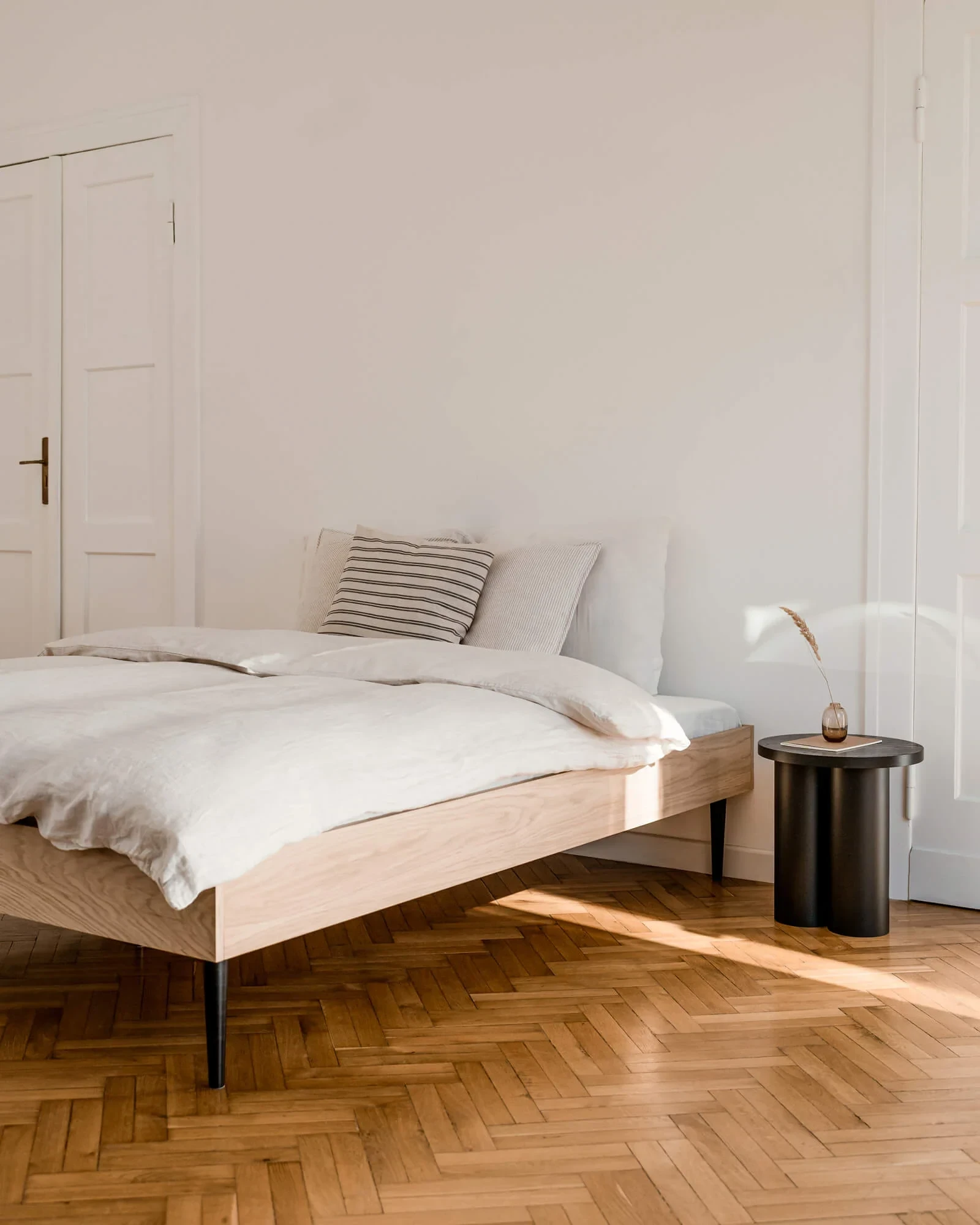
For Scandinavian and minimalist bedrooms, the noo.ma Streiko in oak veneer delivers clean lines at £727 -- one of the most considered designs in our collection for the price.
At the other end, handcrafted frames from makers like Konk use character-grade oak and American black walnut, with prices reflecting the joinery and material quality.
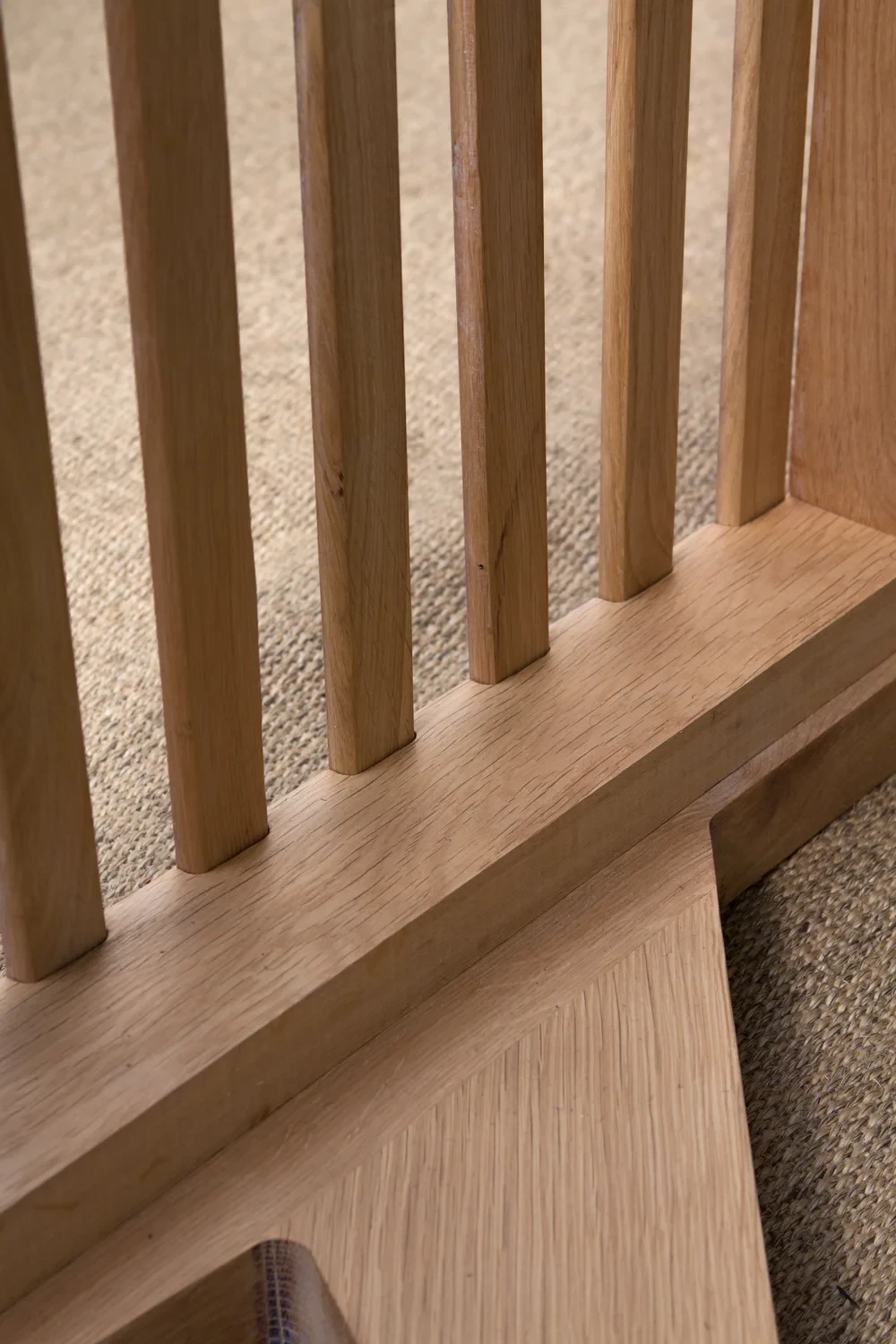
A note on veneer versus solid wood: a well-made veneered frame (thin layer of real wood over engineered board) can be just as durable as solid wood, often at 30-40% less cost. The key is the core material -- plywood cores are far more stable than MDF or particle board. Check what's underneath before assuming veneer means lower quality.
Upholstered Bed Frames: Comfort and Style
Upholstered frames wrap the structure in fabric or leather, creating a softer visual presence and a built-in surface to lean against for reading or watching TV. In our current collection, upholstered options range from £799 to £2,790 across linen, boucle, polyester, and velvet finishes.
The key decision is fabric choice:
Fabric | Durability | Feel | Maintenance | Best For |
|---|---|---|---|---|
Linen | High | Cool, textured | Spot clean, can stain | Warm, natural bedrooms |
Boucle | Medium-high | Soft, tactile | Attracts lint, spot clean | Statement headboards |
Velvet | Medium | Rich, warm | Shows marks, needs brushing | Rooms with character |
Polyester blend | Very high | Smooth, neutral | Easy wipe, very practical | Families, rentals |
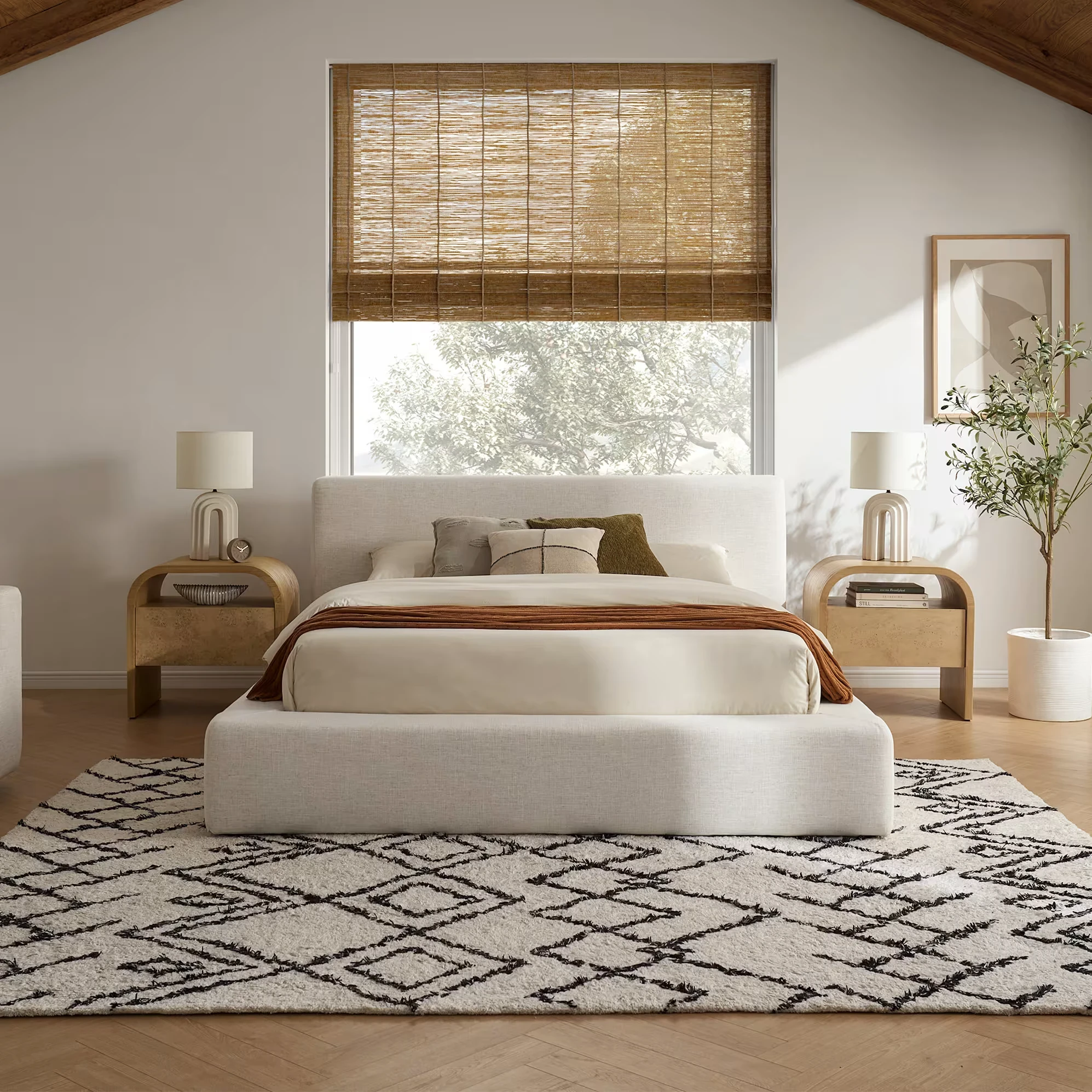
For bedrooms that need to earn their keep, the Castlery Dawson Ottoman Storage Bed combines an upholstered frame with hydraulic-lift storage underneath -- particularly useful in UK bedrooms where built-in wardrobes are not a given.
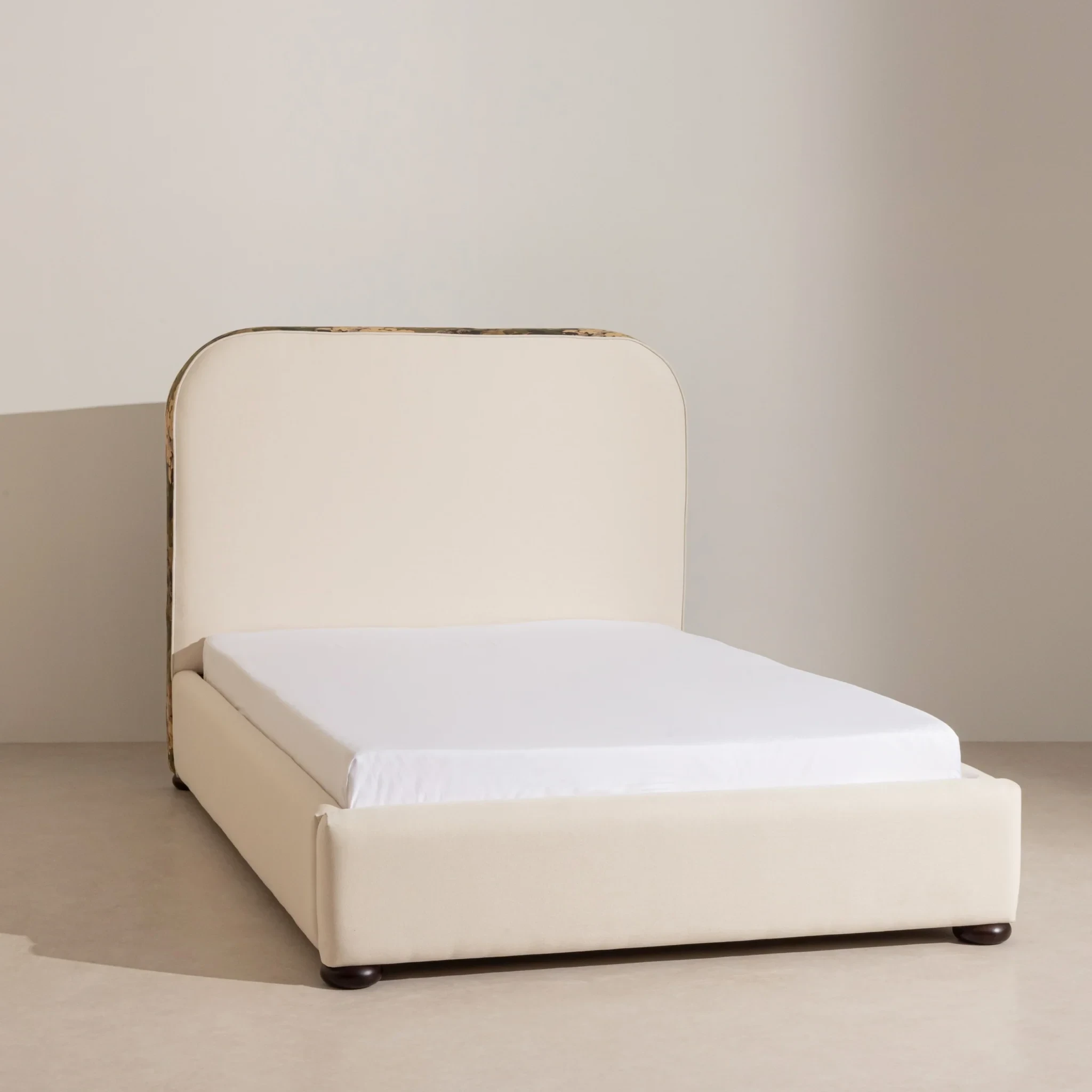
If you're after something with more design presence, the Curve Bed from Six The Residence features a sculptural upholstered headboard that makes the bed the focal point of the room rather than an afterthought.
One practical consideration: upholstered frames can harbour dust and allergens more than wood or metal. If that concerns you, look for removable, washable covers or choose tightly woven fabrics like linen blends that resist dust accumulation.
Natural and Reclaimed Wood Frames
Reclaimed wood, mango wood, and rattan bed frames offer an environmentally considered alternative to new timber, with prices in our collection ranging from £1,950 to £2,250 from makers like Nkuku. They bring warmth and texture that new timber cannot replicate, making them a strong choice for rustic, bohemian, or globally inspired bedrooms.
Reclaimed wood frames carry the character of their previous life -- nail holes, weathering marks, and colour variation that makes each piece genuinely one-of-a-kind. They're also the most environmentally considered choice, keeping existing timber in use rather than sourcing new.
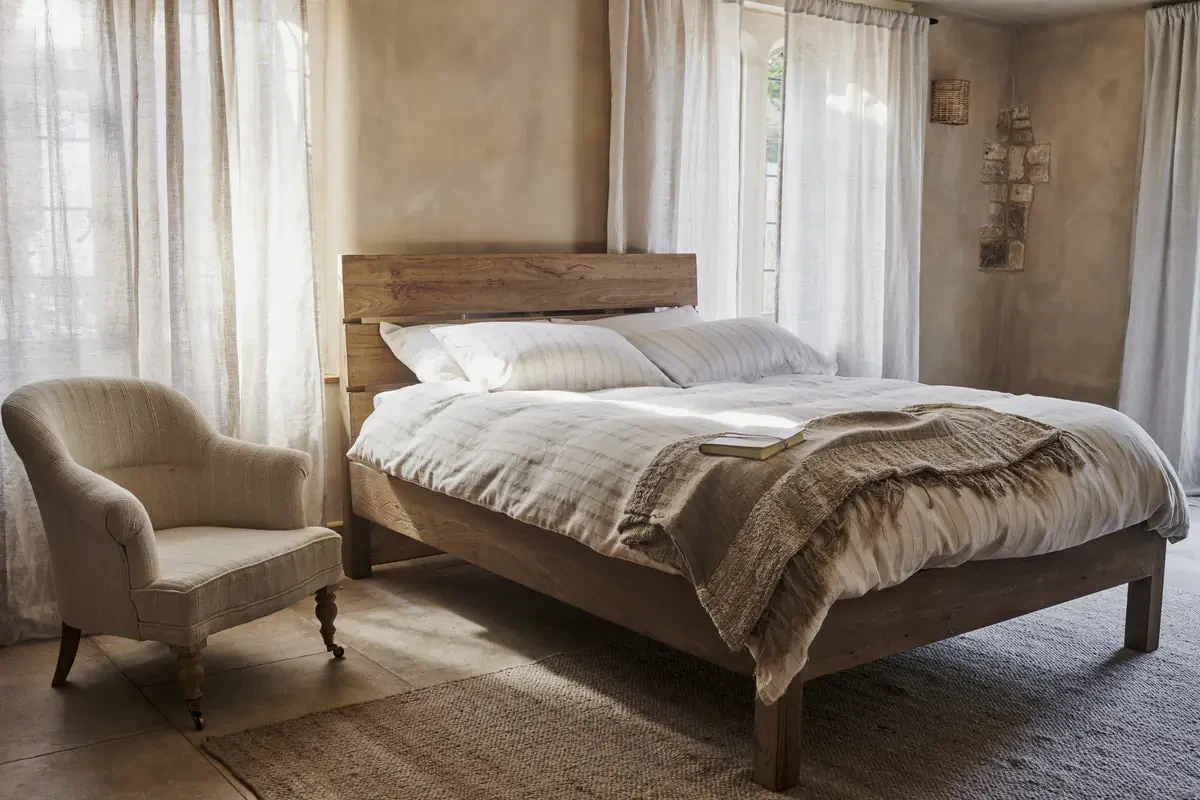
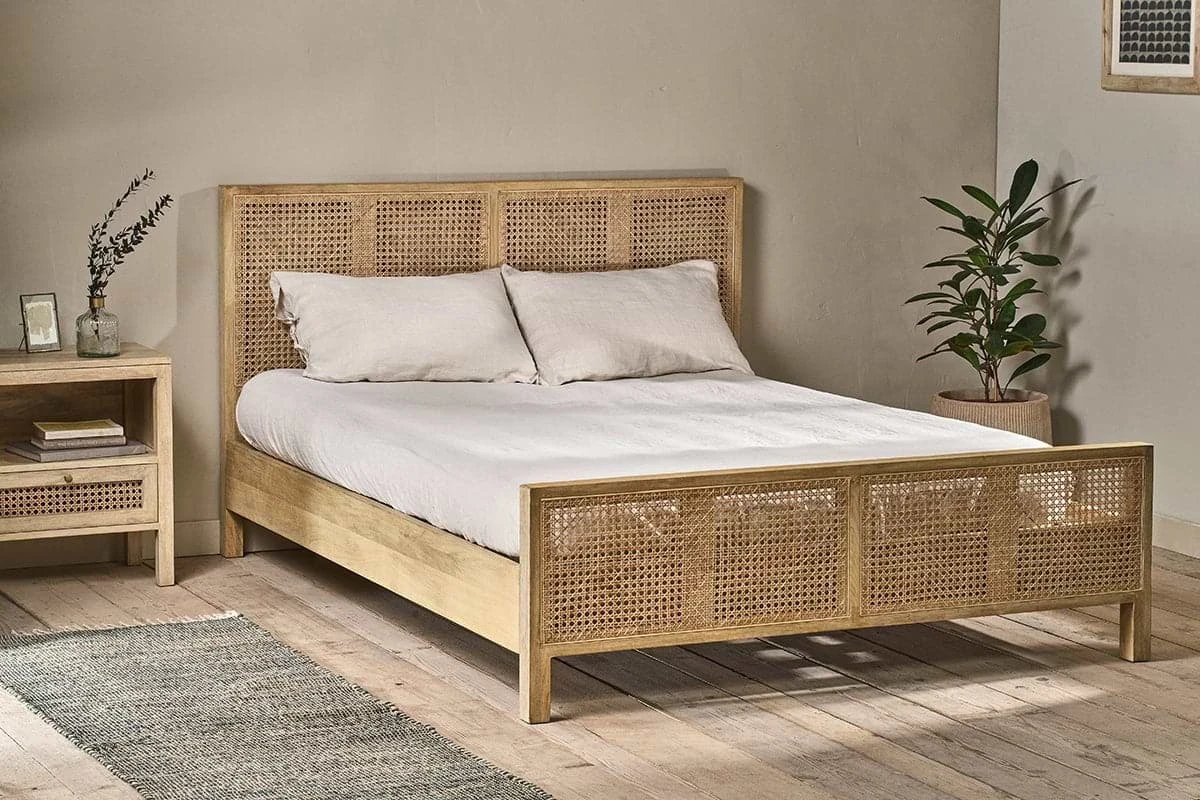
Mango wood and cane combinations work particularly well in bedrooms where you want to introduce natural texture without the room feeling heavy. The Nkuku Saharsa pairs a solid mango wood frame with woven cane panels for a design that feels airy even at a substantial size.
When buying reclaimed or natural wood, check that the timber has been properly treated and kiln-dried. Untreated reclaimed wood can carry moisture, pests, or instability. Reputable retailers handle this as standard, but it's worth asking if the product listing doesn't mention it.
How to Choose Between Slats, Sprung Slats, and Divans
Sprung slats are the best all-round choice for most bed frames -- they flex under body weight, absorb movement from a partner, and extend mattress life by reducing pressure points. Flat slats suit those who prefer a firmer feel, while divan bases offer the most storage but restrict airflow. Here is how each option compares.
Flat slats are rigid wooden planks spaced across the frame. They provide firm, consistent support and work well with most mattress types. They're the simplest option and the easiest to replace if one breaks. Ensure gaps between slats are no wider than 6-7cm to prevent mattress sagging.
Sprung slats are curved, flexible slats (usually beech) that flex under body weight. They add give to the sleeping surface, absorb movement, and extend mattress life by reducing pressure points. Most mid-range and premium frames use sprung slats, and they're the better choice if your mattress doesn't have its own spring system.
Divan bases are upholstered box bases, sometimes with built-in drawers. They offer the firmest support and the most storage, but they lack the visual lightness of a slatted frame and can restrict airflow around the mattress.
Base Type | Support | Airflow | Storage | Visual Weight |
|---|---|---|---|---|
Flat slats | Firm | Excellent | None (bed-only) | Light |
Sprung slats | Medium-firm | Good | None (bed-only) | Light |
Divan | Very firm | Limited | Built-in drawers | Heavy |
Ottoman lift | Medium-firm | Moderate | Full-base storage | Medium |
If you're pairing a frame with a memory foam or latex mattress, sprung slats help compensate for the foam's tendency to trap heat by allowing air circulation underneath. For pocket sprung mattresses, either slat type works well.
What to Check Before You Buy
The five things most people overlook when buying a bed frame are total dimensions (including headboard overhang), mattress-to-headboard height ratio, floor clearance for cleaning, weight capacity, and joint construction for noise. Run through each before ordering.
Assembly and delivery. Most bed frames arrive flat-packed. Check whether the retailer offers assembly, what tools you'll need, and how many people are required. Solid wood frames can be heavy -- a king-size oak frame might weigh 60-80kg in total. Make sure it fits through your doors and up your stairs before ordering.
Headboard height and mattress depth. If you're using a thick mattress (25cm+), check that the headboard will still be visible above it. Some low-profile frames look striking with a slim mattress but lose their design impact when paired with a deep pocket sprung.
Floor clearance. Frames with legs (as opposed to platform or divan styles) create space underneath for airflow and cleaning. At least 15cm of clearance is ideal. Very low platform beds look dramatic but make hoovering underneath almost impossible.
Weight capacity. Most bed frames support 200-250kg combined weight (sleepers plus mattress). If you use a particularly heavy mattress, check the frame's rated capacity. Sprung slats generally have lower weight limits than flat slats or solid platforms.
Noise. Wooden frames with bolted joints can creak over time as the wood expands and contracts. Look for frames with metal-to-metal fixings at stress points, or designs that use dowels and brackets rather than purely bolted construction. Upholstered frames tend to be quieter because the fabric absorbs vibration.
Browse Bed Frames on MeetFelix
MeetFelix brings together bed frames from boutique UK retailers so you can compare across brands without visiting a dozen websites. In our current collection, you'll find over 100 beds from makers like Castlery, Loaf, Nkuku, Konk, noo.ma, OKA, and Six The Residence -- in wood, upholstered, and natural materials from around £600 to £3,925.
Browse bed frames, explore wooden beds, or discover upholstered beds to find the right fit for your bedroom.
Frequently Asked Questions
What is the best material for a bed frame?
Solid hardwood -- oak, walnut, or acacia -- offers the best combination of durability, appearance, and value over time. A well-made solid wood frame can last 15-20 years or more with minimal maintenance. Upholstered frames are a strong second choice if you want a softer bedroom aesthetic, though fabric requires more upkeep than wood.
How much should I spend on a bed frame?
For a quality frame that will last 10+ years, expect to spend £700-£1,500. Below £600, you're typically looking at engineered board construction that may not hold up long-term. Above £1,500, you're paying for premium materials (solid walnut, handcrafted joinery) and design -- worthwhile if the bedroom is a priority room, but not essential for a well-made bed.
Do I need a headboard?
A headboard isn't structurally necessary, but it serves two practical functions: protecting the wall from marks and oils, and giving you something to lean against comfortably. If you read or use a laptop in bed, a padded or upholstered headboard makes a meaningful difference. If your bed sits against a feature wall you don't want to cover, a low-profile frame without a headboard can work well.
What bed frame is best for a small bedroom?
In bedrooms under 12 square metres, choose a frame with built-in storage (ottoman or divan with drawers) to compensate for limited wardrobe space. A double rather than king frame gives you back 15cm of floor width on each side. Frames with legs rather than solid bases make the room feel less cramped by revealing the floor underneath. See our guide to furniture for small spaces for more compact bedroom strategies.
How often should you replace a bed frame?
A well-made wooden or metal bed frame should last 15-20 years. Signs it needs replacing: visible sagging in the centre, creaking that worsens despite tightening fixings, cracked or split slats that keep breaking, or wobbling joints that won't stay tight. If only the slats are failing, replacing those (around £50-£150 for a full set) is more cost-effective than a new frame.
Is oak or walnut better for a bed frame?
Both are excellent choices. Oak is harder (more scratch-resistant) and lighter in colour, ageing to a warm golden tone. Walnut is softer but darker with more dramatic grain patterns, creating a richer visual presence. Oak is generally 15-25% less expensive than walnut for equivalent quality. Choose based on the colour palette and style of your bedroom rather than durability alone -- both will outlast most other bedroom furniture.


