

Best Wall Mirrors UK: How to Choose the Right One for Every Room
A wall mirror does more than reflect your face on the way out of the door. Placed well, it doubles natural light, creates the illusion of depth in a cramped room, and anchors a wall that would otherwise feel bare. Placed badly, it bounces a view of a blank ceiling or catches you off guard every time you walk past. In our current collection, we compared 56 wall mirrors from 6 UK boutique retailers -- in brass, iron, mango wood, glass, and rattan -- priced from £75 to £1,895. This guide covers shape, size, material, and placement so you end up with a mirror that earns its place on the wall.
How to Choose the Right Mirror Shape for Your Room
The shape of a mirror should respond to the architecture it lives in, not compete with it. Round mirrors soften angular rooms and sit well above curved or organic furniture. Rectangular mirrors emphasise height in rooms with low ceilings and pair naturally with straight-edged furniture like sideboards and console tables. Arched mirrors split the difference -- structured enough to feel intentional but with enough curve to break up a grid of right angles.
Round Mirrors
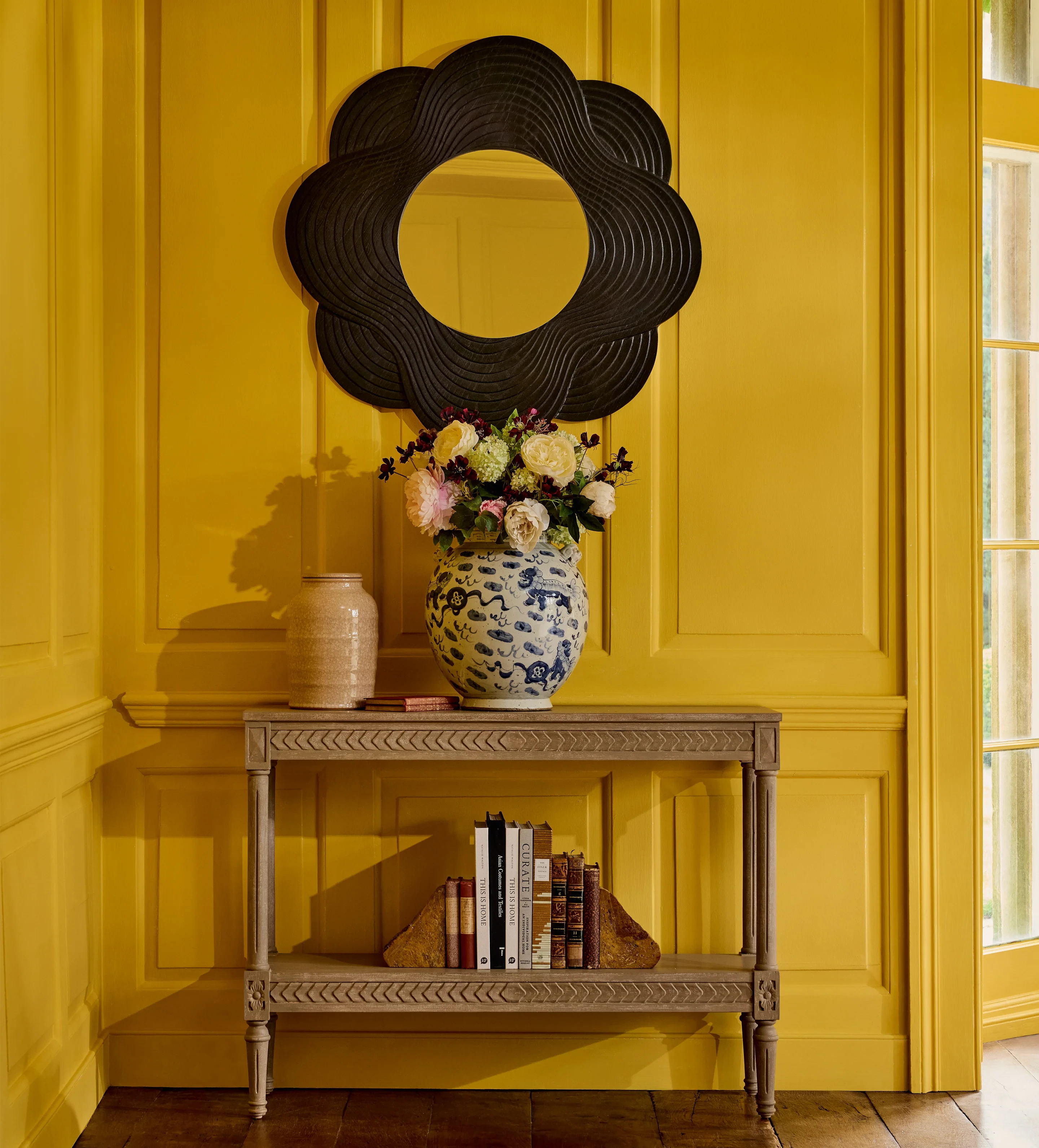
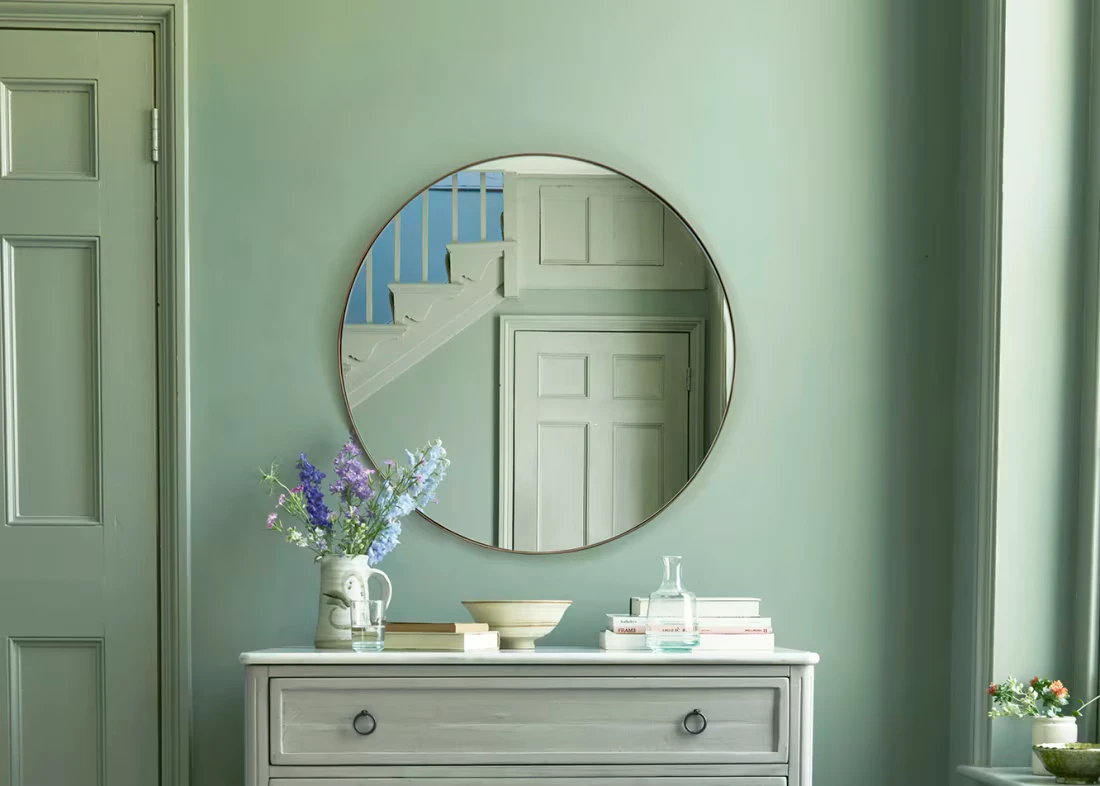
Round mirrors work in almost any setting because they introduce a shape most rooms lack. Above a fireplace, a round mirror draws the eye without fighting the mantel's horizontal line. In a hallway, it feels less formal than a rectangle and creates an immediate focal point.
Across our collection, round and oval mirrors range from the hand-cast aluminium Ungura at £130 to large antiqued glass options above £400. Brass and antique gold frames dominate, which suits rooms that lean traditional or mid-century.
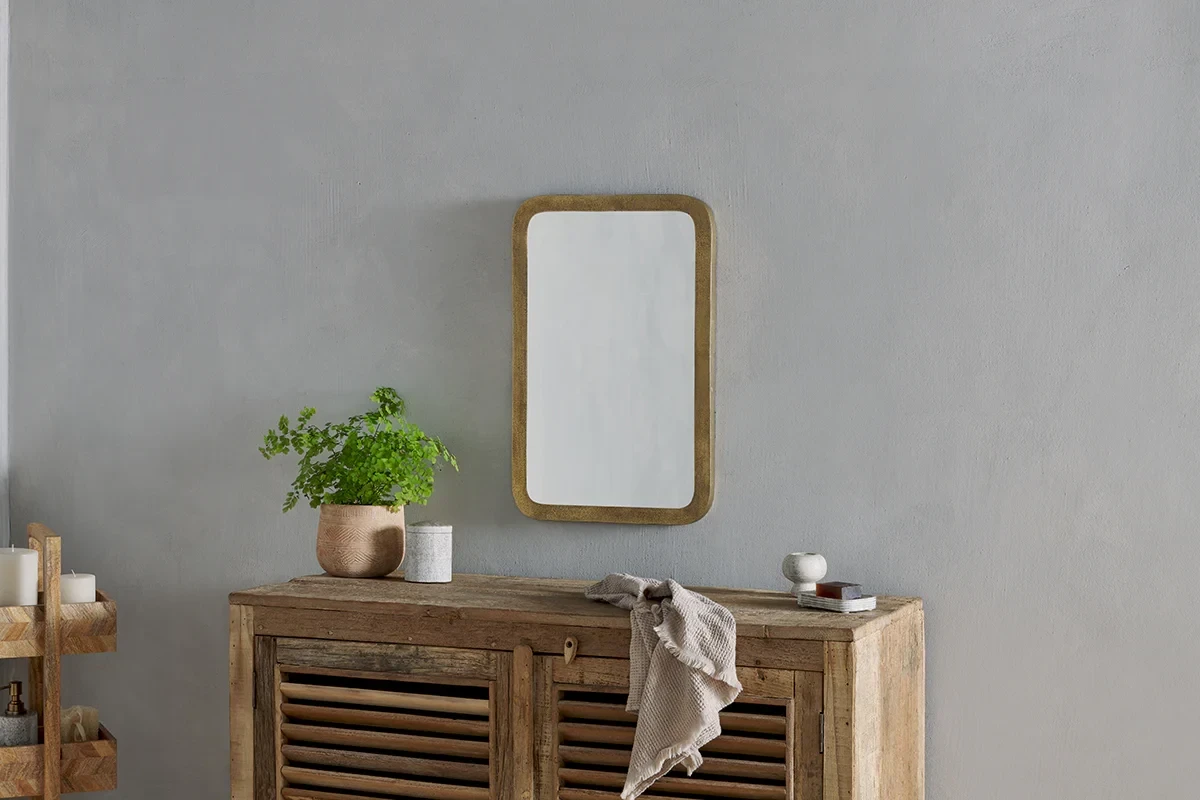
Arched Mirrors
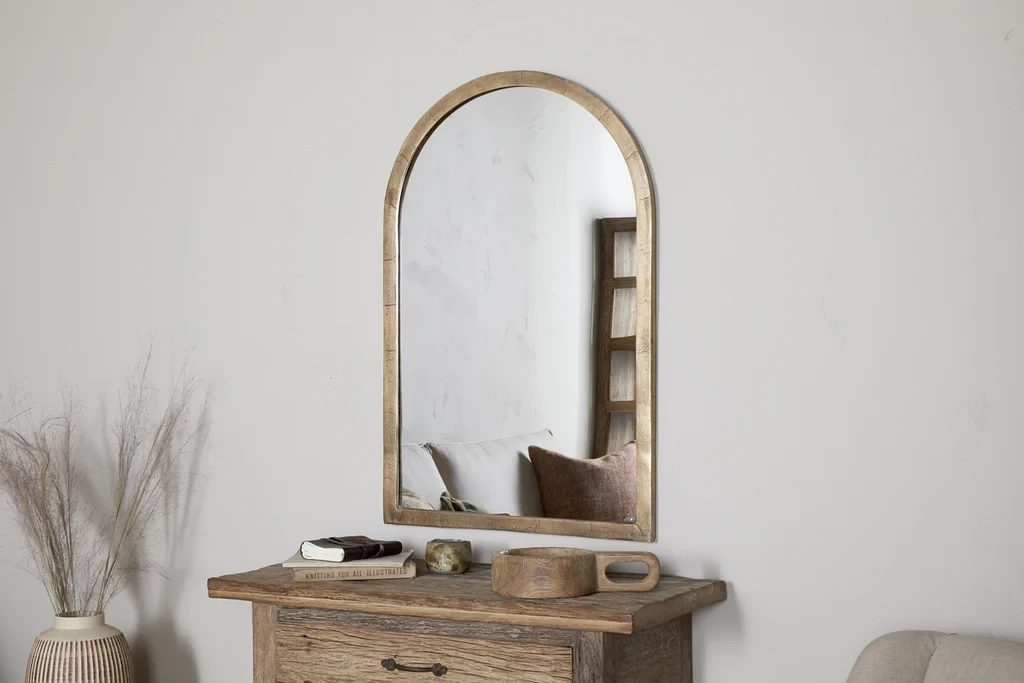
Arched mirrors have become one of the most sought-after shapes in UK interiors over the past three years, and the trend shows no sign of fading. The arch references classical architecture without feeling period-specific, so it works in a Victorian terrace as naturally as a new build.
In our current catalogue, arched mirrors start from around £200 for the Amaga outdoor mirror and extend to £500 for the full-length Murwara Arched Mirror in antique brass. Mango wood arched frames offer a warmer, more textural alternative to metal.
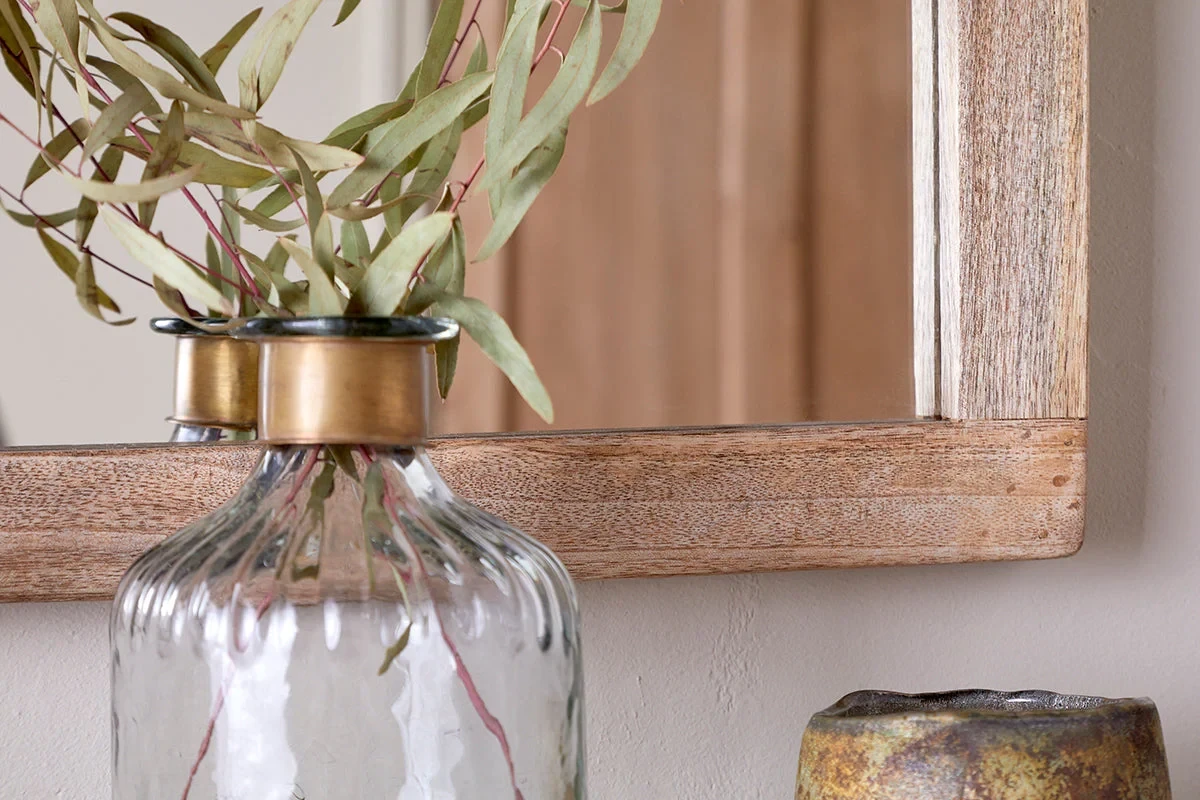
Rectangular and Ornate Mirrors
Rectangular mirrors are the most versatile and the easiest to get wrong. The key is proportion: a tall, narrow mirror on a wide wall looks lost, while an oversized rectangle above a small side table overwhelms the furniture beneath it. As a rule, a wall mirror should be no more than two-thirds the width of the furniture it hangs above.
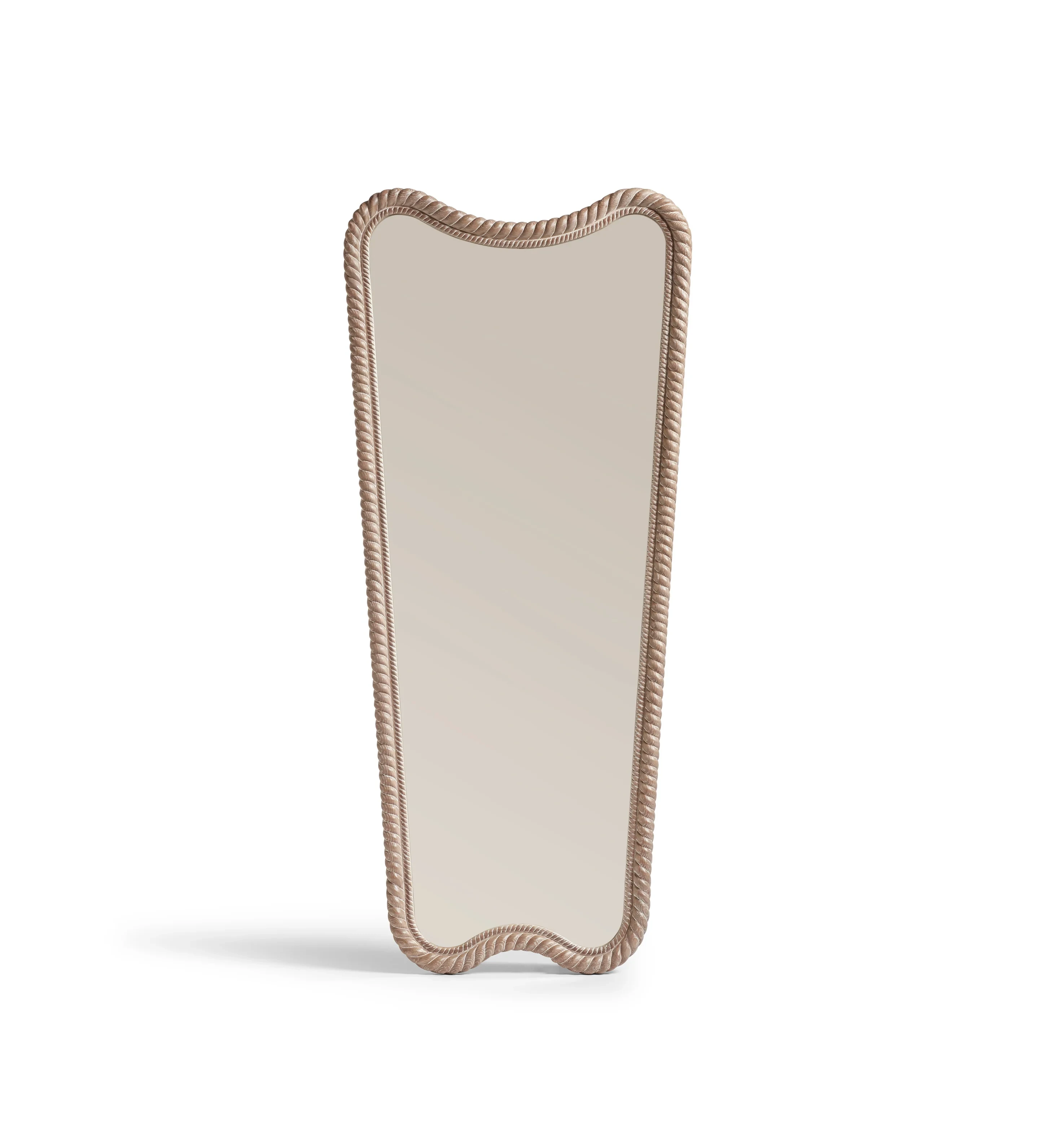
Ornate frames -- carved wood, moulded plaster, decorative metalwork -- suit rooms that need texture and character. They work best when the rest of the room is relatively restrained, letting the frame do the talking.
What Size Wall Mirror Do You Actually Need?
The right mirror size depends on where it is going and what it is doing. A decorative accent mirror can be 30-50cm across. A mirror above a sideboard or fireplace should be 60-100cm wide. A full-length mirror for dressing needs to be at least 120cm tall.
Location | Recommended Size | Purpose |
|---|---|---|
Above fireplace | 60-90cm wide | Focal point, light reflection |
Above sideboard/console | 50-80cm wide (max 2/3 of furniture width) | Visual anchor, room depth |
Hallway | 40-70cm wide, or full-length | Light, sense of space |
Bedroom | 120-170cm tall (floor or wall) | Dressing, room depth |
Bathroom | 50-70cm wide | Functional, light |
Living room statement wall | 80-120cm+ | Dramatic focal point |
Hanging Height
The centre of a wall mirror should sit at eye level -- roughly 150-160cm from the floor for most people. Above furniture, leave 15-20cm between the top of the piece and the bottom of the mirror. Hang too high and the mirror reflects the ceiling; hang too low and it looks cramped against the furniture.
For full-length mirrors, leaning against the wall at a slight angle is often more practical and forgiving than wall mounting. It also makes the room feel taller because the mirror tilts to reflect more of the ceiling and upper walls.
Which Mirror Materials Last Best?
Mirror frames take more wear than you might expect -- bumped by furniture, touched by hands, exposed to moisture in hallways and bathrooms. The material you choose affects how the mirror ages and how much maintenance it needs.
Material | Durability | Best For | Price Range (our collection) |
|---|---|---|---|
Brass / Antique Brass | Very high -- develops patina over time | Living rooms, hallways, above fireplaces | £130-£575 |
Iron / Black Metal | High -- industrial, low maintenance | Modern rooms, hallways, bathrooms | £200-£595 |
Mango Wood | High -- characterful grain, each piece unique | Living rooms, bedrooms, bohemian spaces | £400-£700 |
Oak / Walnut | Very high -- ages beautifully | Bedrooms, traditional living rooms | £325-£1,465 |
Rattan | Moderate -- suits dry rooms only | Bedrooms, living rooms, coastal style | £695+ |
Cast Aluminium | High -- lighter than brass, similar look | Any room where weight is a concern | £130-£575 |
Brass remains the most popular frame material in our collection, appearing in roughly 1 in 6 of our mirrors. It suits both contemporary and traditional interiors, and the antique brass finish that several retailers favour develops a richer tone over time rather than looking worn. Browse brass mirrors to see the full range. If you prefer something warmer and more textural, mango wood mirrors offer a characterful alternative -- no two pieces look quite the same due to the wood's natural grain variation.
Where to Place a Mirror for Maximum Impact
The single most important rule of mirror placement is this: position the mirror to reflect something worth seeing -- a window, a lamp, a piece of art, or a garden view. A mirror that reflects a blank wall or a cluttered corner does nothing for a room. In our collection, over 90 of our 99 mirrors are tagged as suitable for living rooms, and 81 work in bedrooms, so the placement options below apply to most pieces.
Living Room
Position a mirror opposite or adjacent to the largest window to bounce natural light deeper into the room. Above the fireplace remains the classic choice for a reason: it creates a natural focal point and makes the room feel taller. If you do not have a fireplace, a large mirror above a sideboard or console table anchors that wall in the same way.
Avoid placing mirrors directly opposite a sofa or seating area -- catching your own reflection while relaxing feels unsettling, even subconsciously.
Hallway and Entryway
Narrow hallways benefit most from mirrors because they create the illusion of width. A round or arched mirror near the front door gives you a last check on the way out and makes the space feel welcoming. In our collection, hallway mirrors from Nkuku and OKA range from compact 40cm pieces to full-length options that lean against the wall.
Bedroom
A full-length mirror is functional, but placement matters. Avoid positioning it where it reflects the bed directly -- feng shui aside, waking up to your own reflection is jarring. The best spot is on the wall beside the wardrobe or behind a door. For smaller bedrooms, a full-length leaner mirror adds the most depth without needing wall fixings.
Small Rooms
Mirrors are one of the most effective tools for making a small room feel larger, as we covered in our guide to making a small room look bigger. The principle is simple: a mirror placed to reflect the longest sight line in a room tricks the eye into perceiving more space. In a tight living room, a large mirror on the wall opposite the window effectively doubles the perceived depth.
How Much Should You Spend on a Wall Mirror?
Mirror pricing varies wildly, and the difference between a £50 mirror and a £500 mirror is not always obvious in photos. Here is what you are actually paying for at each price tier.
Price Tier | Range | What You Get |
|---|---|---|
Budget | Under £150 | Engineered frames, thinner glass, limited sizes. Fine for bathrooms and utility spaces. |
Mid-Range | £150-£400 | Solid metal or wood frames, bevelled or antiqued glass options, wider size range. The sweet spot for most living rooms and bedrooms. |
Premium | £400-£800 | Hand-cast metals, hand-carved wood, antiqued mirror glass, artisan finishes. Statement pieces that anchor a room. |
Luxury | £800+ | Solid hardwood (walnut, oak), marble detailing, floor-standing designs. Investment pieces built to last decades. |
In our current collection, the mid-range tier (£150-£400) offers the widest selection -- 29 mirrors across 5 retailers. This is where you will find the best balance of craftsmanship and value. Below £150, options are more limited to smaller accent mirrors. Above £400, you are paying for hand-finished details, premium materials, or substantial floor-standing designs.
Caring for Your Wall Mirror
A well-maintained mirror should last decades with minimal effort. The most common mistake is spraying cleaner directly onto the glass -- liquid seeps behind the edge, causing the black spots that ruin antique and modern mirrors alike. Here is how to care for both glass and frame.
Glass: Clean with a microfibre cloth and glass cleaner, or a 50/50 mix of white vinegar and water. Spray the cloth, not the mirror -- liquid running down the edge seeps behind the glass and causes black spots over time. This is especially important for antique or foxed glass, where moisture accelerates deterioration.
Brass and Metal Frames: Dust regularly with a dry cloth. Antique brass finishes are designed to patina and should not be polished with metal cleaners unless you want to strip the finish back to bright brass. For iron frames, check for chips in the coating and touch up with matching paint to prevent rust.
Wood Frames: Dust with a dry or slightly damp cloth. Avoid silicone-based polishes, which build up over time and dull the wood. Mango wood and oak frames benefit from a light application of beeswax once or twice a year. Keep wood-framed mirrors away from direct sunlight, which can bleach the frame unevenly.
Hanging Hardware: Check wall fixings annually, especially for heavy mirrors. A mirror weighing over 5kg needs proper wall plugs and screws, not picture hooks. Plasterboard walls require specialist fixings rated for the mirror's weight.
Browse Wall Mirrors on MeetFelix
MeetFelix brings together wall mirrors from boutique UK retailers including OKA, Nkuku, Loaf, Tikamoon, and Konk -- so you can compare shapes, materials, and prices side by side without visiting half a dozen websites. Browse all wall mirrors, explore round mirrors, or discover arched mirrors to find the right one for your room.
Frequently Asked Questions
What size mirror should I put above a fireplace?
A mirror above a fireplace should be 60-90cm wide and no more than two-thirds the width of the mantelpiece. Hanging it so the centre sits roughly 10-15cm above the mantel creates the most balanced proportions. Round mirrors between 60-80cm diameter are a popular choice because they complement the horizontal line of the mantel without competing with it.
Do round or rectangular mirrors make a room look bigger?
Both shapes can make a room look bigger, but they work differently. Rectangular mirrors are more effective at creating the illusion of extended space because they reflect more of the room in a continuous plane. Round mirrors are better at creating a sense of openness and light. For the strongest space-enhancing effect, position any mirror to reflect a window or the longest sight line in the room.
Where should you not put a mirror in a room?
Avoid placing mirrors directly opposite the front door (it bounces energy straight back out, and guests see themselves before they see you), opposite a cluttered area (it doubles the visual mess), or where it reflects harsh overhead lighting (it creates glare rather than warmth). In bedrooms, avoid positioning mirrors where they reflect the bed, which can feel unsettling.
How do you hang a heavy mirror safely?
Mirrors over 5kg need proper wall fixings, not picture hooks. For solid brick or block walls, use wall plugs rated for the mirror's weight. For plasterboard, use specialist plasterboard anchors -- toggle bolts or snap-toggle fixings rated for at least twice the mirror's weight. Always find the studs where possible. For very heavy mirrors (over 15kg), consider professional installation or lean the mirror against the wall instead.
What is the best frame material for a bathroom mirror?
Metal frames (brass, iron, stainless steel, or aluminium) resist moisture best and suit bathroom environments. Wood frames can work in well-ventilated bathrooms but may warp or discolour over time in steamy conditions. In our collection, cast aluminium mirrors from Nkuku offer the look of brass at a lighter weight, with good moisture resistance.
Are antique or foxed mirrors worth the extra cost?
Antique and foxed glass adds character and warmth that clear glass cannot match. The clouded, spotted effect softens reflections and gives the mirror a sense of history, even when the piece is new. It works particularly well in traditional and period-style rooms. The trade-off is that foxed glass is less functional as a dressing mirror -- if you need a clear reflection for getting ready, save the antiqued finish for decorative mirrors in living rooms and hallways.

