

Best Footstools UK: How to Choose the Right One for Your Living Room
A well-chosen footstool does more than rest your feet. It anchors a seating arrangement, adds texture to a room, and — if you pick the right one — hides blankets, remotes, and everything else that clutters your sofa. In our current collection, we list over 80 footstools, ottomans, and poufs from boutique UK retailers, starting from £126. This guide covers how to choose the right style, size, and material so your footstool earns its place in the room.
What Is the Difference Between a Footstool, an Ottoman, and a Pouffe?
The terms are used interchangeably, but they describe different things. A footstool is typically a low, padded seat designed primarily for resting your feet, usually with legs. An ottoman is broader and often includes internal storage — lift the top and you have a compartment for throws, magazines, or toys. A pouffe (also spelled pouf) is a soft, legless cushion that sits directly on the floor.
Here is a quick comparison:
Feature | Footstool | Ottoman | Pouffe |
|---|---|---|---|
Primary use | Foot rest, extra seat | Storage, seating, coffee table | Casual floor seating |
Legs | Usually yes | Sometimes | No |
Storage | Rarely | Usually | No |
Typical height | 35–45 cm | 40–50 cm | 30–40 cm |
Best for | Pairing with a sofa or armchair | Living rooms that need hidden storage | Bedrooms, reading nooks, kids' rooms |
Knowing the distinction helps you shop with purpose. If storage is the priority, search for ottomans. If you want something soft and informal, a pouffe works well. For a classic pairing with your sofa, a footstool is the right choice.
How to Choose the Right Size Footstool
Your footstool should sit 2–5 cm lower than your sofa seat for comfortable leg support. Too high and your knees angle awkwardly; too low and it offers little relief. Most UK sofas have a seat height between 40 and 47 cm, so aim for a footstool between 35 and 45 cm tall.
Width matters as much as height. A footstool that is narrower than half the width of your sofa can look lost in front of it. For a standard three-seater (around 200 cm wide), a rectangular footstool between 90 and 120 cm works well. For an armchair, a compact round or square footstool under 50 cm across is often enough.
Size guide by room
Room size | Recommended footstool size | Shape |
|---|---|---|
Small living room (under 15 sqm) | 40–60 cm wide | Round or cube |
Medium living room (15–25 sqm) | 60–100 cm wide | Rectangle or round |
Large living room (25+ sqm) | 100–140 cm wide | Large rectangle |
Bedroom | 40–60 cm wide | Round pouffe or cube |
Leave at least 40 cm between your footstool and the sofa so there is room to walk past. In a small living room, a pouffe you can tuck under a console table when not in use is a practical alternative to a fixed footstool.
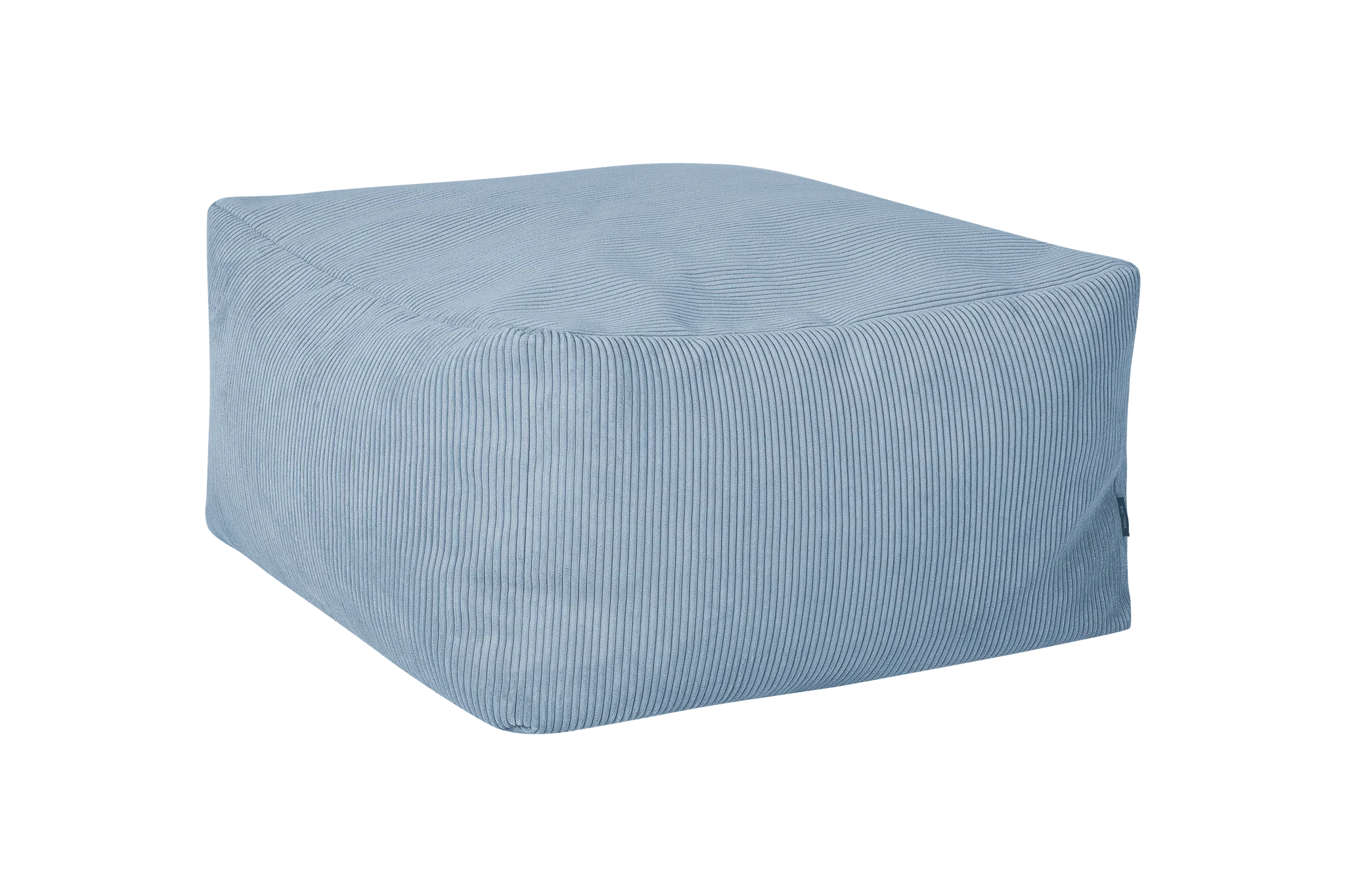
The noo.ma Keno Pouf at £126 is a good entry point — compact enough for a bedroom corner and available in corduroy with multiple colour options.
Which Materials Work Best for Footstools?
The material you choose affects how a footstool looks, feels, and wears over time. In our current catalogue, the most common upholstery materials across footstools are fabric, wool, linen, and foam-filled constructions. Here is how they compare.
Fabric and linen
Breathable, widely available, and easy to pair with existing furniture. Linen-look fabrics suit Scandinavian and contemporary rooms. They tend to crease, which adds to their relaxed character. Look for removable covers if you have children or pets.
Wool and bouclé
Textured, warm, and hardwearing. Wool footstools from brands like noo.ma bring a Scandinavian warmth to neutral rooms. Bouclé — the looped, nubby texture — has seen a significant rise in popularity and works particularly well on poufs and rounded footstools.
Velvet
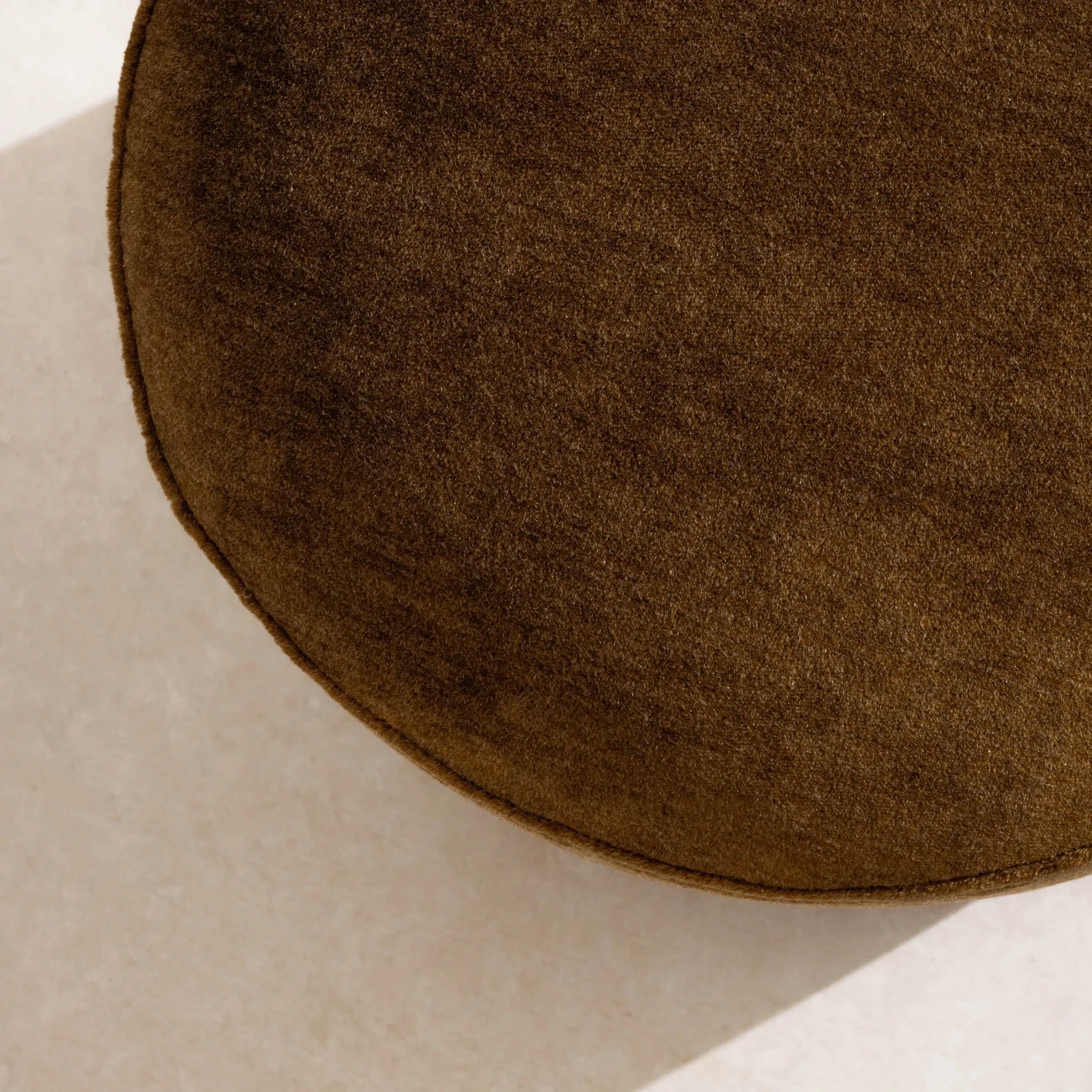
Gives a richer, more formal feel. Velvet footstools catch light and add depth, especially in darker colours like forest green or navy. The trade-off is that velvet shows marks more easily, so consider stain-resistant treatments.
Leather
The most durable option for high-traffic rooms. Leather footstools develop a patina over time. Search volume for "leather footstool UK" sits at around 210 searches per month — a sign of steady, year-round demand from buyers who value longevity. Leather pairs well with both mid-century modern and industrial interiors.
Sheepskin and mohair
Statement materials found on boutique footstools and poufs. Sheepskin is exceptionally soft but harder to clean. Mohair velvet — used on pieces like the Six The Residence Mohair Ottoman — has a lustrous quality that suits design-led spaces.
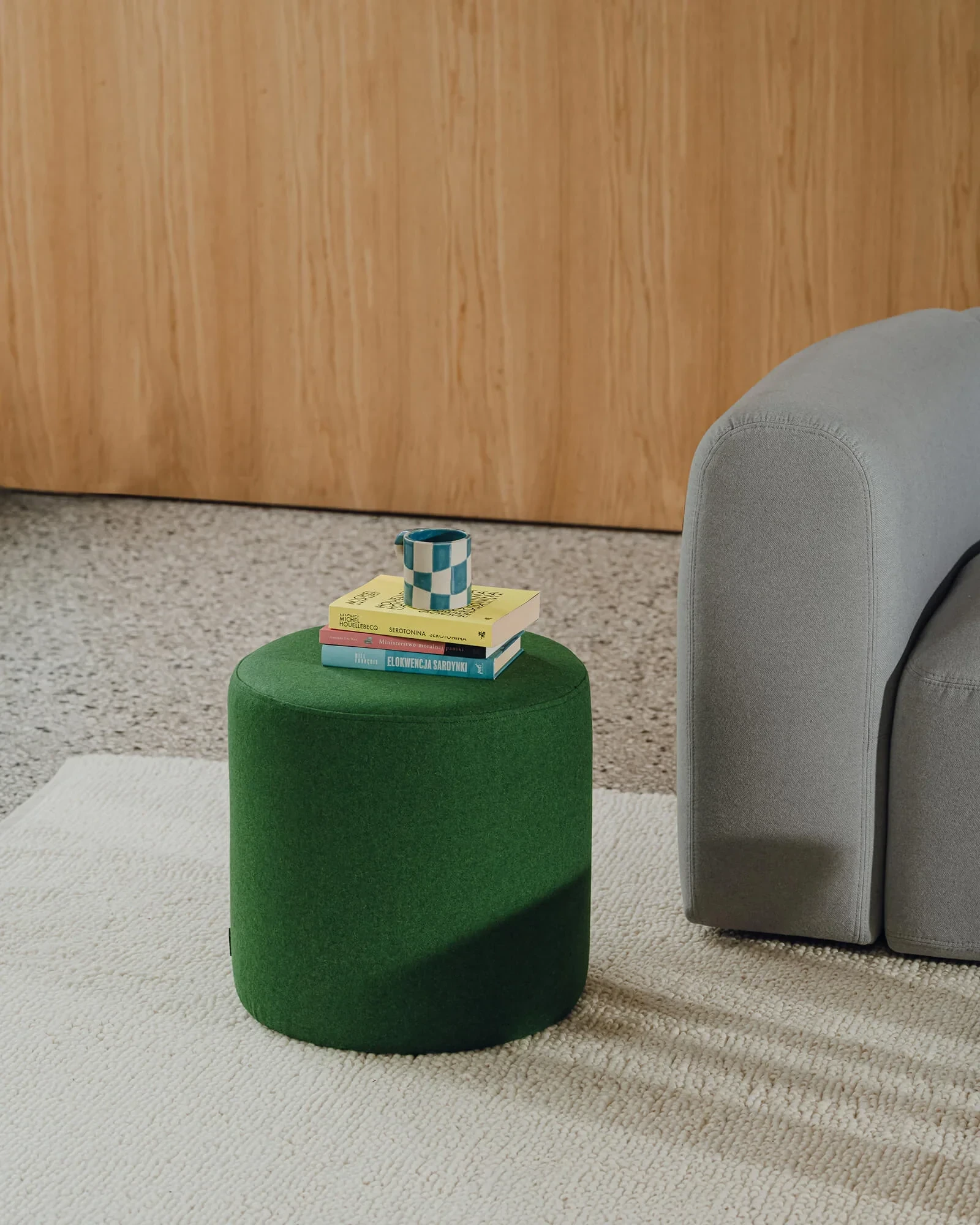
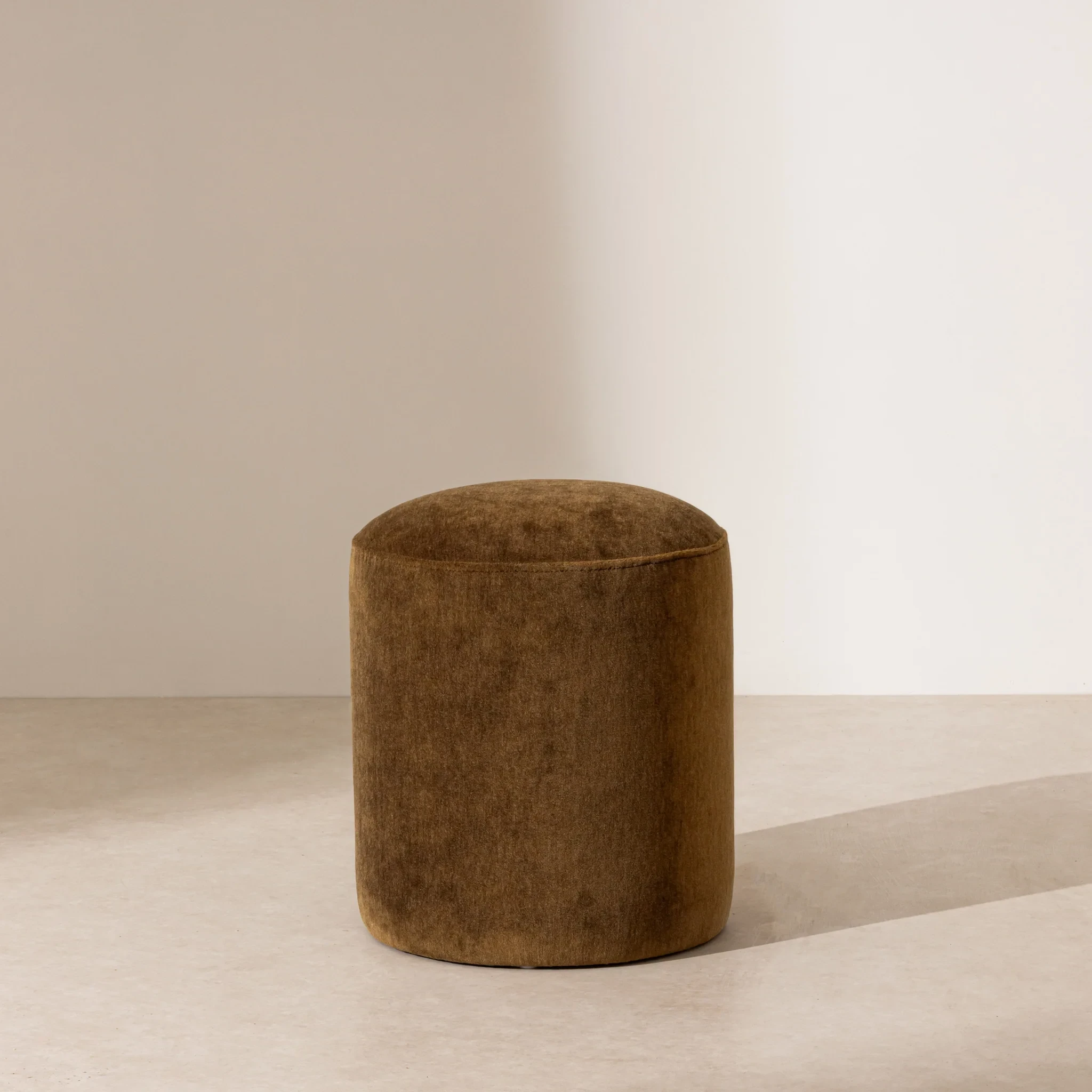
The Best Footstool Styles for Every Room
Across our collection, contemporary and modern styles account for roughly three-quarters of all footstools listed. Scandinavian designs make up the next largest group, followed by mid-century modern. Here is how to match the style to the room.
Living room
Pair your footstool with your sofa. A rectangular upholstered footstool in a complementary (not matching) fabric creates a considered look without being too coordinated. If your sofa is a solid neutral, use the footstool to introduce colour or texture.
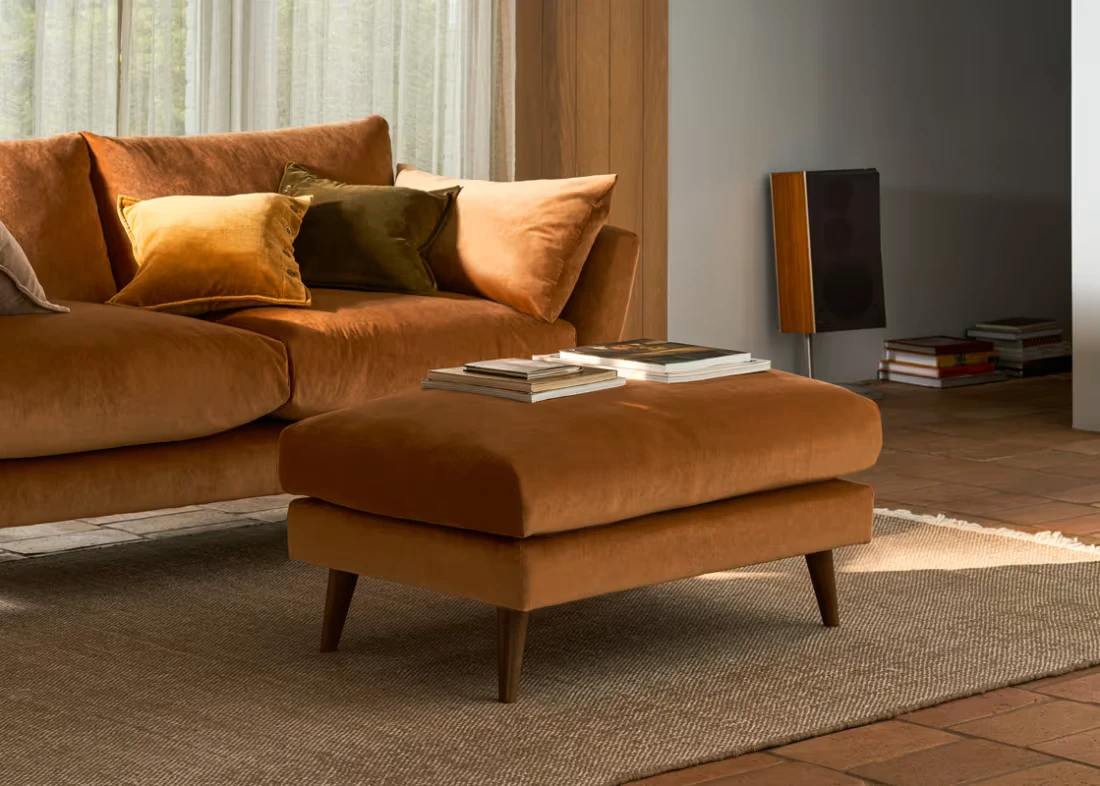
For living rooms with an open furniture layout, a large ottoman doubles as a coffee table — place a tray on top for drinks and books. This works particularly well in front of an L-shaped or modular sofa.
Bedroom
A bedroom footstool at the end of the bed adds a practical perch for getting dressed and a place to set out clothes for the next day. A storage ottoman here is especially useful — it keeps spare bedding, pillows, or seasonal throws out of sight without needing a separate blanket box.
Hallway
A compact footstool or pouffe in the hallway gives you somewhere to sit while putting on shoes. Choose something durable — leather or a tightly woven fabric handles the traffic better than delicate materials.
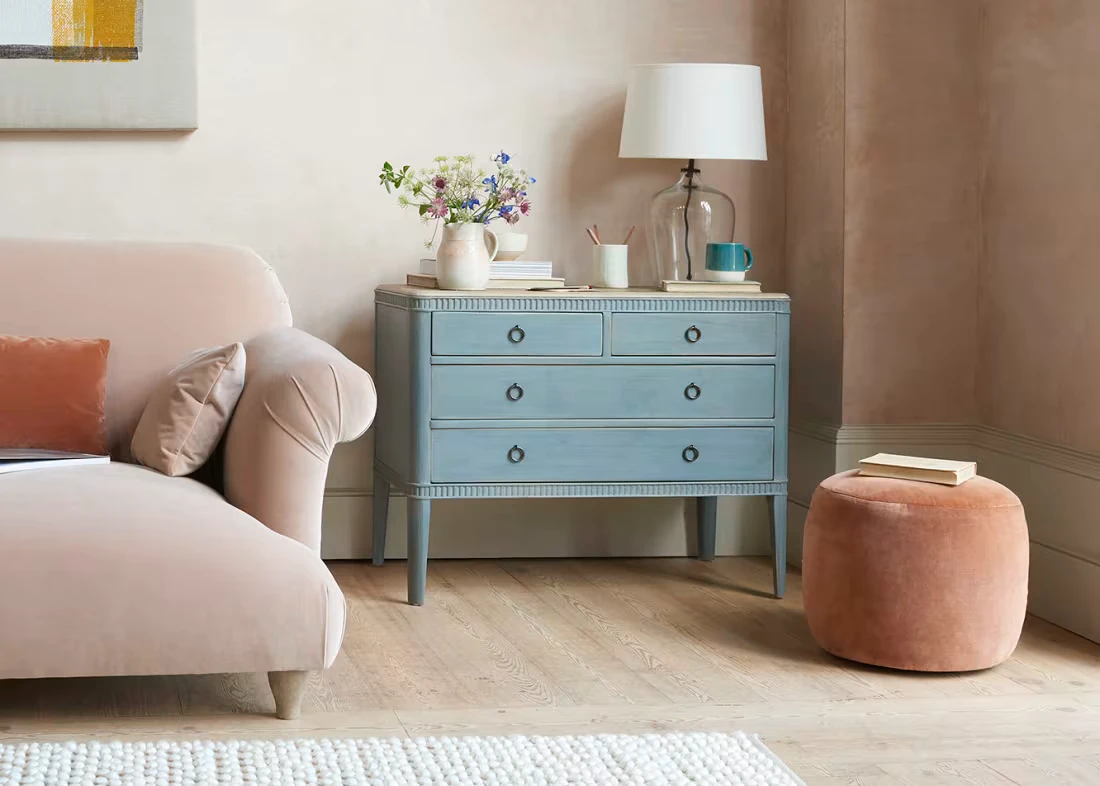
The Loaf Little Cheese Footstool at £195 brings a playful round shape and relaxed character — well-suited to living rooms that lean casual.
Storage Footstools: When to Choose One
"Footstool with storage" is one of the most searched footstool-related terms in the UK, reflecting a clear demand for furniture that does double duty. A storage ottoman solves two problems at once: it provides seating and hides visual clutter.
What fits inside?
The internal capacity varies widely. A compact cube ottoman (around 40 cm wide) holds remote controls, magazines, and a couple of throws. A larger rectangular ottoman (90–120 cm) can store a full set of spare bedding, children's toys, or board games.
What to look for
Hydraulic or soft-close hinges prevent the lid from slamming — important if children use it
Removable internal lining makes cleaning easier
Flat, sturdy top surface so it doubles as extra seating or a tray table
Weight — storage ottomans with solid wood frames are heavier but far more durable than those built on particleboard
If living room storage is a priority, a storage ottoman used alongside a sideboard gives you both display and hidden storage without adding extra furniture.
How Much Should You Spend on a Footstool?
At time of writing, the footstools in our collection range from £126 for a noo.ma corduroy pouffe to over £1,300 for a handcrafted tapestry pouffe from Six The Residence. Here is how the price breaks down.
Price range | What you get | Best for |
|---|---|---|
Under £200 | Poufs and compact stools in fabric, wool, or corduroy. Often minimalist Scandinavian designs. | Bedrooms, kids' rooms, first homes |
£200–£500 | Mid-range footstools with better upholstery, named designer shapes, and more colour options. Brands like Loaf sit in this range. | Living rooms, paired with sofas |
£500–£900 | Larger footstools, premium fabrics, and pieces from established designers. Expect solid hardwood frames and high-density foam. | Rooms where the footstool is a focal piece |
Over £900 | Artisan-made pieces in sheepskin, mohair, tapestry, or bespoke upholstery. Small-batch production from boutique makers. | Design-led interiors, statement pieces |
The sweet spot for most buyers sits between £200 and £500. This range gets you a well-made footstool from a reputable brand that should last a decade with normal use.
How to Style a Footstool in Your Room
A footstool that sits awkwardly in the room — too far from the sofa, too close to the door — undermines the whole arrangement. Here are some practical placement tips.
In front of the sofa: Centre the footstool in front of your main sofa, leaving a 30–40 cm gap. Angle it slightly (5–10 degrees off-centre) to avoid a showroom feel.
Beside an armchair: Position a small round footstool within easy reach of your favourite reading chair. This works well in a reading nook or bay window.
At the foot of the bed: Place a rectangular footstool or bench parallel to the bed frame, leaving enough clearance to open wardrobes or drawers.
As a coffee table: Use a large, flat-topped ottoman with a round tray for stability. This is a good option if you have young children and want to avoid hard corners.
Doubled up: Two identical poufs side by side can replace a single large footstool, and they separate easily when you need flexible seating for guests.
Browse Footstools on MeetFelix
MeetFelix brings together footstools, ottomans, and poufs from boutique UK retailers in one place — so you can compare styles, materials, and prices without visiting a dozen websites. Browse all footstools, explore ottomans, or discover poufs and pouffe seating.
Frequently Asked Questions
What height should a footstool be?
A footstool should sit 2–5 cm lower than your sofa seat height. For most UK sofas with a seat height of 40–47 cm, look for a footstool between 35 and 45 cm tall. This allows comfortable leg elevation without creating an awkward knee angle.
Can I use a footstool as a coffee table?
Yes — a large, flat-topped ottoman makes a practical coffee table alternative. Place a sturdy tray on top to create a stable surface for drinks and books. This works particularly well in homes with young children, as it removes hard corners from the room.
How do I clean a fabric footstool?
Vacuum the upholstery regularly with a soft brush attachment to prevent dust from settling into the weave. For spills, blot immediately with a clean cloth — never rub. Check the care label: most fabric footstools can be spot-cleaned with a mild detergent solution. If the cover is removable, follow the manufacturer's washing instructions.
Are storage ottomans worth it?
For living rooms and bedrooms that need hidden storage, a storage ottoman is one of the most practical pieces of furniture you can buy. It combines seating, a foot rest, and concealed storage in a single item — useful for blankets, toys, magazines, or spare bedding. Look for one with a soft-close hinge to prevent the lid from slamming.
What is the best material for a footstool?
It depends on how you use it. Fabric and linen are versatile and easy to restyle. Wool and bouclé add warmth and texture. Leather is the most durable choice for high-traffic rooms and develops character over time. Velvet suits more formal spaces but shows marks more readily. Choose based on your room's purpose and how much wear the footstool will receive.
How long do footstools last?
A well-made footstool with a solid hardwood frame and high-density foam should last 10–15 years with normal use. Cheaper options built on particleboard may lose their shape within 3–5 years. Investing in quality construction — especially the frame and foam density — pays for itself over time.
