

Best Hallway Runner Rugs UK: How to Choose the Right One for Your Space
A runner rug does more than cover bare flooring. It absorbs sound, protects high-traffic surfaces, and gives a narrow space its own character. In our current collection, we compared over 230 runner rugs from UK retailers, priced from £25 to £495, in wool, recycled polyester, jute, hemp, coir, and polypropylene. This guide covers the materials that hold up in busy hallways, the sizes that actually work in UK homes, and the styles worth investing in.
Which Material Is Best for a Hallway Runner?
Wool is the most hard-wearing and forgiving material for a hallway runner. It resists dirt naturally, bounces back from foot traffic, and feels warm underfoot year-round. In our current catalogue, wool runners start from around £90 for a pure wool option and reach £495 for hand-finished designs from OKA.
Here is how the main runner rug materials compare:
Material | Durability | Feel Underfoot | Stain Resistance | Washable? | Price Range |
|---|---|---|---|---|---|
Wool | Excellent | Warm, resilient | Naturally high | Spot clean | £90–£495 |
Jute | Good | Textured, firm | Low (absorbs spills) | No | £125–£180 |
Hemp | Very good | Firm, natural | Moderate | Spot clean | £130–£180 |
Recycled polyester | Good | Smooth, flat | High | Machine washable | £44–£195 |
Polypropylene | Good | Firm, practical | High | Wipe clean | £49–£65 |
Coir | Moderate | Coarse, rustic | Low | Shake/vacuum | £25–£30 |
For busy family hallways with children, pets, or muddy boots, recycled polyester or polypropylene runners offer the best resilience. They clean easily and resist staining -- important when your hallway is the first surface people step onto.
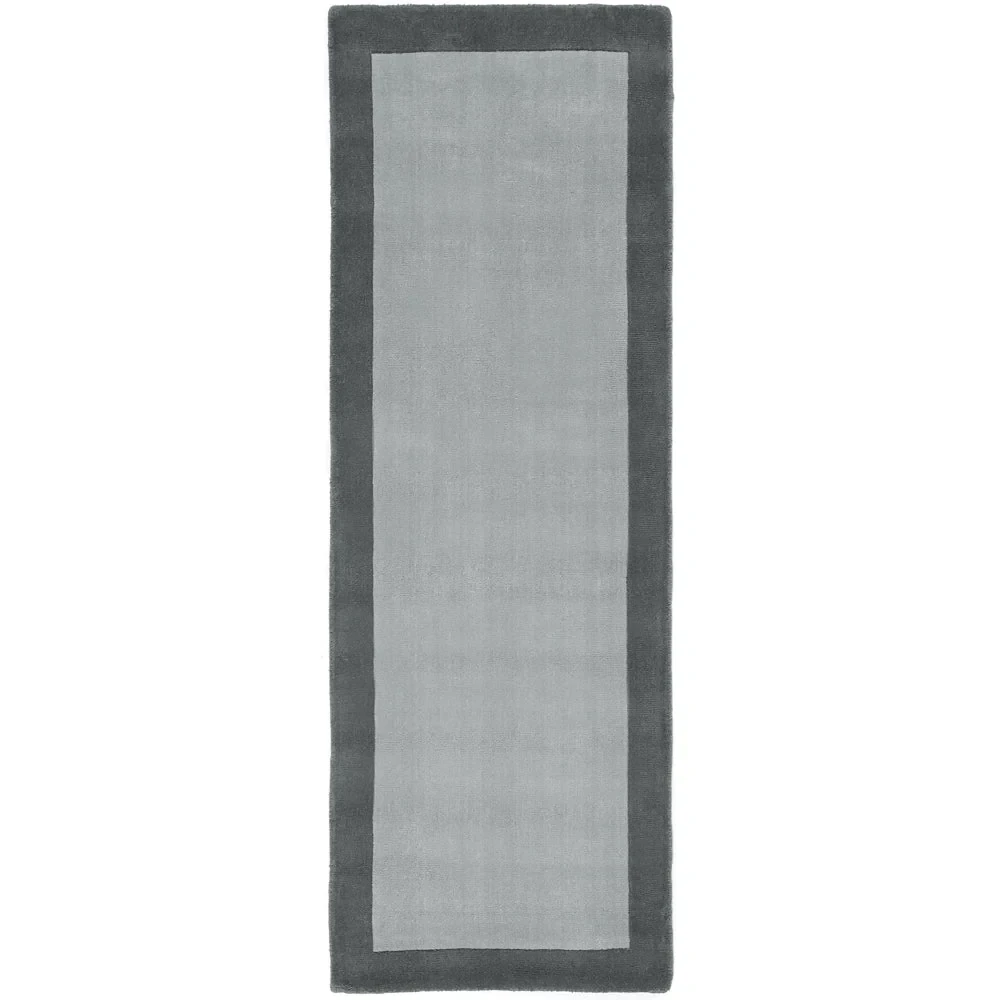
For a premium feel, wool is worth the investment. Its natural lanolin repels dirt and liquid long enough to blot spills before they set. The Hug Rug Borders Wool Runner in duck egg, grey, or taupe is a well-priced entry point at £90.
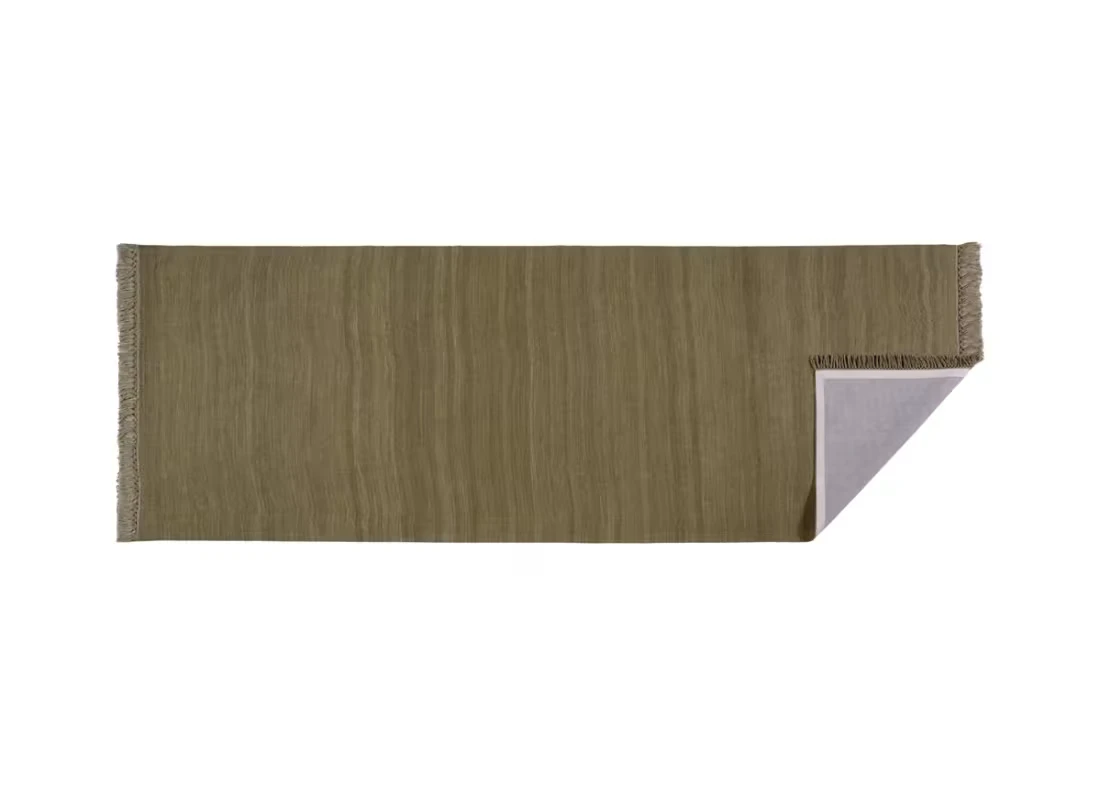
For a natural, textured look, jute and hemp runners bring coastal warmth to narrow spaces. Loaf's jute runners (from £125) and Nkuku's hemp and jute-cotton blends (from £130) have a handcrafted quality that synthetic materials cannot replicate. Be aware that jute absorbs moisture -- not ideal for front doorways exposed to rain. If you are also looking for a living room rug, the material considerations differ slightly for larger areas.
What Size Runner Rug Do You Need?
A hallway runner should leave 10-15cm of exposed flooring on each side. This border prevents the edges from curling under foot traffic and gives the space a finished, intentional look.
Here are common UK hallway dimensions and the runner sizes that work:
Hallway Width | Hallway Length | Recommended Runner Size |
|---|---|---|
90cm (narrow) | 2m | 60 x 180cm |
90cm (narrow) | 3m | 60 x 240cm |
120cm (standard) | 2.5m | 80 x 240cm |
120cm (standard) | 3m+ | 80 x 300cm |
150cm+ (wide) | 3m+ | 90 x 300cm |
Most runner rugs in our collection come in 60cm or 80cm widths and 180cm to 300cm lengths. The 80x240cm size is the most common -- it fits a standard UK hallway without overwhelming the space.
Measure before you buy. UK hallways vary enormously, especially in Victorian terraced houses (often 90-100cm wide) versus modern builds (120cm+). Measure the full length of the area you want to cover, then subtract 30-50cm so the runner does not butt up against doorways or skirting boards. For more detail on rug sizing across different rooms, see our complete rug size guide.
For L-shaped or extra-long hallways, two shorter runners placed end-to-end often look more deliberate than one runner that does not quite reach. Leave a 5-10cm gap between them.
Best Runner Rugs for Hallways: Our Picks by Budget
Runner rugs in our current collection range from £25 for a coir entrance mat to £495 for a hand-finished wool-cotton blend from OKA. The best value sits in the £50-150 bracket, where you can find pure wool, jute, and quality recycled materials from boutique UK retailers. Here is what to expect at each price point.
Under £50: Practical and Hardwearing
At this price, you are looking at polypropylene or coir runners. They will not feel as refined as wool, but they handle daily life without fuss.
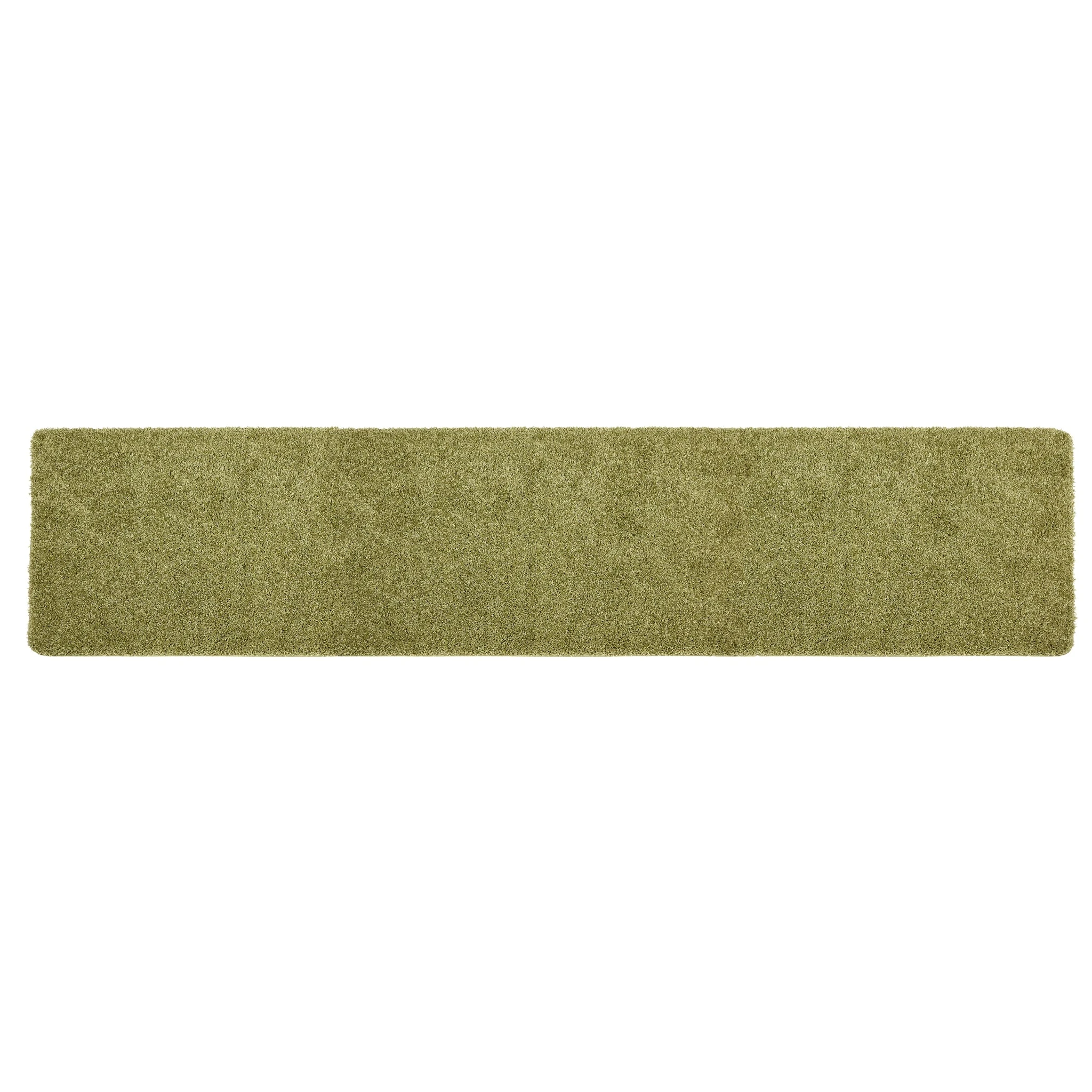
The Hug Rug My Rug runners (from £49) come in 12 colours including olive green, forest green, teal, denim blue, and nude pink. They are made from polypropylene with a rubber backing that prevents slipping on hard floors -- a genuine safety consideration in a high-traffic hallway.
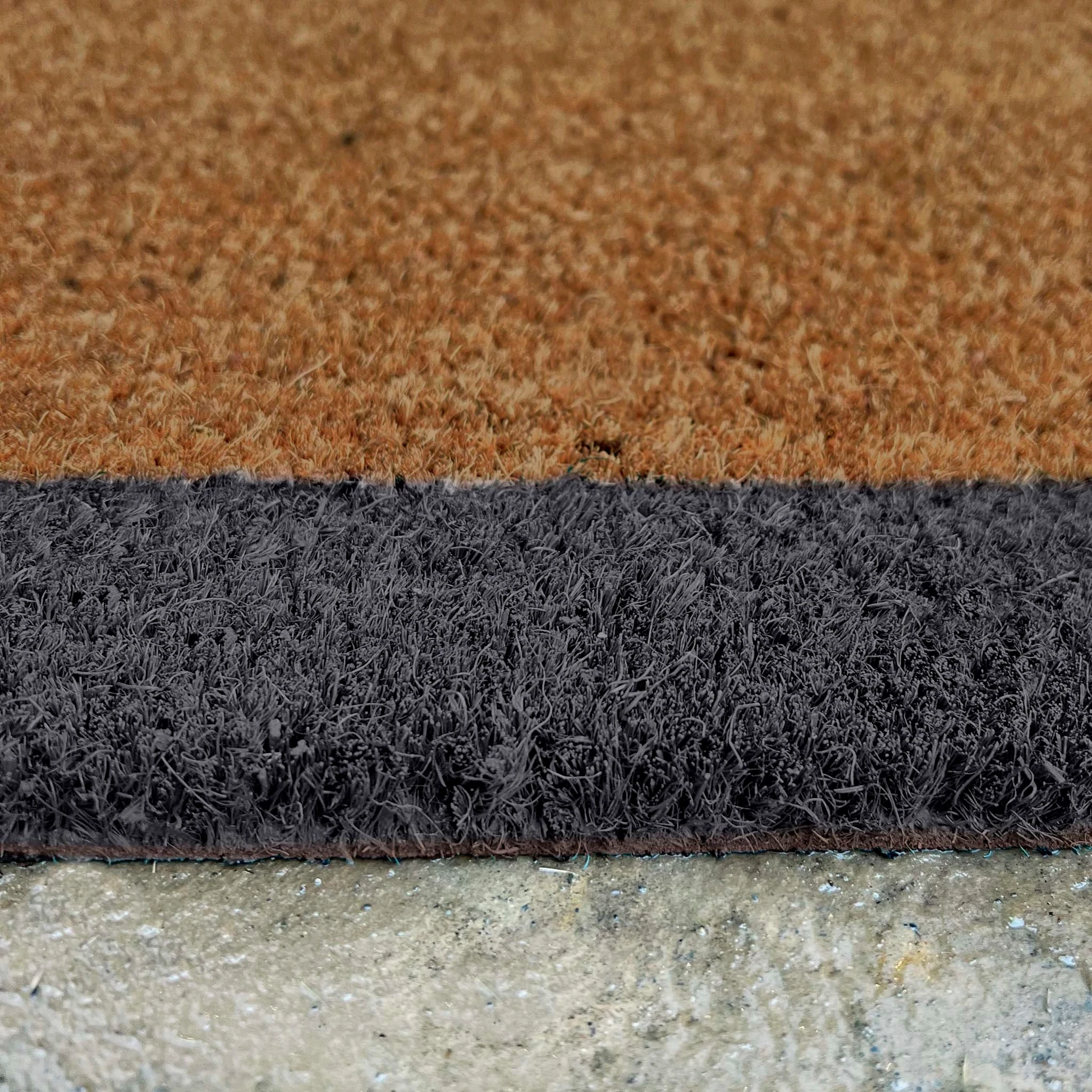
For a rustic entrance, the Hug Rug Printed Coir Border Runner at £25 is the most affordable option in our collection. Coir is tough enough for a boot room or back entrance, though it feels coarse underfoot and sheds fibres in the first few weeks.
£50–£150: The Sweet Spot
This range opens up wool, jute, and recycled materials. In our current collection, around 60% of runner rugs fall in this bracket.
The Hug Rug Borders Wool Runner (£90) is a standout at this price. Available in mauve, grey, taupe, and duck egg, it is made from 100% pure wool with a clean border design that suits both period and modern hallways. Wool at this price point is rare from UK retailers.
For a more relaxed, natural look, Loaf's Weavy Wool Runner in olive (£110) and Zigzaggy Jute Runner in dark natural (£125) bring handmade character to a hallway. Loaf's jute runners have a chunkier weave than mass-market alternatives, which gives them a more considered feel.
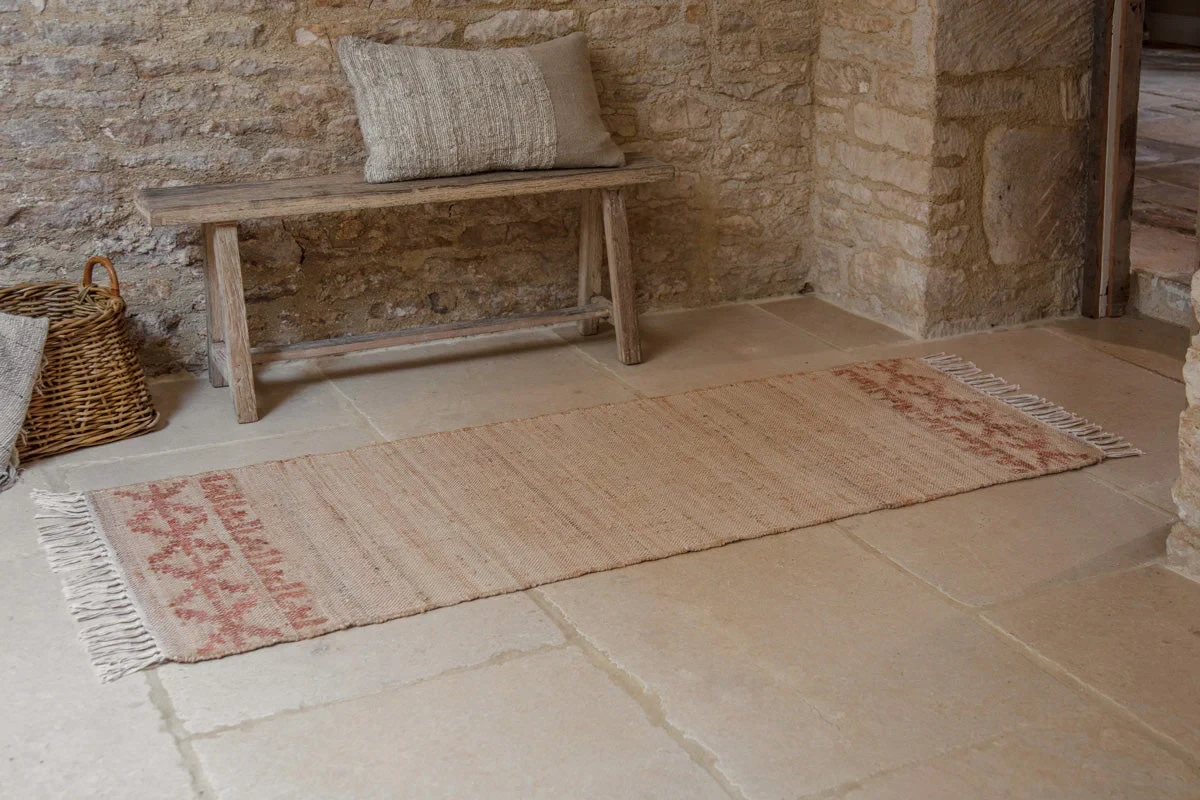
Nkuku's Akari Jute & Cotton Runner (£130) blends jute with cotton for a softer hand-feel than pure jute, with subtle rust-coloured stripes that add warmth without overpowering a small space.
£150–£500: Investment Pieces
At the top end, expect hand-knotted construction, premium wool blends, and design-led patterns.
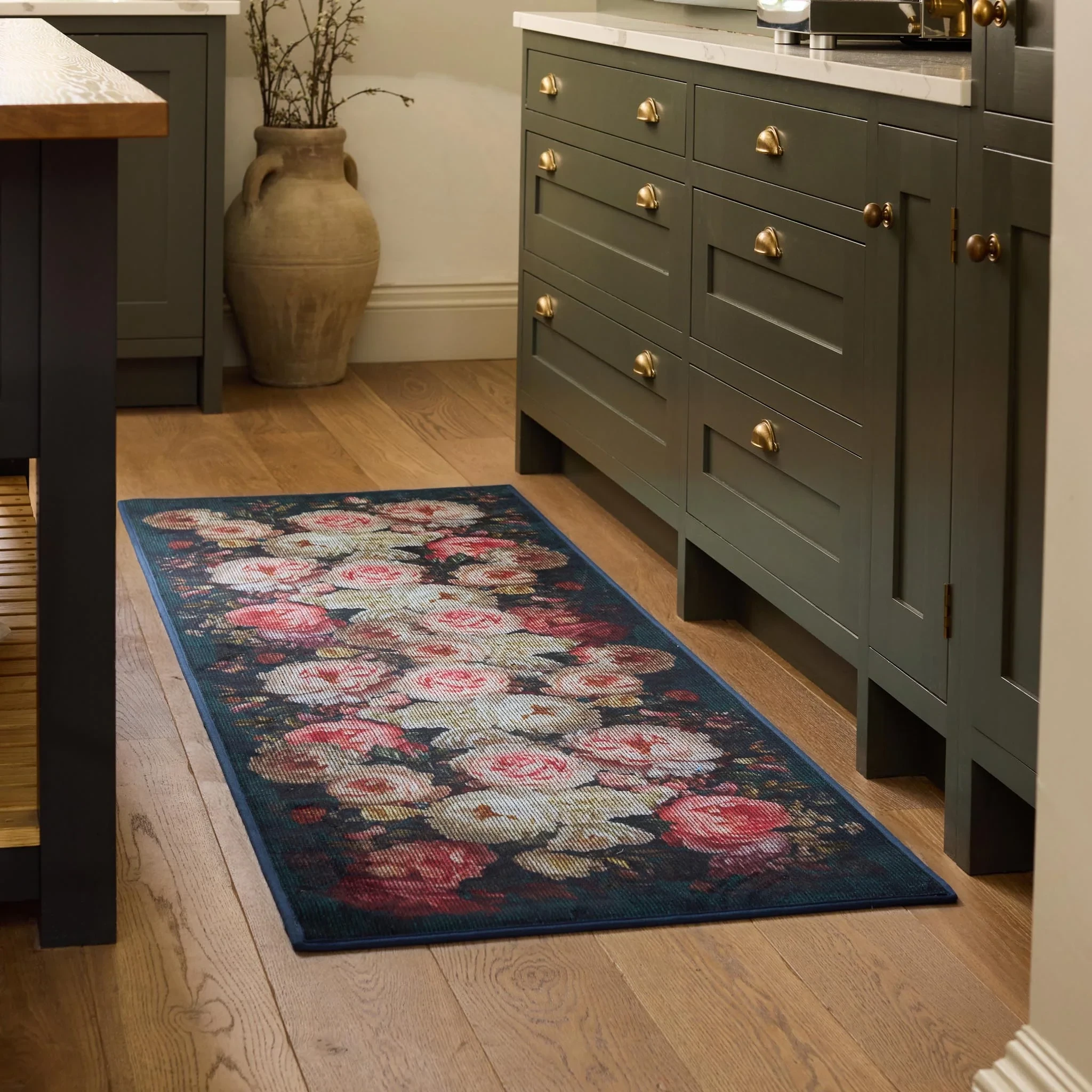
The Hug Rug Eco-Washable runners (£195) use recycled polyester with a natural rubber backing. Despite the premium price, their key selling point is practicality: they are fully machine washable, which is genuinely useful in a hallway that takes the brunt of outdoor dirt. The Twilight Garden and Magnolia Garden patterns bring a botanical element that lifts a plain corridor.
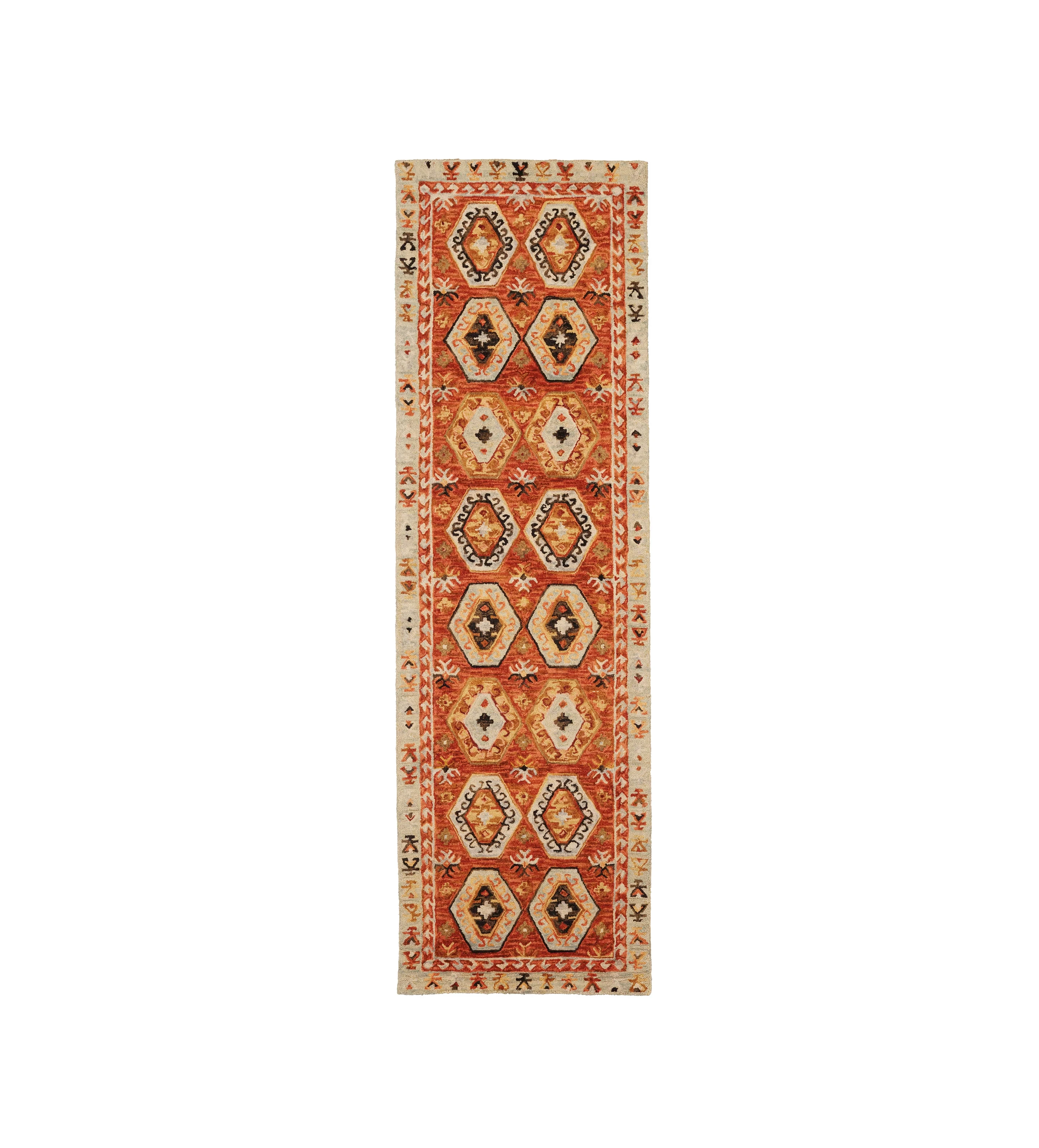
For a statement piece, the OKA Alanya Runner (£495) is a hand-finished wool-cotton blend in a traditional multi-colour design at 90x300cm -- one of the largest runner sizes available. It is the kind of piece that makes a hallway feel like a room in its own right, not just a space you pass through.
Should You Choose a Washable Runner Rug?
For a hallway, a washable runner rug is one of the most practical choices you can make. Hallways collect more dirt per square metre than any other room. Shoes, pushchairs, wet umbrellas, and pet paws all concentrate on the same narrow strip of flooring.
In our current collection, over 50 runner rugs are made from recycled materials that can be machine washed or wiped clean. Most of these use recycled polyester or polypropylene with rubber or latex backing.
When a washable runner makes sense:
You have pets that track in mud
Your front door opens directly onto the hallway (no porch)
You have young children
Your hallway has light-coloured flooring that shows dirt
When to skip washable:
You prefer the look and feel of natural fibres like wool or jute
Your hallway is sheltered (porch or vestibule)
You prioritise longevity over convenience -- wool outlasts most synthetics
The trade-off is texture. Washable runners tend to feel thinner and flatter than wool or jute. If you want both warmth and washability, the Hug Rug Eco-Washable range (£195) is the closest compromise, with a deeper pile than most washable options.
How to Style a Runner Rug in Different Spaces
A runner rug works in any narrow space that needs grounding -- not just hallways. Kitchens, bedrooms, and staircases all benefit from the warmth and texture a runner provides. The key is matching the material to the room's demands: washable synthetics for kitchens, soft wool for bedrooms, and flat-weave naturals for stairs.
Hallways
The classic use. Choose a colour that either contrasts with or complements your front door. In a dark hallway, a lighter runner (natural jute, cream wool, duck egg) reflects light and opens the space. In a bright hallway, a deeper colour (olive, charcoal, navy) adds grounding warmth.
Place the runner so it starts around 30cm from your front door -- this gives you a landing zone for shoes and keeps the runner's leading edge clean. A console table positioned partway along the runner helps anchor the composition and gives you somewhere to drop keys.
Kitchens
A runner in front of the sink or along a galley kitchen protects flooring from splashes and gives your feet cushioning during long cooking sessions. Choose washable materials only -- recycled polyester or polypropylene. Avoid jute and wool in kitchens, as they absorb grease and moisture.
Bedrooms
A runner along the side of the bed gives you something soft to step onto each morning. Wool or cotton runners work well here since the traffic is light and comfort matters most.
Staircases
If your staircase is uncarpeted, a stair runner adds grip and reduces noise. This requires specific stair runner rods and professional fitting. Most flat-weave runners can be adapted, but check with the retailer before buying.
How to Keep a Runner Rug in Place
The single most effective way to stop a runner rug sliding on hard floors is to choose one with a built-in rubber or latex backing. If your preferred runner does not have this, a cut-to-size anti-slip gripper pad underneath is the next best option. Here is a full breakdown of solutions:
Rubber-backed runners solve the problem at source. Many of the Hug Rug runners in our collection come with built-in rubber or latex backing.
Rug grippers or anti-slip pads work under any runner. Cut-to-size gripper mesh (available from most homeware shops for under £10) sits between the runner and the floor without damaging the surface.
Double-sided carpet tape is a last resort. It holds firmly but can leave residue on wooden or stone floors when removed.
If your runner sits on carpet rather than hard flooring, a rug-on-carpet gripper pad prevents bunching. This is common in upstairs landings where the hallway is carpeted but you want a decorative runner on top.
Frequently Asked Questions
What is the best material for a hallway runner rug?
Wool is the most durable and naturally stain-resistant material for a hallway runner. It repels dirt, retains its shape under heavy foot traffic, and feels warm underfoot. For a lower-maintenance option, recycled polyester runners are machine washable and resist stains well. In our current collection, wool runners start from £90 and recycled polyester from £44.
What size runner rug do I need for my hallway?
Leave 10-15cm of exposed flooring on each side of the runner. For a standard UK hallway (120cm wide, 2.5-3m long), an 80x240cm runner is the most common fit. Measure your hallway before buying and subtract 30-50cm from the total length so the runner does not crowd doorways.
Are washable runner rugs any good?
Washable runners made from recycled polyester are a practical choice for busy hallways with pets or children. They clean up easily and resist staining. The trade-off is that they tend to feel thinner underfoot than wool or jute. In our current collection, we list over 50 washable runner rugs from UK retailers, priced from £44 to £195.
How do I stop a runner rug from sliding on wooden floors?
The most reliable method is choosing a runner with a rubber or latex backing. If your preferred runner does not have this, place a cut-to-size anti-slip gripper pad underneath. Avoid double-sided tape on wooden floors as it can damage the finish when removed.
Can I use a runner rug in the kitchen?
Yes, a runner in front of the sink or along a galley kitchen protects flooring and adds cushioning. Choose washable, moisture-resistant materials like recycled polyester or polypropylene. Avoid natural fibres like jute and wool in kitchens, as they absorb grease and moisture.
How much should I spend on a hallway runner?
Budget runners from £25-50 in polypropylene or coir handle daily life well but feel basic underfoot. The £50-150 range offers the best value, opening up wool, jute, and quality recycled materials. Above £150, expect hand-finished designs, premium wool blends, and larger sizes. In our collection, the average runner price sits around £90.
---
MeetFelix brings together the best boutique furniture, lighting, and decor from across the UK. [Browse runner rugs](/search?q=runner+rug), [explore hallway furniture](/search?q=hallway+furniture), or [discover all rugs](/search?q=rugs) to find pieces that work for your space.


